Long-Lasting Tulip Care
Long-Lasting Tulip CarePosted by Arvind Singh on 06-03-2026

On Trend
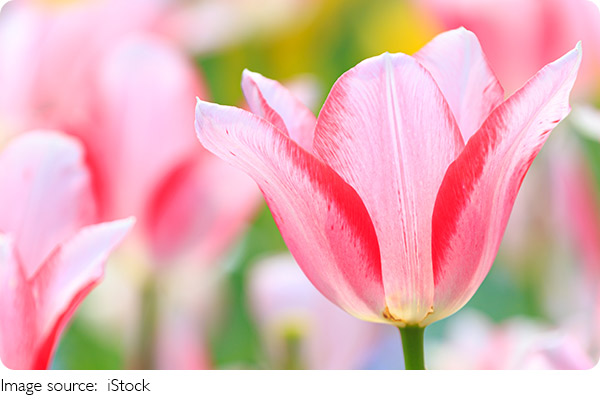
Walking through a garden filled with blooming tulips, it's hard not to pause and admire the colors and subtle fragrance.
But keeping these vibrant flowers healthy and extending their bloom isn't accidental—success depends on careful, consistent care.
Understanding the right soil conditions, watering, and sunlight requirements is key to enjoying tulips at their best throughout the season.
Soil and Planting Environment
1. Choose well-draining, loose soil
Tulips thrive in sandy loam with good drainage. Heavy clay soil can trap water, causing bulbs to rot. Before planting, mix garden soil with a small amount of sand to improve aeration while retaining nutrients.
2. Maintain proper planting depth
Plant bulbs at a depth roughly twice the height of the bulb. Too shallow, and they risk being dislodged; too deep, and growth and flowering may be inhibited. Firm the soil gently around the bulb to eliminate air pockets.
3. Avoid windy or waterlogged areas
Select a sunny, sheltered spot in your garden. Low-lying, water-prone areas should be avoided to prevent bulb rot and shortened bloom periods.
Watering and Fertilization
1. Control watering frequency
Tulips need moderate moisture. Keep soil slightly damp but never waterlogged. During early growth, watering once a week is usually sufficient to encourage healthy roots without risking rot.
2. Fertilize to encourage flower buds
Mix organic compost or well-rotted manure into the soil before planting to provide slow-release nutrients. During growth, use a low-nitrogen, high-phosphorus-potassium fertilizer to encourage strong flower development and vibrant colors.
3. Time fertilization carefully
Avoid applying fertilizer during extreme heat. Fertilize in the morning or late afternoon to reduce leaf burn, and a light feed one to two weeks before flowering can extend bloom duration and improve flower fullness.
Sunlight and Temperature
1. Provide adequate sunlight
Tulips need at least four to six hours of direct sunlight daily. Insufficient light can cause tall, weak stems and smaller, paler flowers. In indoor or greenhouse settings, supplement with a grow light if necessary.
2. Maintain ideal temperatures
Tulips are cold-tolerant but sensitive to prolonged high heat. Optimal growth occurs between 15°C and 20°C (59°F–68°F). Excessive warmth can shorten the flowering period, so shade during hot days and keep the soil evenly moist.
3. Avoid sudden temperature changes
Large temperature swings can cause premature petal drop or leaf damage. During late spring, ensure protection from frost or strong winds to allow tulips to complete their bloom cycle.

Regular Monitoring and Pest Control
1. Inspect leaves and bulbs
Check for yellowing leaves, spots, or bulb rot. Remove affected plants immediately to prevent disease from spreading.
2. Prune spent flowers
After blooming, remove wilted flowers to prevent energy loss, but leave the leaves intact to continue photosynthesis, replenishing nutrients in the bulb for next season.
3. Prevent common pests
Aphids, slugs, and nematodes can damage tulips. Control them with natural deterrents, mulch, or targeted insecticides when necessary to protect plant health.
Caring for tulips is more than tending flowers—it's a daily practice of observation, patience, and interaction with nature. Every fully opened bloom rewards careful attention, creating a colorful, fragrant landscape that connects you to the rhythms of the season. With the right care, your tulips can provide weeks of vibrant, breathtaking displays, making each spring a celebration of beauty and growth.
Popular
Color Harmony
Learn how complementary and monochromatic palettes shape beautiful bouquets.
Floral Table Centerpiece
Simple flower arrangements that turn everyday meals into warm gatherings.
Choosing the Perfect Vase
How shape and material transform your floral arrangements.
Long-Lasting Tulip Care
Essential tips from soil to sunlight for healthy, vibrant tulips