Flower Colors Change Mood
Flower Colors Change MoodPosted by Mukesh Kumar on 06-03-2026
On Trend
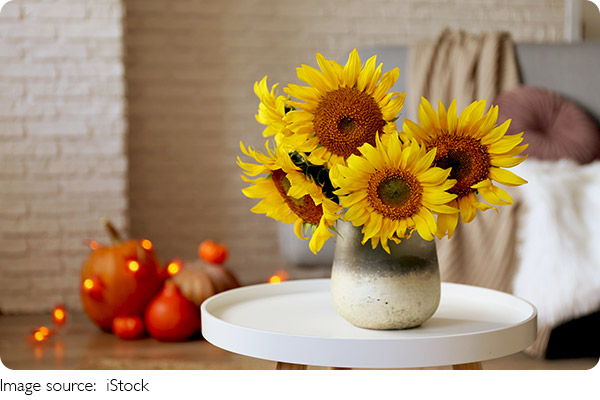
A single bouquet can change the way a room feels before anyone says a word.
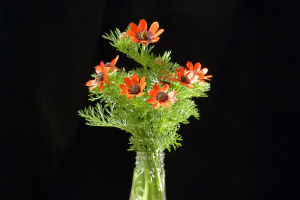
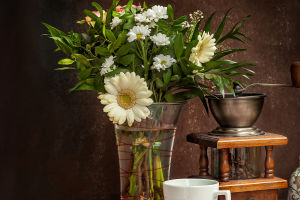
Walk into a space with pale white blossoms in a simple glass vase, and the air seems lighter. Step into another room filled with bold orange and crimson petals, and the energy immediately shifts.
Flowers do more than decorate; they influence perception, emotion, and even behavior in subtle but measurable ways.
Color and Emotional Tone
1. Soft and Pale Hues
Light-colored flowers such as ivory roses, pale pink tulips, or lavender blooms tend to create a calming atmosphere. Studies in environmental psychology consistently show that softer hues reduce visual stimulation and help lower perceived stress. In clinical settings, for example, waiting rooms often incorporate muted tones for this reason. When translated into home decor, a bouquet of cream tulips on a bedside table can make a bedroom feel more restful. The absence of intense contrast allows the eye to settle, encouraging relaxation.
2. Bright and Saturated Colors
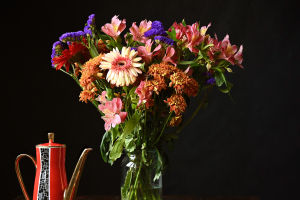
Vivid flowers—sunflowers with golden petals or gerbera daisies in bold red—introduce visual excitement. Bright tones stimulate attention and can increase alertness. This is why restaurants and creative studios frequently use strong accent colors to energize their spaces. A dining table centerpiece in rich orange or fuchsia naturally draws conversation and engagement. The effect is not accidental; highly saturated colors reflect more light and command focus, making the room feel active and lively.
3. Cool vs. Warm Balance
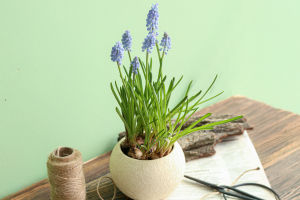
Blue and purple flowers lean toward a cooler emotional register, often associated with calm concentration. They work well in study rooms or offices where focus matters. Warm shades such as yellow and coral, on the other hand, bring a sense of comfort and sociability. A balanced arrangement combining both can stabilize a multifunctional space, preventing it from feeling either too subdued or overly stimulating.
Shape, Structure, and Perception
1. Rounded Blossoms
Flowers with full, rounded shapes—hydrangeas—create a sense of abundance and softness. Their layered petals diffuse light gently, reducing harsh shadows. This rounded geometry often makes a space feel welcoming and intimate. Placed in living rooms, they subtly signal comfort and ease.
2. Linear and Structured Forms
In contrast, flowers with strong vertical lines—such as lilies or snapdragons—introduce structure and direction. Their elongated stems guide the eye upward, adding height to low ceilings or compact rooms. Designers frequently use vertical arrangements in entryways to create a sense of openness. The psychological effect is clarity and order rather than coziness.
3. Minimal vs. Lush Arrangements
A single stem in a narrow vase conveys simplicity and restraint. It leaves visual breathing space and suggests intentional design. Meanwhile, a dense bouquet overflowing with mixed textures conveys generosity and vibrancy. The difference lies not in quantity alone but in perceived complexity. Sparse arrangements encourage quiet reflection; layered ones invite attention and interaction.
The Subtle Influence of Seasonality
1. Spring Renewal
Seasonal flowers carry associations built from years of cultural memory. Spring blossoms—like cherry or magnolia—symbolize renewal because they appear after winter dormancy. Introducing them indoors can subtly reinforce optimism and fresh beginnings.
2. Summer Abundance
Large, colorful blooms in summer echo longer daylight hours and outdoor activity. Their presence often enhances feelings of openness and movement within a room.
3. Autumn and Winter Restraint
In cooler months, deeper shades and textured foliage create warmth and grounding. Even dried arrangements with muted tones can provide continuity when fresh blooms are scarce, offering stability rather than vibrancy.
The psychological impact of floral decor lies in these quiet signals: color temperature, shape geometry, density, and seasonal context. None of them announce themselves loudly, yet together they shape how a space is experienced. The next time you place a bouquet on a table, consider not only what looks beautiful, but what emotional tone you are setting. A room responds to flowers much like people do—with subtle shifts in mood that linger long after the petals are arranged.
Popular
Color Harmony
Learn how complementary and monochromatic palettes shape beautiful bouquets.
Floral Table Centerpiece
Simple flower arrangements that turn everyday meals into warm gatherings.
Choosing the Perfect Vase
How shape and material transform your floral arrangements.
Long-Lasting Tulip Care
Essential tips from soil to sunlight for healthy, vibrant tulips