A Red Garden Jewel
A Red Garden JewelPosted by Chris Isidore on 06-03-2026
Green Plant
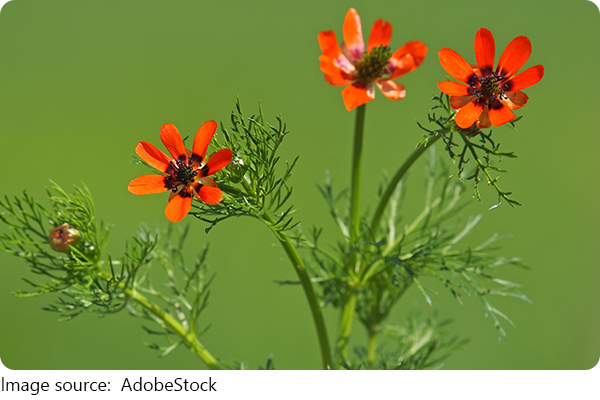
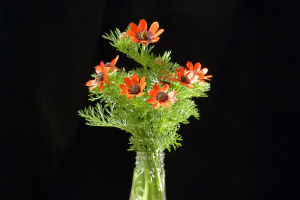
In many gardens, a small red flower sometimes appears that looks like a bright spark among green leaves. This striking plant is Adonis aestivalis, often called summer Adonis. It is a charming annual species from the buttercup family and typically grows between 20 and 50 centimeters tall.
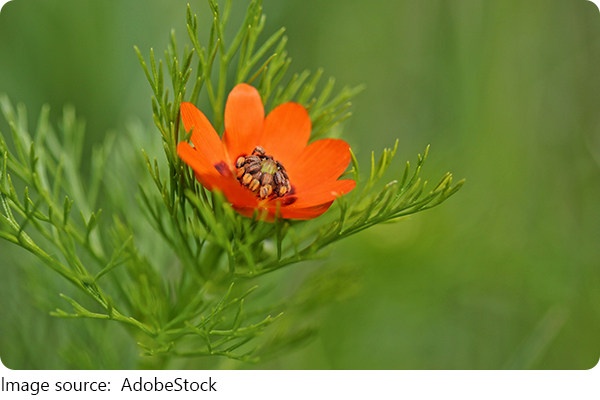
Summer Adonis usually begins flowering in June, and in warmer climates the blooming period may continue into July. The petals are bright red and often feature a dark center, creating a strong visual contrast that stands out clearly in a garden. Because of this vivid color combination, many gardeners enjoy using it as a focal plant in flower beds or decorative landscape arrangements.
The plant forms a compact clump with upright stems that are not overly crowded, giving it a light and elegant appearance. Its leaves are finely divided and bright green, adding soft texture around the flowers. The root grows straight downward into the soil, which means the plant does not respond well to transplanting. For this reason, selecting a suitable planting location from the beginning is very important.
Understanding the Plant’s Key Features
To grow summer Adonis successfully, we first need to understand its natural characteristics. The plant prefers bright sunlight and open spaces. At least six hours of direct light each day helps it grow strong stems and produce healthy flowers.
Another important feature is its taproot system. The main root grows straight downward, which helps the plant reach deeper moisture in the soil. This structure also explains why moving mature plants can be difficult. Once the roots settle, it is better to let the plant grow in place rather than relocating it.
The leaves are thin and finely divided, creating a soft, feathery appearance. When the red flowers bloom above the green foliage, the contrast makes the plant stand out beautifully in any garden setting.
Simple and Practical Seed Starting Tips
If we want strong plants, careful seed preparation can make a big difference. Before sowing, soaking the seeds in warm water for several hours can improve germination rates. This simple step helps soften the seed coat and allows moisture to enter more easily.
Another helpful method is cold treatment. After soaking, the seeds can be mixed with slightly damp sand and placed in a refrigerator at about 4°C for around three days. This process stimulates the seeds and encourages more even sprouting later.
The best sowing period is from March to May. Seeds can be planted directly in the garden using spot sowing or row sowing. Spacing is important—about 20 centimeters between plants works well. This distance gives each plant enough room to grow while still creating a full and colorful display.
Daily Care for Healthy Growth
Once the seedlings appear, regular care will help them thrive. The soil should stay slightly moist but never overly wet. Good drainage is important because standing water around the roots can harm the plant.
Sunlight remains essential throughout the growing season. Placing the plants in a bright location ensures strong stems and vibrant flowers. If grown in containers, moving the pots to sunny areas during the day can improve growth.
Nutrients also support healthy development. A base fertilizer can be added before planting to enrich the soil. Later, during the bud stage, adding fertilizers rich in phosphorus and potassium encourages more abundant blooming and stronger plants.
Creative Garden Design Ideas
Summer Adonis is a versatile plant in garden design. Because of its compact size and bright color, it works well in many landscape styles. For example, it can be planted in rock gardens where the red blooms contrast beautifully with stones and gravel.
It also looks wonderful along flower borders. When combined with low ornamental grasses or plants like sedum, the mix creates layers of texture and color. The result is a lively garden scene that changes with the light and seasons.
Container planting is another popular choice. A small group of these flowers in pots can decorate balconies, patios, or outdoor seating areas. Their glowing red petals make even small spaces feel bright and welcoming.
Ecological Benefits in the Garden
Beyond its visual beauty, summer Adonis also plays an important ecological role. The flowers produce nectar that attracts pollinating insects. These visitors help support healthy garden ecosystems by transferring pollen between plants.
Another advantage is the plant’s strong tolerance for dry conditions. Thanks to its deep root system, it can adapt well to areas where rainfall is limited. Because of this resilience, the plant is often used in landscaping projects in dry or sandy regions.
By adding summer Adonis to our gardens, we not only create colorful scenery but also support small pollinators that keep many plants thriving.
Key Elements for a Successful Landscape
When designing a planting layout, choosing compatible plants is essential. Combining species with similar sunlight and soil needs helps maintain long-term stability in the garden. Balanced plant selection also creates a more natural and harmonious visual effect.
The growing environment should include sandy or sandy-loam soil, plenty of sunlight, and proper drainage. Avoid planting in the same spot repeatedly year after year, as rotating planting areas can help maintain soil quality.
Some varieties of the buttercup family contain naturally strong compounds, so basic care and thoughtful placement help ensure that the garden remains both beautiful and safe.
Bring Bright Color Into Your Garden
Lykkers, growing summer Adonis can be a rewarding experience. With its flame-like red flowers, simple care needs, and ability to thrive in sunny gardens, it is a wonderful plant for beginners and experienced gardeners alike.
By preparing seeds carefully, providing sunlight and well-drained soil, and designing thoughtful plant combinations, we can easily create a vibrant garden scene.
So why not try planting a few this season? We may soon enjoy a garden filled with glowing red blooms that bring energy, color, and life to every corner.
Popular
Color Harmony
Learn how complementary and monochromatic palettes shape beautiful bouquets.
Floral Table Centerpiece
Simple flower arrangements that turn everyday meals into warm gatherings.
Choosing the Perfect Vase
How shape and material transform your floral arrangements.
Long-Lasting Tulip Care
Essential tips from soil to sunlight for healthy, vibrant tulips