Daisies Secret Life Revealed
Daisies Secret Life RevealedPosted by Santosh Jha on 06-03-2026
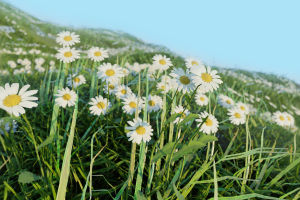
On Trend
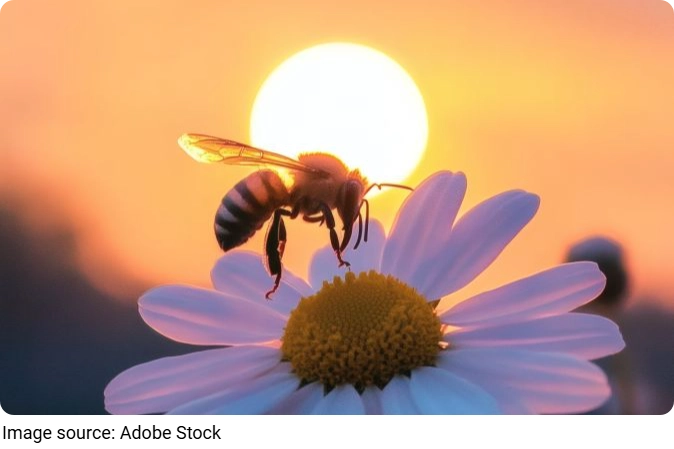
One sunny afternoon in a wildflower meadow, I noticed a gentle hum around a cluster of daisies.
One sunny afternoon in a wildflower meadow, I noticed a gentle hum around a cluster of daisies. Bees landed delicately on petals, butterflies fluttered from flower to flower, and tiny beetles crawled along the stems.
Watching this natural choreography, I realized that these simple white and yellow flowers are more than pretty—they are a vital hub in a complex web of life.
How Daisies Attract Pollinators
1. Visual appeal and color signals
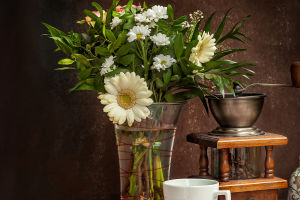
Daisies display bright white petals surrounding a golden yellow center, which provides a strong visual contrast that is easily detected by bees and butterflies. The yellow disc acts as a landing guide, directing pollinators to nectar and pollen. Studies have shown that pollinators preferentially visit flowers with vivid color contrast, making daisies particularly effective at attracting them.
2. Scent and nectar rewards
While daisies are not heavily fragrant, they produce small amounts of nectar that serve as an energy-rich reward for insects. Bees, butterflies, and hoverflies can sense nectar through specialized receptors, guiding them to flowers and encouraging repeated visits. These rewards incentivize pollinators to transfer pollen between flowers, supporting reproduction.
3. Accessibility and structure
The flat, open design of a daisy's flower head allows pollinators of varying sizes to land easily. Unlike tubular flowers that require specialized anatomy, daisies can accommodate bees, butterflies, beetles, and even small flies. This inclusivity increases the range of pollinators that contribute to cross-pollination.
The Role of Pollinators in Ecosystem Health
1. Maintaining plant diversity
Pollinators visiting daisies often move on to other wildflowers, transferring pollen and helping multiple species reproduce. This process maintains floral diversity, ensuring a variety of plants in meadows, fields, and gardens. Without such interactions, ecosystems could see a decline in plant species richness.
2. Supporting food webs
By attracting pollinators, daisies indirectly feed higher-level species. Birds, small mammals, and predatory insects rely on the abundance of pollinators as a food source. This creates a ripple effect where a single daisy can contribute to sustaining multiple layers of the food web.
3. Enhancing habitat quality
Clusters of daisies provide resting and feeding spots for pollinators, creating microhabitats within larger ecosystems. These patches increase habitat complexity, which encourages biodiversity by supporting a wider range of organisms.
Human Benefits and Conservation
1. Gardening for pollinators
Planting daisies in home gardens, parks, and urban green spaces provides essential resources for pollinators, especially in areas where natural habitats have been reduced. Even small flower beds can attract bees and butterflies, promoting ecological balance.
2. Educational opportunities
Observing the interactions between daisies and pollinators offers a hands-on lesson in ecology. Children and adults alike can witness pollination in action, fostering awareness and appreciation for environmental stewardship.
3. Linking aesthetics with ecology
Daisies are visually appealing while also serving a functional ecological role. By valuing both beauty and biodiversity, gardeners and conservationists can create spaces that delight the senses and support ecosystem health.
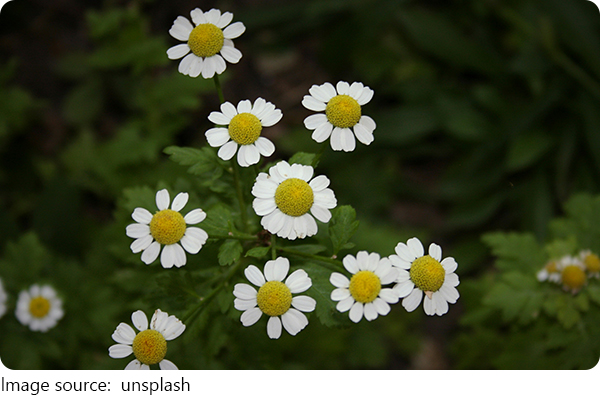
Watching daisies and their pollinators in action reveals the subtle interconnectedness of nature. A single flower can influence the survival of countless insects, maintain plant diversity, and support broader ecological networks. These interactions remind us that even the simplest organisms have profound effects on the environment.
Next time you pass a meadow or garden filled with daisies, pause to observe the tiny creatures dancing among the petals. Those buzzing and fluttering visitors are not only enjoying nectar—they are sustaining life in a delicate, beautifully orchestrated cycle that benefits the entire ecosystem.
Popular
Color Harmony
Learn how complementary and monochromatic palettes shape beautiful bouquets.
Floral Table Centerpiece
Simple flower arrangements that turn everyday meals into warm gatherings.
Choosing the Perfect Vase
How shape and material transform your floral arrangements.
Long-Lasting Tulip Care
Essential tips from soil to sunlight for healthy, vibrant tulips