Where Streams Begin
Where Streams BeginPosted by Amit Sharma on 06-03-2026
On Trend
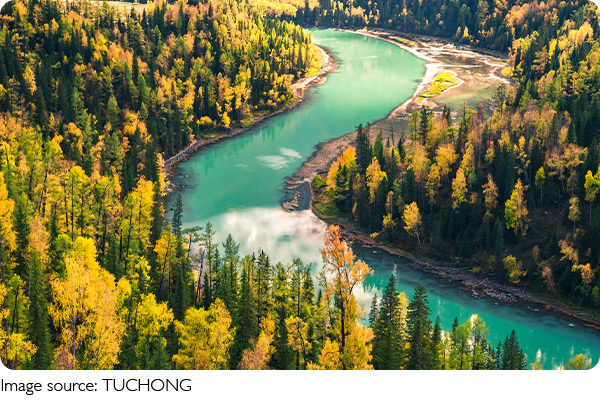
Walking along a winding riverbank, have you ever wondered how that clear stream begins its journey from mountain peaks to the sea?
From a single raindrop sliding down a slope to a wide river flowing toward the ocean, every river has its own life story shaped by geography and time.
Rivers not only sculpt the land but also support ecosystems and human activity, making their formation both scientifically fascinating and naturally beautiful.
Gathering at the Source: The Power of Tiny Drops
1. Rainfall and Groundwater Supply
Rivers often begin with rainfall and groundwater. Rain, snowmelt, or glacial meltwater collects in low areas, forming tiny streams and springs. Though these small sources seem insignificant, as they merge, they form the first flowing channels of a river.
2. Landscape Guides the Flow
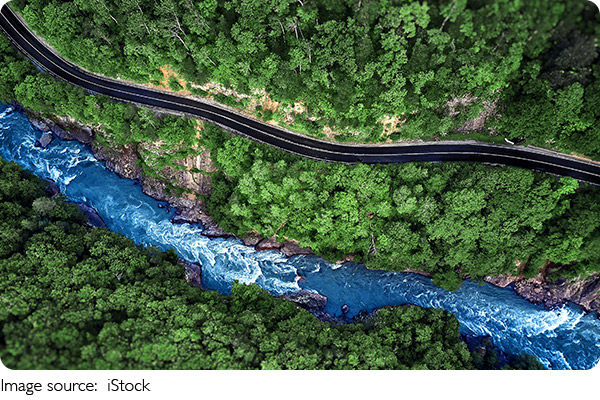
The slope of the land and distribution of rocks determine the water's path. Steep slopes accelerate flow, creating rapids and waterfalls, while gentle terrain slows the water, nourishing wetlands and plains. Even subtle changes in topography give each river a unique winding course.
3. Streams Merge into a Main Channel
As small streams and tributaries converge, they form a main river channel. Once flow stabilizes, the river begins to carve its bed and transport sediment, shaping valleys and riverbanks.
Shaping the Channel: Erosion and Deposition
1. Erosion by Water
Flowing water exerts a strong erosive force on riverbeds and banks. Rocks are worn down, cliffs carved, and valleys deepened. Over time, the river continually “sculpts” the terrain, creating meanders and diverse channel shapes.
2. Transporting Sediment and Deposition
Rivers not only erode but also carry sediment. Rocks, sand, and silt from upstream settle downstream, forming sandbanks, river terraces, or deltas. These deposits create fertile land that supports vegetation and human agriculture.
3. Self-Adjusting Channels
Rivers are never static. Obstacles or changes in slope can cause the river to shift course or bend. Seasonal floods may carve new channels, while droughts expose riverbeds. Through erosion, transport, and deposition, rivers continuously reshape their surroundings.
River Mouths and the Sea: Life Continues
1. Flowing into Lakes or Oceans
Eventually, rivers discharge into lakes or oceans. River mouths often form deltas, estuaries, or bays where water slows and sediments accumulate, creating rich habitats.
2. Ecology and Human Dependence
River mouths are typically biologically diverse, supporting birds, fish, and wetland plants. Humans also rely on these areas for ports, fishing communities, and agriculture, linking river life to human activity.
3. The Cycle of Nature
From rainfall to the ocean, river formation reflects the principles of the Earth's water cycle. It reminds us that the beauty of landscapes comes from the long-term interaction of time, geology, and flowing water.
The birth of a river is a masterpiece of natural patience. Each journey downstream is not just a visual delight but also a lesson in Earth's power and rhythm. Next time you stand by a river, take a moment to follow the flow in your mind—from mountain source to distant sea—and appreciate the patient, magnificent work of nature.
Popular
Monument Valley Scenic Drive
A breathtaking desert road through towering red rock formations
Beautiful Waterfalls
Ten breathtaking waterfalls where nature shows its most powerful beauty
Terraces Against Erosion
How layered hillside farming protects soil and sustains mountain landscapes
Exploring Antelope Canyon
Discover the twisting sandstone corridors that glow with sunlight