Antelope Canyon Wonders
Antelope Canyon WondersPosted by Raghu Yadav on 06-03-2026
On Trend
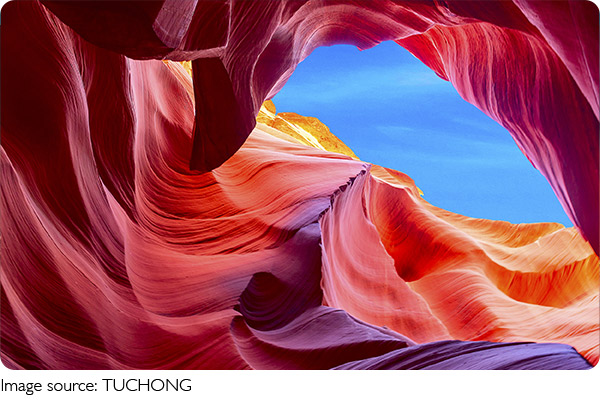
You step off the tour shuttle, and the bright desert sun gives way almost immediately to a cool, narrow corridor of sculpted rock.
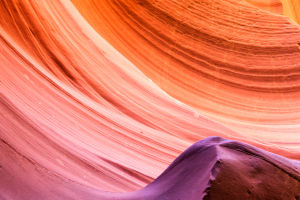
Warm hues shift from soft pink to deep amber as sunlight plays along the sinuous walls.
Antelope Canyon doesn't just appear like a destination—it feels like discovering a hidden world shaped by time, water, and patience. This slot canyon, carved by millennia of wind and flash floods, draws photographers and nature lovers from across the globe for precisely this reason: the light and rock formations together create some of the most unique natural art on Earth.
Antelope Canyon is located near the town of Page, Arizona, and sits within the Navajo Nation. You cannot visit it independently; access is only possible through guided tours with certified Navajo guides. This ensures both safety and a respectful experience in this sacred landscape.
Antelope Canyon
Upper Antelope Canyon: Lights and Curves
Signature light beams
Upper Antelope Canyon is the most popular section because of the famous light shafts that pierce down through narrow openings near noon. The best time to see these bright, vertical beams is generally between late March and early October, especially around midday when the sun is highest.
Gentle terrain and ease of access
Unlike its counterpart, Upper Canyon lies at ground level with minimal elevation change, making it accessible to visitors of many ability levels. The canyon is relatively flat, and most tours last about 1.5 to 2 hours, including transport and guiding time.
Cost and booking tips
Tour prices for Upper Antelope Canyon can vary seasonally, often ranging around USD 85–115 per person (excluding the Navajo Nation permit fee of about USD 8). Due to its popularity, especially in peak light beam months, reservations often sell out weeks or months in advance, so booking online ahead of time is strongly recommended.
Lower Antelope Canyon: Adventure in Depth
Deeper and more rugged
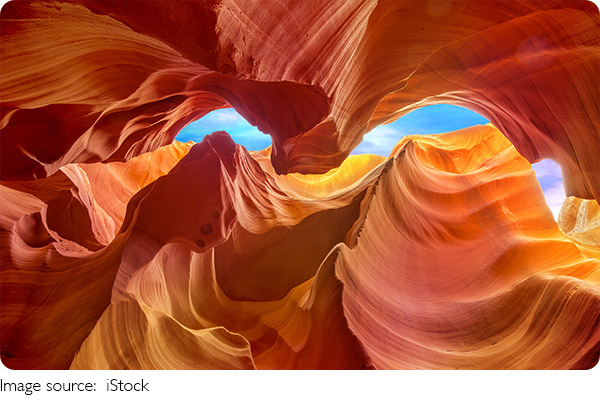
Lower Antelope Canyon is narrower and involves descending a series of stairs and ladders to enter deeper into the slot. The experience is slightly more physical but offers dramatic curves and color shifts that change as you walk through it.
Best light and quieter experience
Though it doesn't produce the same midday light beams as the upper section, Lower Canyon's contrasts and textures are especially vibrant in the morning light between 9:30 and 10:00 a.m. This section typically has fewer crowds and can feel more intimate for photos and exploration.
Tour timing and fees
Guided tours of Lower Canyon usually run at multiple times throughout the morning and early afternoon, and prices are generally lower than Upper Canyon tours, often starting around USD 55 for guided entry (plus the Navajo permit).
Planning Your Visit
Tour operations and schedules
Tours for both Upper and Lower Antelope Canyon typically operate from early morning through late afternoon, roughly 7 a.m. to 5 p.m., with most groups departing from Page or nearby meeting points. Each tour usually lasts at least 90 minutes with guiding included, so allocate enough time if you plan to visit multiple parts in one day.
Transportation
The most common way to reach Antelope Canyon is by car. Page, Arizona is the primary access point, and from Las Vegas it's about a 4½ hour drive north. If flying, the closest major airports are in Las Vegas, after which you'll either rent a car or join a guided tour that includes transportation.
Where to stay
Page offers the most convenient lodging options for visiting Antelope Canyon. Hotels like the Best Western View of Lake Powell Hotel or Courtyard by Marriott Page at Lake Powell provide comfort, breakfast options, and easy access to the tour meeting points. Prices typically range from around USD 130 to USD 250 per night depending on season and room type. Staying nearby gives you flexibility to take early morning tours for better light.
Recommended Dining Spots Near Antelope Canyon
El Tapatio – Classic Mexican Fare
A popular local Mexican restaurant serving tacos, and enchiladas — perfect for a satisfying lunch or dinner after exploring the canyons. Offers vegetarian and gluten‑free options too.
Red Heritage- Native American Dinner Show – Cultural Dinner + Show
Experience a unique evening with Native American performances and Navajo‑inspired cuisine, including traditional Navajo tacos. This is more than a meal — it’s an immersive cultural event.
Fiesta Mexicana – Vibrant Southwestern Flavors
Lively Mexican restaurant with classic dishes like burritos, and tacos. A casual spot for lunch or dinner after your canyon tour.
Walking through Antelope Canyon is unlike most other natural attractions. Instead of wide open vistas, your view is compressed into glowing walls and shadows, and light becomes a sculptor of form and color. The silence inside these sandstone corridors, aside from your guide's stories and the echo of footsteps, creates an immersive experience that feels almost spiritual.
Whether you chase the famous light beams in the upper reaches or explore the deeper twists of the lower passages, Antelope Canyon rewards patience and curiosity. Book early, wear sturdy shoes, and bring plenty of water—not just for the desert heat but for the emotional coolness of standing in a place where time feels suspended and sunlight becomes art.
Popular
Monument Valley Scenic Drive
A breathtaking desert road through towering red rock formations
Beautiful Waterfalls
Ten breathtaking waterfalls where nature shows its most powerful beauty
Terraces Against Erosion
How layered hillside farming protects soil and sustains mountain landscapes
Exploring Antelope Canyon
Discover the twisting sandstone corridors that glow with sunlight