Protecting Our Oceans
Protecting Our OceansPosted by Mason O'Donnell on 06-03-2026
On Trend
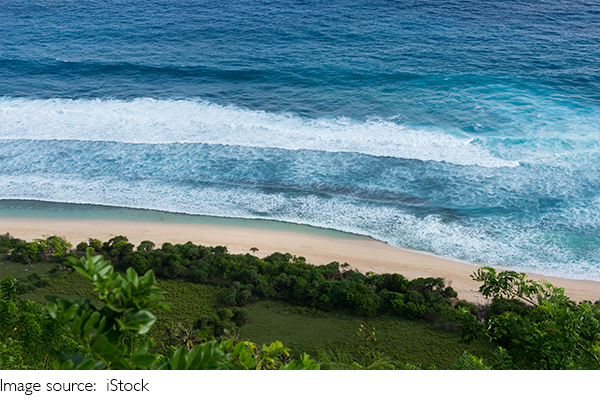
Walking along a shoreline, it is impossible not to notice fragments of plastic washed up among shells and seaweed.
What should be a serene connection with nature instead becomes a reminder of human influence on the ocean.
From tiny microplastics invisible to the eye to abandoned fishing nets, these materials affect countless marine species and disrupt delicate ecosystems. Beyond visible trash, chemical changes in seawater and unsustainable fishing practices further threaten the health of our oceans. Understanding these issues is the first step toward making a meaningful difference.
Plastic Pollution and Its Impact
- Microplastics and ingestion
Scientific studies show that plastic ingestion is now widespread among marine species. Research analyzing seafood organisms found microplastic particles in 69% of examined marine animals, including fish, crustaceans, and mollusks. These particles accumulate in digestive systems and tissues, demonstrating how plastics move through the marine food chain.
Globally, scientists estimate that over 800 marine species have been documented ingesting plastic, including about 90% of seabird species and half of all sea turtles.
- Marine debris entanglement
Plastic debris does not only enter animals through food. Entanglement in fishing lines, ropes, and abandoned “ghost nets” causes severe injuries and death. Researchers estimate that around 100,000 marine mammals die each year due to plastic entanglement.
Fishing gear alone accounts for a significant portion of ocean debris, illustrating how lost or discarded equipment continues harming wildlife long after its use.
- Chemical pollution
Plastics can absorb and release harmful chemicals, including pesticides and heavy metals. These toxins spread through the water column, impacting plankton and larger marine species alike, and may contribute to declining biodiversity in affected areas.
Other Human-Induced Ocean Changes
- Ocean acidification
The ocean absorbs a significant portion of carbon dioxide released into the atmosphere. This chemical reaction forms carbonic acid, lowering seawater pH and making it harder for shell-forming organisms such as oysters, clams, and corals to build calcium carbonate structures. As reefs weaken, entire marine ecosystems lose important habitats for breeding and shelter.
- Overfishing and habitat disruption
Excessive fishing reduces populations of key species, altering food webs and allowing invasive species to thrive. Practices like bottom trawling also damage seabed habitats, eroding the natural complexity needed for young fish and invertebrates to survive.
- Coastal pollution and runoff
Studies indicate that about 80% of marine plastic pollution originates from land-based sources, including rivers carrying urban waste, agricultural runoff, and improperly managed trash.
Practical Measures to Protect the Ocean
- Reducing single-use plastics
Switching to reusable bags, bottles, and containers directly lowers the amount of plastic entering waterways. Supporting brands with sustainable packaging and avoiding products with microbeads further reduces environmental load.
- Responsible seafood consumption
Choosing sustainably sourced fish and shellfish helps prevent overfishing and encourages practices that protect habitats. Certification labels, such as those from recognized sustainable seafood organizations, provide guidance for consumers.
- Participating in local cleanups and advocacy
Beach cleanups and riverbank initiatives remove plastics before they reach the ocean. Advocating for stronger environmental regulations, reduced industrial runoff, and improved waste management helps scale individual actions into larger, systemic change.
Protecting the ocean is not just an ecological concern—it is a responsibility we share as stewards of the planet. Each piece of plastic avoided, each sustainable choice made, and each community effort contributes to a healthier, more resilient marine environment. By observing our habits and acting thoughtfully, we can ensure that future generations experience the vibrant, thriving oceans that today's wildlife depends on.
Popular
Monument Valley Scenic Drive
A breathtaking desert road through towering red rock formations
Beautiful Waterfalls
Ten breathtaking waterfalls where nature shows its most powerful beauty
Terraces Against Erosion
How layered hillside farming protects soil and sustains mountain landscapes
Exploring Antelope Canyon
Discover the twisting sandstone corridors that glow with sunlight