Balance and Body Control
Balance and Body ControlPosted by Caleb Ryan on 17-11-2026
Funny Facts
Balance is an essential component of physical health, allowing the body to maintain stability while standing, walking, and changing positions.
It relies on communication between the brain, muscles, joints, vision, and inner-ear balance system.
Balance training develops the body's ability to coordinate these systems while engaging the muscles responsible for postural control. Simple exercises performed at home can help improve movement precision, lower-body strength, and physical stability.
Understanding the Body's Balance System
The body's balance system combines information from several sensory pathways. Vision helps identify the surrounding environment, the inner ear detects head movement and position, and sensory receptors in muscles and joints communicate information about body position.
The brain processes these signals and coordinates muscular activity to maintain an upright posture and adjust movements.
The National Institute on Aging explains: "Balance involves maintaining the body’s stability while still or in motion."
This highlights why balance training is an important component of physical fitness. Practicing controlled movements helps develop the coordination required for standing, walking, turning, and reaching.
Health Benefits of Balance Training
Balance exercises contribute to several aspects of physical function.
Improved Coordination
Controlled movements train different muscle groups to work together, supporting smoother transitions between positions and more coordinated movement during daily activities.
Enhanced Postural Control
Balance exercises engage the muscles that maintain an upright position. Developing this control supports stability while standing, walking, and performing routine movements.
Lower-Body Muscle Strength
Exercises such as heel raises, single-leg standing, and standing leg raises activate the muscles around the hips, thighs, calves, and ankles. These muscles contribute to posture, movement, and stability.
Improved Functional Mobility
Practising balance movements helps develop physical skills used in everyday activities, including changing direction, reaching for objects, and walking across different surfaces.
Practicing Balance with a Stability Trainer
A half-round balance trainer provides a curved exercise surface that introduces an additional stability challenge. Maintaining an upright position on this equipment requires coordinated adjustments from the muscles and sensory systems involved in balance.
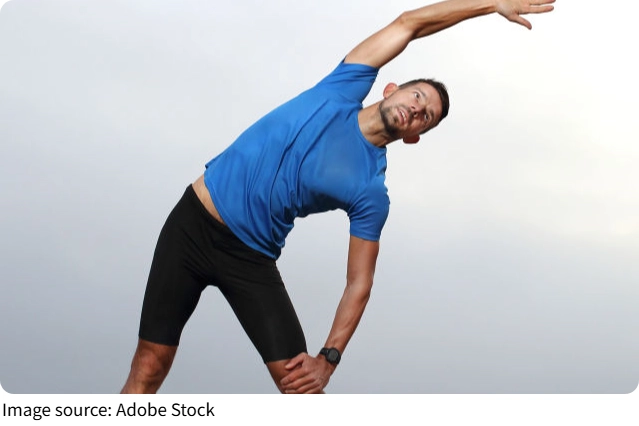
The exercise shown in the picture demonstrates single-leg standing with the opposite knee raised.
How to Perform the Movement
1. Begin standing on a firm, level floor with your feet comfortably apart.
2. Gradually transfer your weight onto one leg.
3. Slowly lift the opposite foot while bending the knee.
4. Keep your upper body upright and extend your arms gently for balance.
5. Maintain the position for 5 to 10 seconds.
6. Return to the starting position and repeat with the opposite leg.
Once this movement becomes comfortable, introduce the balance trainer gradually. Start with both feet on its surface while holding a stable support. Progress to single-leg exercises only when you can maintain good control.
Effective Exercises for Better Stability
Several simple movements can complement stability-trainer exercises and help develop lower-body strength and coordination.
Single-Leg Standing
Stand beside a sturdy chair and hold it for support. Lift one foot slightly while maintaining an upright posture. Hold for 5 to 10 seconds before changing legs.
Standing Leg Raises
Hold a stable support and slowly raise one leg sideways without leaning your upper body. Lower it with control and repeat on the other side. This exercise engages the muscles around the hips.
Heel Raises
Stand with your feet hip-width apart. Slowly raise your heels while keeping your toes on the floor. Pause briefly before lowering them. Complete 10 repetitions.
Controlled Weight Shifts
Stand with both feet comfortably apart. Gradually transfer your weight from one leg to the other while keeping your upper body upright. Continue for 20 to 30 seconds.
Building a Consistent Exercise Routine
A balanced exercise routine can combine stability movements with muscle-strengthening and cardiovascular activities.
Begin with approximately five minutes of gentle walking to prepare for exercise. Follow with single-leg standing, standing leg raises, heel raises, and controlled weight shifts.
Start with manageable repetitions and short holding periods. Increase the duration or number of repetitions gradually as your movement control improves. Allow adequate recovery between exercises.
Including balance activities in a regular weekly exercise schedule helps develop physical coordination and complements other forms of exercise. The frequency and intensity should reflect individual fitness levels and physical capabilities.
Safe Exercise Practices
Choose a level exercise area with sufficient space and keep a sturdy chair or stable support within reach. Wear suitable footwear and ensure the floor is dry and secure.
Before using a balance trainer, check that it is correctly positioned on a firm, nonslip surface. Begin with basic movements and introduce more challenging exercises progressively.
People with medical conditions, previous injuries, or difficulties maintaining balance should consult a healthcare professional or physiotherapist for suitable exercise guidance.
Pay attention to body positioning and movement control throughout each exercise. If dizziness or discomfort develops, stop the session and obtain appropriate professional advice.
Balance training supports physical coordination, postural control, and the muscle function required for everyday movement. Through simple exercises such as single-leg standing, heel raises, and controlled weight shifts, individuals can practise the movements that contribute to physical stability.
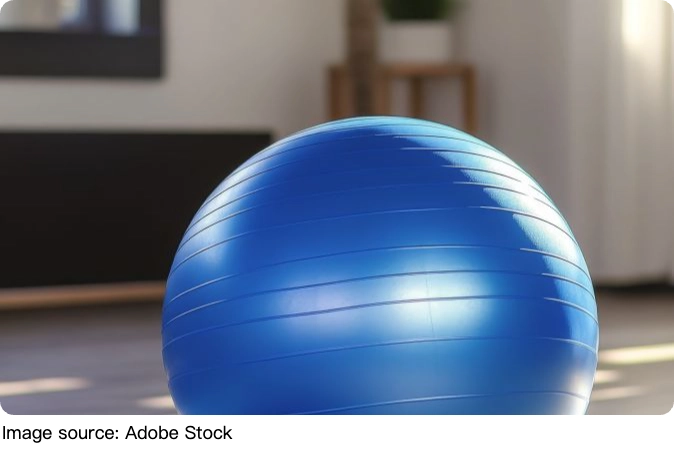
A half-round balance trainer offers an additional way to challenge coordination and movement control. Incorporating appropriate exercises into a consistent fitness routine can support long-term physical function and overall health.
Popular
Global Trade Under Strain
Higher shipping and energy costs make it harder for developing economies to benefit from rising trade.
Crypto Trading Basics
Before placing an order, compare fees, check who holds the assets, and decide how much to risk.
Budgeting for Your Next Home
Before moving to a larger or better-located place, weigh the upfront costs and the effect of a bigger loan.
Mindfulness and Sleep
How mindful awareness and relaxation practices can support healthy sleep