Light for Better Days!
Light for Better Days!Posted by Chris Isidore on 17-11-2026
Odd News
Shorter days and reduced daylight can affect more than outdoor routines. For some people, the arrival of winter brings persistent low mood, reduced motivation, changes in sleep, and difficulty managing ordinary responsibilities. These experiences may be linked to Seasonal Affective Disorder (SAD), a form of depression associated with seasonal changes.
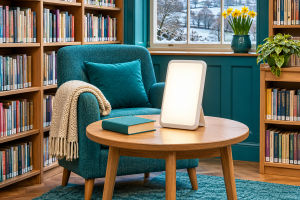
A new library lending scheme across Wales is making specialist light therapy lamps available without charge. The initiative gives people an opportunity to try a practical resource during darker months without having to purchase equipment.
Why Winter Can Affect Emotional Wellbeing
SAD is commonly associated with autumn and winter, when daylight hours become shorter. Symptoms can include ongoing sadness, low energy, difficulty concentrating, changes in appetite, disrupted sleep, and reduced interest in activities that normally feel enjoyable.
The condition can interfere with everyday responsibilities. Some people struggle to get out of bed, maintain social connections, or complete routine tasks. Rachel Dineen-Mabe, a 38-year-old librarian from Skewen, described the impact as particularly difficult during darker months.
She explained that the experience can involve feeling physically unable to manage ordinary activities, rather than simply lacking motivation. Her account illustrates why seasonal low mood should not automatically be dismissed as a temporary reaction to cold weather.
How Light Therapy Lamps Work
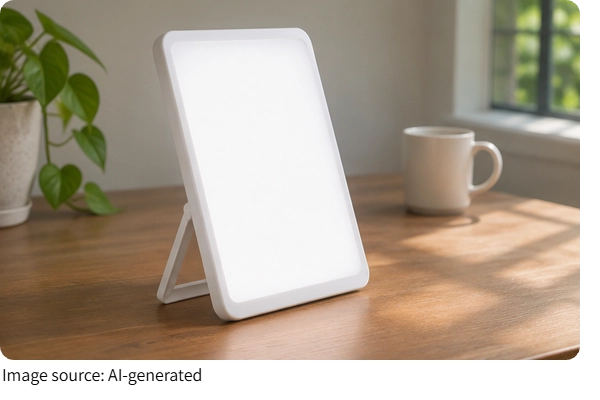
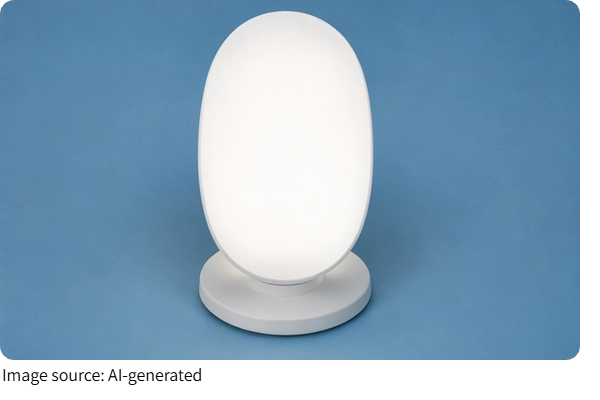
Light therapy lamps are designed to provide bright artificial light that resembles aspects of natural daylight. They are commonly used as a non-drug approach to managing seasonal symptoms. The light enters through the eyes and can influence biological signals involved in regulating the body's internal clock. Morning exposure is often recommended because it can help align sleep and wake patterns with the desired daily schedule.
However, light therapy is not simply a matter of using any bright household lamp. Specialist devices are designed for this purpose, and appropriate distance, duration, and timing matter. The BBC report notes advice from Public Health Wales to use the lamps for approximately 20 minutes in the morning, alongside efforts to obtain natural daylight during the day.
Light therapy may not be suitable for everyone. People with certain eye conditions or health circumstances should seek professional advice before beginning treatment. Anyone experiencing persistent or severe symptoms should also consider speaking with a healthcare professional rather than relying on a lamp alone.
Free Library Scheme Expands Access
The Welsh initiative allows residents to borrow light therapy equipment from participating libraries. Eleven council areas are involved: Cardiff, Swansea, Wrexham, Neath Port Talbot, Blaenau Gwent, Merthyr Tydfil, Powys, Conwy, Newport, Vale of Glamorgan, and Caerphilly.
Each lending box contains a lamp, an information booklet, and access to an online course. The package was developed through research involving the universities of Glasgow and Edinburgh, with funding from the Economic and Social Research Council. The programme follows two years of trials in Scotland and forms part of a wider expansion across the United Kingdom.
Expert Insight
Hester Parr from the University of Glasgow explained the purpose of the lending boxes and the importance of offering practical support outside traditional healthcare settings. “The whole intention of the box is to help people who feel low mood in winter, or feel that they have Seasonal Affective Disorder, make some kind of positive change,” she said.
Everyday Habits That May Help During Darker Months
Light therapy is only one possible part of a winter wellbeing routine. Spending time outdoors during daylight hours can increase exposure to natural light, even when the weather is cloudy. A short walk, regular outdoor breaks, or errands scheduled earlier in the day can help make daylight exposure more consistent.
Maintaining regular sleep and wake times may also support the body's daily rhythm. Social contact can be valuable as well. Meeting friends, joining community activities, or maintaining regular conversations may reduce isolation during periods when staying indoors feels more appealing.
The free light therapy lending scheme across Wales offers a practical way for residents to access specialist lamps during darker months. The boxes combine equipment with educational resources, while the involvement of university researchers and public health professionals provides additional guidance.
Seasonal low mood can affect sleep, energy, motivation, and everyday functioning. Morning light exposure, outdoor activity, regular routines, and social connections may all contribute to better winter wellbeing. However, persistent symptoms deserve professional attention, and light therapy should be treated as one possible support rather than a guaranteed solution.
Popular
Global Trade Under Strain
Higher shipping and energy costs make it harder for developing economies to benefit from rising trade.
Crypto Trading Basics
Before placing an order, compare fees, check who holds the assets, and decide how much to risk.
Budgeting for Your Next Home
Before moving to a larger or better-located place, weigh the upfront costs and the effect of a bigger loan.
Mindfulness and Sleep
How mindful awareness and relaxation practices can support healthy sleep