Norway's EV Shift!
Norway's EV Shift!Posted by Elise on 14-11-2026
Odd News
IONITY has replaced an experimental charging system at its Elverum site in Norway after repeated technical problems. The change marks the first use of Huawei charging equipment in the network, while also bringing an end to a pilot project with Polish supplier Ekoenergetyka at that location.
The decision is specific to the Elverum installation and does not mean IONITY has ended its wider cooperation with Ekoenergetyka.
Why the Original Pilot Was Stopped
IONITY opened its Elverum charging park in late 2025. The site was designed to test Ekoenergetyka's Shared Power technology, a system intended to distribute available electrical capacity dynamically across several charging points. The installation was an important trial for the European charging network because it was the first IONITY location to use this particular technology. The equipment was supplied by Ekoenergetyka, which had already been working with IONITY on other charging installations.
However, the pilot did not perform as expected. Following repeated operational failures, IONITY decided to stop the trial, remove the equipment and install replacement charging stations supplied by Huawei. A company spokesperson confirmed the change to electrive.
The problems had also been highlighted by charging infrastructure specialist Syed Haseeb Hassan in an independent analysis. The decision shows that the performance of a new charging system under everyday conditions is an important consideration when operators assess whether to continue using it.
How the Shared Power System Worked
The original Elverum installation used two DLBS power cabinets from Ekoenergetyka. Together, they provided a total capacity of 800 kW, which could be distributed between six fast-charging points. Power was allocated dynamically in increments of 66.7 kW. In practical terms, the system was designed to adjust how much electricity each connected vehicle could receive, depending on the available capacity and charging demand.
The location was initially promoted as capable of delivering charging power of up to 500 kW. However, the amount a vehicle can actually receive depends on its own charging capabilities as well as the power available at the station. This approach is different from treating every charging point as an entirely separate source of power. Shared systems allow a charging site to distribute its available capacity across multiple vehicles. Their performance therefore depends on how reliably the equipment manages that distribution.
Huawei Equipment Takes Over
The replacement installation consists of three Huawei charging stations with six charging points, alongside a separate power unit. According to IONITY's site information, four points offer charging power of up to 600 kW, while two are rated at up to 500 kW. An existing Alpitronic station also remains at the location. It provides two additional charging points rated at 400 kW each.
IONITY's cooperation with Huawei had already been announced publicly at the Power2Drive exhibition in Munich earlier in 2026. The Elverum installation now represents the first practical use of that partnership within IONITY's charging network. Detailed technical information about Huawei's system has not yet been released. The available description indicates a decentralised arrangement made up of three slim satellite units and one power unit.
Other Charging Networks at Elverum
IONITY is not the only operator at the Elverum site. Drivers can also use 28 Tesla Superchargers, eight charging points from Kople with outputs of up to 180 kW, and four Recharge points rated at 200 kW. The variety of operators gives electric vehicle drivers several charging options at the same location. However, IONITY currently offers the highest stated power levels among the equipment listed there.
Ekoenergetyka Partnership Continues
The end of the Elverum pilot should not be confused with an end to IONITY's broader relationship with Ekoenergetyka. Their cooperation began in the summer of 2023, when IONITY ordered high-power charging equipment with outputs of up to 350 kW. Installations have since been completed mainly in Croatia, Slovenia and Finland. The Elverum project was a separate test of the company's newer Shared Power arrangement, rather than a replacement for all equipment supplied under the existing partnership.
IONITY's decision in Elverum highlights the importance of reliable performance when introducing new charging technology. Although the Shared Power system offered an ambitious way to distribute 800 kW across six charging points, repeated operational problems led the operator to choose a different solution.
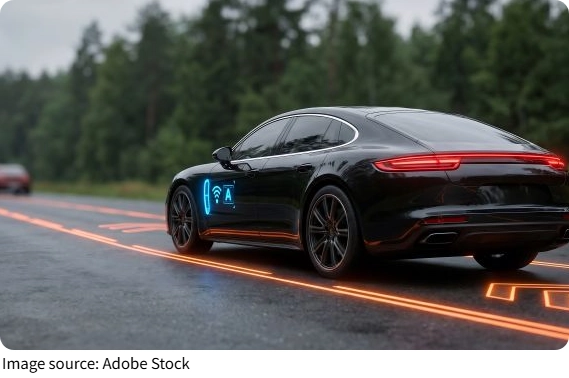
Huawei's equipment now takes over the site, with charging points rated at up to 600 kW. Meanwhile, IONITY's wider cooperation with Ekoenergetyka remains in place. The change is therefore best understood as the conclusion of one specific technology trial, rather than a broader shift away from the Polish supplier.
Popular
Norway's EV Shift!
What does this change mean for EV drivers? Norway welcomes a new approach to fast-charging infrastructure!
Europe's Car Costs!
Why are European drivers paying more? Examine how changing car rules may affect buyers and automakers!
EU Car Ban Changes!
Could petrol cars stay beyond 2035? EU lawmakers back softer emissions targets, giving automakers room!
EV Success Cuts Into Profit
German carmakers sell more EVs than expected, but a gap between demand and profitability is emerging.