Bamboo's Underground Spread
Bamboo's Underground SpreadPosted by Nolan O'Connor on 10-11-2026

On Trend
Hi, and thanks for joining us. You plant one small bamboo in a corner of the yard and figure it'll stay put.
Two seasons later, shoots are pushing up six feet away, on the other side of a path you thought was a barrier. Nothing dropped seeds there. The plant simply moved underground.
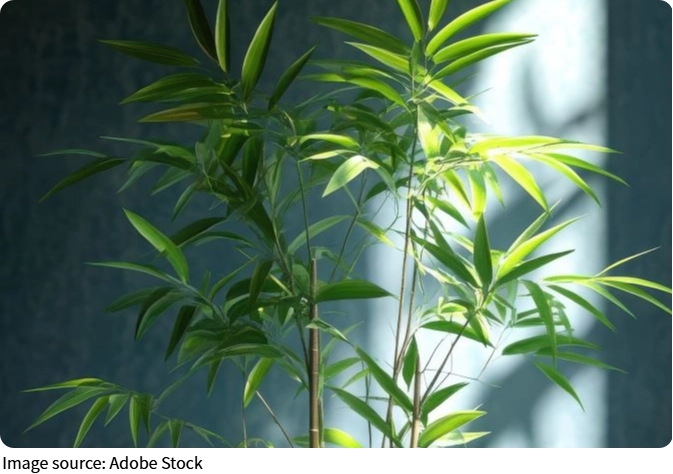
It runs on rhizomes, not roots
The part doing the traveling is the rhizome, a thickened stem that grows horizontally through the soil. It looks a bit like a root but it isn't one. Rhizomes store energy and carry buds, and each bud can push up a new culm. A running bamboo like Phyllostachys aurea can send rhizomes out several feet in a single growing season. The roots you picture, the fine ones, only anchor and feed. The rhizome is the part that expands territory.
Two spread patterns, two problems
Running bamboos spread fast and far. Their rhizomes are long, thin, and travel well beyond the visible clump, which is why a "clumping" label matters. Clumping bamboos, such as Fargesia species, produce short, thick rhizomes that turn and bunch near the parent. They widen slowly, maybe a few inches a year. Same plant family, very different behavior underground. Know which one you've bought before you dig the hole.
How far and how fast it moves
Rhizome growth follows the plant's energy supply. In warm months, a healthy running bamboo can extend rhizomes 3 to 5 feet per year, sometimes more in mild climates with regular water. Each rhizome tip pushes forward, then sends up shoots behind it. That's why the spread looks sudden. The underground work happens first, quietly, and the visible shoots show up after the rhizome has already arrived. If you see a shoot far from the clump, the rhizome got there weeks earlier.
Stopping it takes a barrier, not hope
Mowing shoots doesn't stop the rhizome. The network keeps running under the soil. What works is a physical barrier, typically high-density polyethylene about 24 to 30 inches deep, angled slightly outward at the top so rhizomes turn upward and get exposed. Install it before planting, not after. Leave a couple of inches of the barrier above the soil line so you can see rhizomes trying to cross. For clumping types, a barrier is usually unnecessary, though a simple edging helps keep the clump tidy.
Watch the soil, not just the shoots
Rhizomes favor loose, moist, disturbed ground. They slide under mulch, along fence lines, and through gaps in paving. Check the perimeter of your planting bed a few times during the growing season, especially in late summer when rhizome activity peaks. A trowel and five minutes of probing along the barrier edge will tell you more than waiting for a stray culm to appear. If you find a rhizome riding over the top, cut it back to the barrier and check again in a few weeks.

The short version: bamboo spreads by extending stems underground, and the only reliable control is a deep barrier installed before the plant gets going. Next time you see a shoot where it shouldn't be, remember the rhizome was there first, and go check your edges.
Popular
Amazon Cacao Growth!
Can cacao farms grow without clearing forests? New mapping reveals a different path in Brazil!
Heat Tests Giant Redwoods
California’s tallest trees can survive extreme heat, but new research shows their photosynthesis begins to falter surprisingly early.
Why Your Cactus Won't Bloom
Light, cold winters, and the right container size decide whether your cactus ever flowers.
Why Lilies Float
Water lilies don't fight the water, they use it. Here's the quiet engineering behind those floating blooms.