Europe At Its Wildest
Europe At Its WildestPosted by Santosh Jha on 23-09-2026
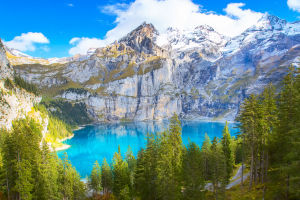
Holiday Topics
Europe’s beauty is often associated with famous capitals, but some of its most memorable places lie far beyond city streets. Across the continent, volcanic islands, glacier valleys, forested mountains and brilliant blue lakes offer completely different kinds of travel.
The most rewarding way to experience them is slowly. Many of these destinations deserve several days rather than a quick stop, especially if hiking, cycling or scenic road trips are part of the plan.
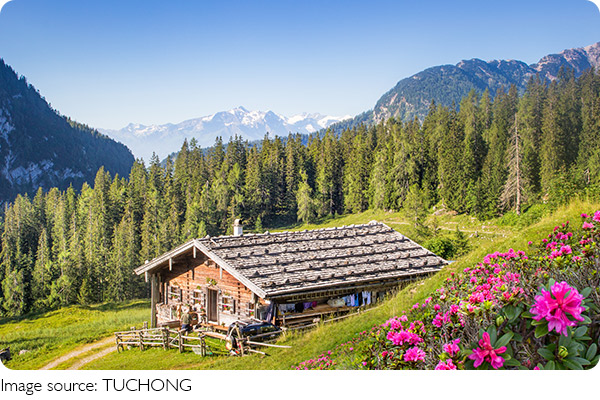
Swiss National Park, Switzerland
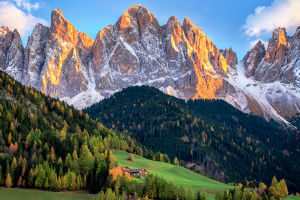
Switzerland’s only national park protects 172 sq km of Alpine landscapes near Zernez. Ibex, chamois, golden eagles and bearded vultures inhabit an environment of forests, glaciers and high mountain meadows.
One of the most impressive routes leads towards the 23 Lakes of Macun, while the remote Chamanna Cluozza provides an overnight mountain experience.
A comfortable regional budget is around €120–180 per person per day. Three days is a good minimum for hiking rather than simply passing through.
Stromboli, Italy
Stromboli rises almost directly from the Tyrrhenian Sea and remains one of Europe’s most dramatic volcanic islands.
Black-sand beaches offer a striking contrast to the active volcano above, while guided evening excursions reveal glowing volcanic activity after dark. Travellers can reach the island by ferry or hydrofoil from Naples and other Aeolian Islands.
Guided volcano hikes typically cost around €25–40. Accommodation generally starts from about €60–100 per night. Two nights is preferable to a rushed day trip.
Stromboli
The Azores, Portugal
The Azores feel almost otherworldly. Crater lakes, geothermal landscapes, tea plantations and steep green hills stretch across nine Atlantic islands.
São Miguel is the easiest introduction, with Ponta Delgada providing the main transport hub. Geothermal bathing, hiking and whale-watching are among the most popular activities.
Boat excursions generally cost around €45–65, while mid-range accommodation can start from €70–110 per night. A daily budget of €90–140 is realistic, excluding flights.
Lofoten Islands, Norway
Lofoten combines jagged mountains with white beaches and traditional fishing villages above Arctic waters.
Summer brings almost continuous daylight, while winter offers opportunities to see the northern lights. Hiking is free on many routes, but transport and accommodation make the islands more expensive than southern European destinations.
Guesthouses and cabins often cost around €90–160 per night, while car rental can add roughly €70–120 per day. Four to six days allows enough flexibility for changing weather.
Plitvice Lakes, Croatia
Sixteen interconnected lakes and a network of waterfalls make Plitvice one of Europe’s most recognisable natural landscapes.
Wooden walkways pass through turquoise water, forests and limestone formations. The full Route K covers roughly 22km and usually takes six to eight hours.
In September, adults admission is around €40 before 3pm and about €25 later in the day. The ticket includes designated electric-boat and panoramic transport inside the park.
Staying nearby for one or two nights makes an early start much easier.
Teide National Park, Tenerife
Mount Teide, at 3718m, dominates Tenerife’s volcanic interior and offers one of Europe’s most unusual high-altitude landscapes.
Travellers can explore lava formations on foot or take the cable car high above the crater. A return cable-car ticket costs approximately €42 for non-resident adults, while summit access requires a separate permit.
Two days is enough to combine the national park with stargazing and hiking, although weather conditions can affect access.
Lake Bohinj, Slovenia
Lake Bohinj offers a quieter alternative to nearby Lake Bled. Surrounded by the Julian Alps, it is ideal for swimming, kayaking and hiking.
Kayak rental generally starts from around €15–20 per hour, while accommodation in the area typically ranges from €60–110 per night.
Three days is ideal for combining the lake with mountain trails and nearby villages.
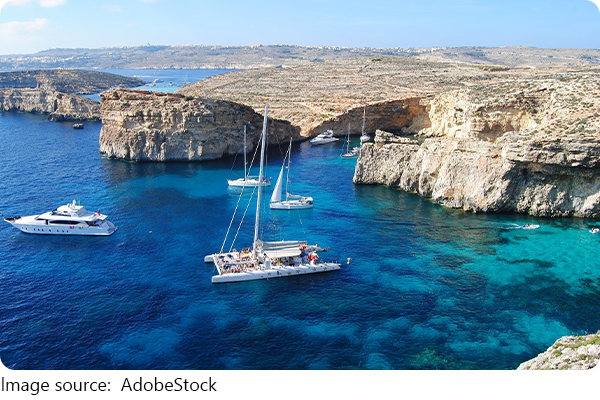
Valletta, Malta
Not every beautiful European destination is wilderness. Valletta offers honey-coloured streets, harbour views and dense Renaissance architecture within a compact historic centre.
Most of the city is walkable, so transport costs remain low. Museum and attraction tickets commonly fall between €5 and €15, while accommodation often starts around €80–130 per night.
Two or three days is enough for the city itself, with additional time useful for exploring the rest of Malta.
Europe’s most beautiful places are remarkably diverse, but they share one thing: they reward travellers who give them time. Whether the journey involves a ferry, cable car, mountain trail or quiet lakeside road, the strongest memories usually come from the landscape itself rather than a checklist of sights.
Popular
Anafi: Europe’s Quiet Isle
Just over an hour from Santorini, Anafi offers empty beaches, dark skies and one of Europe’s rare genuinely peaceful island escapes.
Europe Beyond Crowds
From Atlantic beaches to mountain villages, these quieter European escapes offer space, scenery and better-value travel.
Europe At Its Wildest
From Arctic islands to volcanic peaks and Alpine lakes, these European landscapes are worth building an entire trip around.
Best September Escapes
Why September is becoming one of the best months for travel, from affordable European breaks to warmer long-haul destinations.