Europe’s Walkable Cities
Europe’s Walkable CitiesPosted by Finnegan Flynn on 22-09-2026
Holiday Topics
Walking is becoming one of the best ways to experience a city. Instead of rushing between landmarks by transport, travellers can discover hidden courtyards, local neighbourhoods, historic streets and unexpected viewpoints at their own pace.
A recent ranking of the world’s most walkable cities revealed that Europe remains one of the strongest regions for pedestrian-friendly travel. Several European destinations stood out thanks to their compact layouts, excellent public spaces and concentration of cultural attractions.
For travellers looking for a city break without expensive transport costs, these destinations offer the perfect combination of convenience, atmosphere and unforgettable experiences.
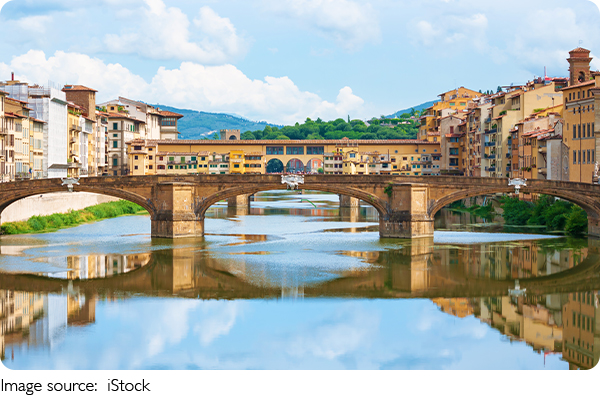
Florence, Italy: A Living Open-Air Museum
Florence is one of Europe’s most rewarding cities to explore on foot. Its compact historic centre allows visitors to reach famous landmarks, traditional streets and riverside views within minutes.
Walking through Florence feels like travelling through centuries of history. The Duomo, Ponte Vecchio and Piazza della Signoria are all located close together, making it easy to create a full itinerary without using public transport.
The city is especially enjoyable during spring and autumn when temperatures are comfortable and streets are less crowded.
Entry to major attractions usually costs around €10–25. The Uffizi Gallery ticket costs approximately €25, while many temples and smaller museums are available for €5–10.
Accommodation in central areas starts from around €90–160 per night, while meals usually cost €15–30 per person.
A comfortable daily budget for Florence is around €100–170 per traveller.
Amsterdam, Netherlands: Canals And Culture
Amsterdam’s unique layout makes it ideal for exploring slowly. Although the city is famous for cycling, many of its most beautiful areas are best discovered by walking.
The canal district, Jordaan neighbourhood and Museum Quarter offer a mix of historic architecture, galleries and peaceful streets. Visitors can easily create a full day of sightseeing without relying on transport.
The Rijksmuseum costs around €25, while other museums usually range between €12–20. A public transport ticket costs approximately €3–4, although many central attractions are within walking distance.
Hotels typically cost €100–180 per night, while meals average €15–35.
Travellers should expect a daily budget of approximately €120–200.
Amsterdam
Copenhagen, Denmark: Designed For Walking
Copenhagen has built its reputation around human-friendly urban spaces. Wide pedestrian streets, waterfront paths and attractive public areas make the Danish capital comfortable to explore throughout the year.
The historic centre connects many important sights, including Nyhavn, Amalienborg Palace and the city’s beautiful parks. Autumn is particularly appealing when colourful leaves create a scenic backdrop for long walks.
Museum tickets generally cost around €15–25, while many outdoor attractions are free.
Accommodation prices usually start from €100–170 per night, and meals cost around €20–40 per person.
A realistic budget is approximately €130–220 per day.
Lisbon, Portugal: Hills With A Rewarding View
Lisbon’s hills may make walking more challenging, but they also create some of Europe’s most memorable urban views. The city’s historic districts, colourful buildings and viewpoints are best experienced slowly.
Neighbourhoods such as Alfama and Baixa offer narrow streets, traditional architecture and impressive viewpoints over the city.
Many attractions are affordable, with museum tickets usually costing €5–15. The famous trams and public transport system cost around €1.80 per journey.
Hotels are available from around €70–130 per night, while meals usually cost €12–25.
Visitors can explore Lisbon comfortably with a budget of around €80–140 per day.
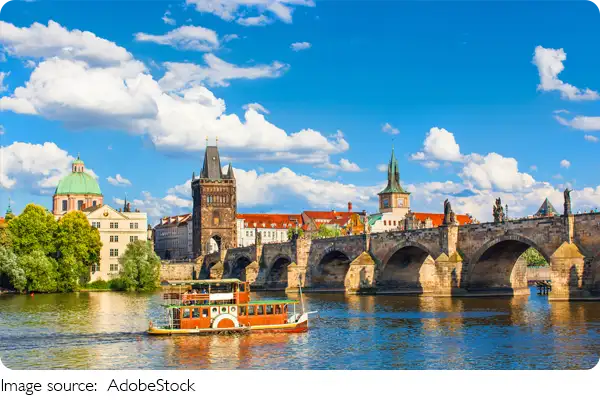
Prague, Czech Republic: History Around Every Corner
Prague remains one of Europe’s most walkable historic capitals. The Old Town, Charles Bridge and Prague Castle area are connected by scenic streets that encourage visitors to explore without a strict schedule.
The city offers impressive architecture, river views and cultural landmarks at relatively affordable prices compared with many Western European capitals.
Museum and attraction tickets generally cost €5–20, while public transport remains inexpensive at around €1–2 per ticket.
Accommodation ranges from €60–120 per night, meals cost approximately €10–25, and a daily budget of €70–130 is enough for a comfortable visit.
Walking through Europe’s most accessible cities offers a different style of travel — slower, more personal and often more affordable. From medieval streets to modern waterfronts, these destinations prove that sometimes the best way to discover a city is simply by taking the next step.
Popular
Anafi: Europe’s Quiet Isle
Just over an hour from Santorini, Anafi offers empty beaches, dark skies and one of Europe’s rare genuinely peaceful island escapes.
Europe Beyond Crowds
From Atlantic beaches to mountain villages, these quieter European escapes offer space, scenery and better-value travel.
Europe At Its Wildest
From Arctic islands to volcanic peaks and Alpine lakes, these European landscapes are worth building an entire trip around.
Best September Escapes
Why September is becoming one of the best months for travel, from affordable European breaks to warmer long-haul destinations.