UK Prices Rise Again
UK Prices Rise AgainPosted by Arjun Mehta on 16-09-2026

On Trend
Inflation in the UK rose to 2.9% in the year to July 2026, reaching its highest level in four months and remaining above the Bank of England’s 2% target. The increase was largely driven by household energy costs, while food inflation continued to ease.
Although price growth is far below the levels seen several years ago, households are still paying more because falling inflation means prices are rising more slowly rather than actually declining.

Energy Bills Push Inflation Higher
A major reason for July’s increase was a 13% rise in Ofgem’s energy price cap, which took effect on 1 July. For a typical household paying by direct debit, the change added roughly €258 a year to energy costs when converted from the original sterling figure at the August 19 exchange rate.
The cap does not set a maximum total bill. Instead, it limits the unit rates and standing charges suppliers can apply to households on default tariffs, meaning actual spending still depends on energy use.
Energy remains one of the most unpredictable parts of the inflation picture because wholesale gas and electricity costs can change quickly.
Food Inflation Is Easing
Food prices provided some relief. Food inflation slowed to 1.3% in July, its lowest level in nearly five years. The slowdown means groceries are still becoming more expensive overall, but at a much gentler pace than before. Changes in production, transport and wholesale costs can also take months to reach supermarket shelves, so short-term movements do not always immediately affect household shopping bills.
The Office for National Statistics calculates inflation by tracking the prices of hundreds of goods and services in a regularly updated consumer basket. The Consumer Prices Index, or CPI, then compares those prices with the same period a year earlier.
Interest Rates Stay At 3.75%
The Bank of England kept its main interest rate at 3.75% at its July meeting. Six members of the Monetary Policy Committee supported leaving rates unchanged, while three preferred an increase to 4%.
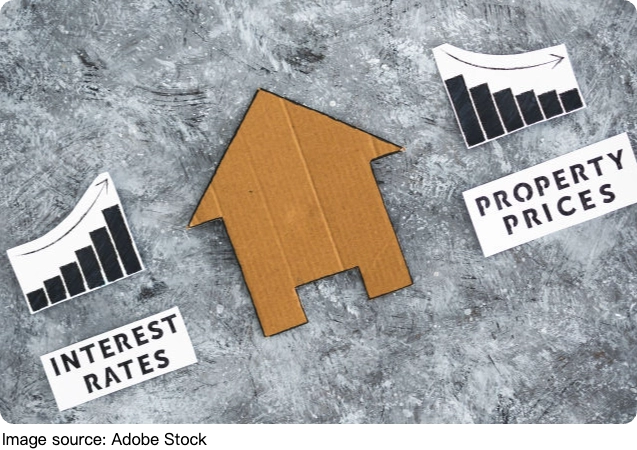
Higher interest rates are designed to reduce inflation by making borrowing more expensive and limiting spending. However, they can also increase mortgage costs and discourage business investment.
The Bank has said that energy-price volatility remains an important source of uncertainty and that future decisions will depend on how inflation develops across the wider economy.
Wages Are Still Growing Faster
Regular UK pay excluding bonuses increased by 3.5% in the three months to June. After inflation was taken into account, real regular earnings rose by around 0.5%.
The labour market, however, showed signs of cooling. Vacancies fell to about 707,000 in the three months to July, while unemployment remained at 4.9%.
A weaker jobs market can reduce pressure on wages and prices, which is another factor considered when interest-rate decisions are made.
Households Could See Some Relief
From 1 October 2026, VAT on qualifying domestic electricity supplies in Great Britain will temporarily fall to zero until the end of March 2027. The government estimates that this could save a typical household around €53 a year, based on the August exchange rate.
For households, however, the broader picture remains mixed. Inflation is much lower than its previous peaks, but everyday expenses remain elevated. Energy costs, borrowing rates and wage growth will therefore remain central to how affordable daily life feels during the rest of 2026.
Popular
Gut Microbes And Women
Small-bowel bacteria differ between women and men, offering new clues to conditions that disproportionately affect women.
Path To Riches
Why Millionaires Think Completely Differently About Money and Success!
Smarter Business Finance
Small Businesses Are Exploding in Growth Thanks to This Financial Technology!
Diabetes Checkups Explained
What to Know About Blood Sugar Testing, Glucose Monitoring, and Doctor Visits