Teide: Spain's Volcanic Peak
Teide: Spain's Volcanic PeakPosted by Arvind Singh on 31-08-2026
On Trend
Hello, everyone. Most people picture Spain as beaches, tapas bars, and sun-drenched plazas.
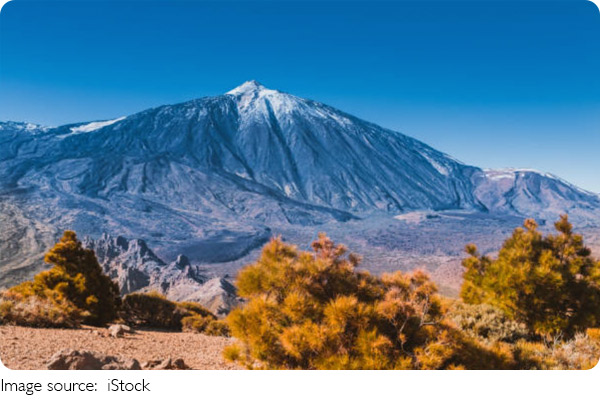
Then they get to Tenerife and drive up a winding road into what looks like the surface of Mars. Teide National Park sits at 3,715 meters above sea level, and it doesn't just surprise you, it completely resets your idea of what the Canary Islands look like.
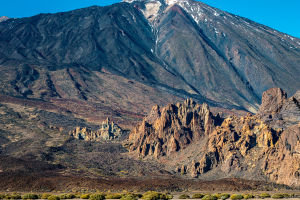
The park is built around Mount Teide, an active volcano and Spain's highest peak. It's a UNESCO World Heritage site, and the landscape is raw, rocky, and almost silent. You'll see volcanic craters, twisted lava formations, and colors ranging from deep rust to pale yellow.
Why this park feels otherworldly
The terrain here is genuinely strange. You know how most national parks are green, full of trees and rivers? This one is the opposite. The volcanic soil barely supports plant life, except for some hardy species like the Teide violet, which somehow blooms in the cracks of black rock.
The most famous rock formation is Roque Cinchado, a stone pillar that juts out of the ground like a giant's finger. It's featured on the old 1,000 peseta banknotes, so locals treat it as a national symbol. The lava fields around it stretch for miles, and you'll notice the different types of flow, some smooth and rope-like, others jagged and sharp enough to cut your boots.
Teide National Park
Riding the cable car up
You don't have to hike to get the full experience. The cable car, called the Teleférico, runs from the base station at 2,356 meters up to La Rambleta at 3,555 meters. The ride takes about eight minutes, and the views open up fast. You'll see the whole island spread out below, plus the neighboring islands of La Gomera and Gran Canaria on a clear day.
A round-trip ticket costs around 38 euros per person. Book your slot online ahead of time, especially in the afternoon when the wind picks up and they sometimes stop the service. The last ride down is usually around 4:30 PM, so don't linger too long at the top.
Hiking trails for every level
If you want to walk, there are marked trails right from the cable car station. The easiest one, called La Fortaleza, is a flat loop that takes about 40 minutes and gives you panoramic views of the crater. It's perfect if you're just stopping by for a few hours.
For something harder, the trail to Pico Viejo is a solid option. It's a 5.5-kilometer round trip with some steep sections, but the payoff is a view into a massive secondary crater. The hardest hike is the one to the summit itself, but that requires a special permit. You can apply for it online for free, but you need to request it at least a month in advance because they only allow 200 people per day.
Stargazing after sunset
When the sun goes down, the park transforms. The lack of light pollution makes it one of the best stargazing spots in the northern hemisphere. The sky gets so dark that the Milky Way looks like a bright river overhead. On a new moon night, you can see thousands more stars than you'd ever spot in a city.
You don't need special equipment, just a blanket and warm clothes, because the temperature drops sharply after dark. The park's altitude means you're above most of the atmosphere's haze, so even the moon looks sharper. Some visitors bring telescopes, but honestly, just lying on the volcanic sand and looking up is enough.
Getting to the park is straightforward. Most people rent a car in Santa Cruz or Puerto de la Cruz and drive up the TF-21 road. The drive takes about an hour from either town, and the road is well-maintained but winding. There's a visitor center at El Portillo with exhibits about the volcano's geology, and it's worth a quick stop before you head deeper into the park.
One practical tip: bring layers. The temperature at the base can be 20 degrees Celsius, but at the summit it might be below freezing, even in summer. Also, the sun at this altitude is brutal, so sunscreen and sunglasses are non-negotiable.
The park charges an entrance fee of 12 euros per car, which covers your parking for the day. If you're coming by tour bus, the fee is included in your ticket price.
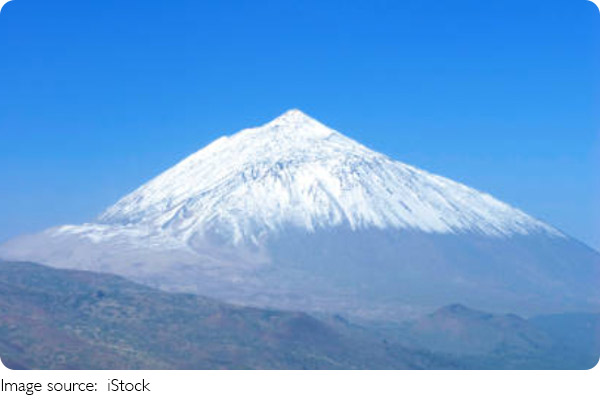
Teide is very different from the Spain most visitors imagine, and that's exactly what makes it worth seeing. Give yourself time to explore the volcanic landscape, check the weather before heading up, and book the cable car or summit permit in advance if you need one. With a little planning, a day in Teide National Park can be one of the most memorable parts of a Tenerife trip.
Popular
Europe’s Island Drives
Volcanic roads, empty beaches and compact coastal routes make these European islands perfect for a scenic road trip.
Europe’s Hidden Islands
Quiet European islands: volcanic Greece, car-free Brittany – beaches, history, no crowds.
Stillness Worth Travelling
Forget packed itineraries. These European escapes are made for long walks, quiet mornings and holidays that actually feel restful.
Akvaryum Cove Guide
Explore Akvaryum Koyu near Kaş, Türkiye, with tips on transport, stays, food, activities, and timing