Venice Without the Crowds
Venice Without the CrowdsPosted by Amit Sharma on 31-08-2026
On Trend
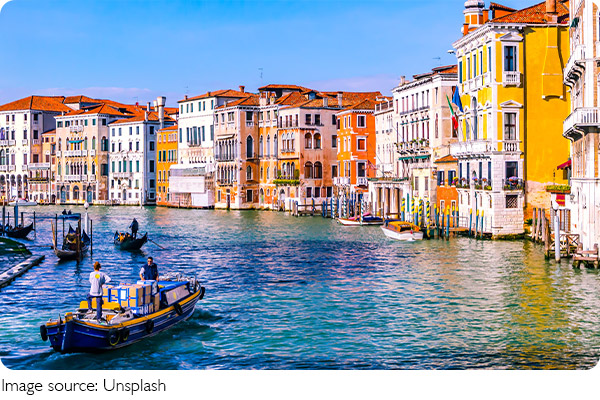
Hi Lykkers! Most people picture Venice as a postcard: gondolas bobbing on the Grand Canal, pigeons filling St. Mark's Square, and a thousand selfie sticks at sunset.
Then they arrive in July and spend half the trip shuffling shoulder-to-shoulder across the Rialto Bridge, wondering if they made a mistake.
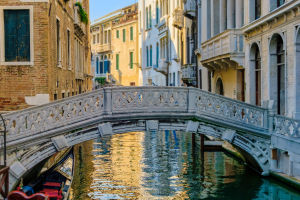
But Venice is not actually one giant tourist trap. It's a city that rewards people who step off the main drag and walk for ten minutes in any direction.
The city that flips the script
You'd expect the busiest spots to be the most rewarding, but that's where Venice tricks you. The real magic sits in the residential neighborhoods, places like Cannaregio or Castello, where laundry lines crisscross narrow alleyways and the only sound is a distant bell tower.
One afternoon I walked from the train station toward the Arsenale, and for a solid twenty minutes I saw maybe three other tourists. That's the Venice locals actually live in, and it costs nothing to explore.
What to actually see first
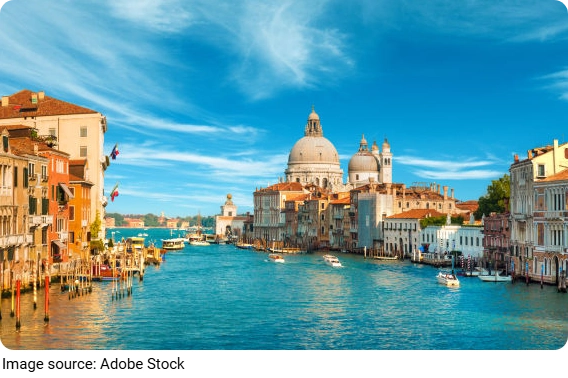
Skip the Doge's Palace on your first morning. Instead, start at the Basilica di Santa Maria della Salute, the domed place of worship at the mouth of the Grand Canal. The interior is free to enter, and the light filtering through the windows onto the marble floor is something you'll remember longer than any museum queue. From there, take the traghetto across the canal, a two-minute gondola-style ferry that locals use daily.
It costs about 2 euros, and you'll get the same canal view as a 90-euro gondola ride, minus the serenade. If you do want the full gondola experience, book one in a side canal near San Polo, not on the Grand Canal, and settle on the price before you board.
Venice
Timing beats any itinerary
Venice is a different city before 9 a.m. and after 6 p.m. The cruise ship day-trippers arrive mid-morning and vanish by dinner, so your best window is early. I walked across St. Mark's Square at 7:30 a.m. once and had it nearly to myself, just me, the basilica's gold mosaics catching the sunrise, and a few pigeons. For the Rialto Market, go on a weekday morning before the crowds hit; the fish stalls close by noon, and the produce stands are a riot of color.
If you're planning a museum visit, book the Accademia or the Peggy Guggenheim Collection online in advance, and pick the first time slot of the day. You'll save yourself a 40-minute line and get a quieter gallery.
Getting around without losing your mind
The water bus, vaporetto, is your friend, but it's not a subway. Lines 1 and 2 run along the Grand Canal, but the boats get packed during peak hours. Instead, use your feet for most of the day, and save the vaporetto for crossing to the outer islands. A single ticket costs 9.50 euros for 75 minutes, which is steep, so if you're hopping between Murano and Burano, buy a 24-hour pass for 25 euros.
On foot, the key is to let yourself get lost. The city is small, about 7 square kilometers, and every dead end eventually opens onto a campo, a square with a well and a chapel. My rule: if you're on a street with more than fifty people, turn down the next alley.
Budget for the real costs
Venice is not cheap, but it's not as crazy as people claim if you plan. A basic hotel room in Cannaregio, away from St. Mark's, runs about 120 to 150 euros a night in low season, and that drops to 90 if you book a month out. For food, avoid any restaurant with a menu in five languages and a guy standing outside waving you in.
Instead, look for a bacaro, a small bar that serves cicchetti, little snacks on bread. A coffee at the counter costs 1.50 euros, but sit down at a table and it jumps to 6. Use the same math for everything: standing at a bar is always cheaper than sitting at a table.
The quieter islands worth your time
Everyone does Murano for the glass and Burano for the colorful houses, and they're fine, but neither is Venice's best side trip. Instead, take the vaporetto to Torcello, the island that was the original settlement before Venice existed. It's nearly empty, with a grassy piazza, a tiny Byzantine chapel with stunning gold mosaics, and a quiet that feels like a different century.
The ride takes about 45 minutes from Fondamenta Nove, and the 12-euro round-trip ticket doubles as your sightseeing pass. Bring a snack and a book, because there's nothing to buy there, and that's exactly the point.
Venice rewards the early riser and the aimless wanderer. The crowds are real, but they cluster in predictable spots, and you can outsmart them with a little planning and a willingness to take the wrong turn. Next time you're standing in a packed square, remember the quiet alley just one street over, and go find it. That's the Venice worth remembering.
Popular
Europe’s Island Drives
Volcanic roads, empty beaches and compact coastal routes make these European islands perfect for a scenic road trip.
Europe’s Hidden Islands
Quiet European islands: volcanic Greece, car-free Brittany – beaches, history, no crowds.
Stillness Worth Travelling
Forget packed itineraries. These European escapes are made for long walks, quiet mornings and holidays that actually feel restful.
Akvaryum Cove Guide
Explore Akvaryum Koyu near Kaş, Türkiye, with tips on transport, stays, food, activities, and timing