Perfect Passing Skills
Perfect Passing SkillsPosted by Caleb Ryan on 18-08-2026
Useful Tips
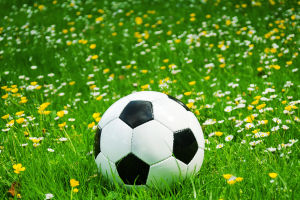
A well-placed pass can change the flow of an entire soccer match. When we send the ball to the right teammate at the right speed, we give our team more time, space, and control. Improving passing accuracy is not about using more power.
It is about combining good technique, careful observation, proper timing, and smart decisions. By working on these details step by step, we can make every pass more consistent and useful during training and matches.
Build A Stable Position
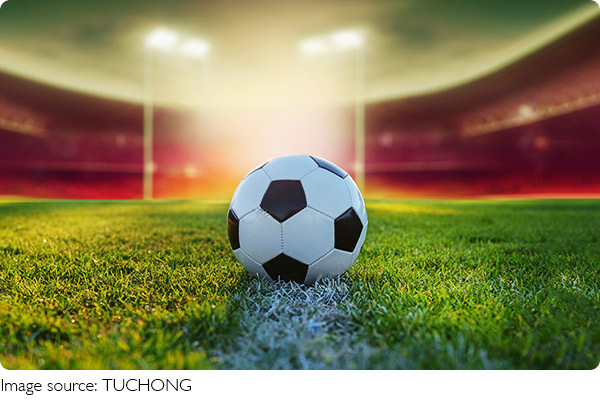
Before we pass, our body position gives us a strong starting point. We can place the supporting foot beside the ball, with the toes pointing toward our target. Our upper body should stay balanced instead of leaning too far backward. For a short ground pass, the inside of the foot gives us a wide contact area and helps guide the ball.
We should also keep the ankle firm during contact. A loose ankle can send the ball away from the intended line. A smooth swing and controlled follow-through can help us manage both direction and speed.
Look Before Passing
Accurate passing begins before our foot touches the ball. We can lift our head and check where teammates are positioned. At the same time, we should notice nearby opponents and available space. A quick glance before receiving gives us useful information and helps reduce rushed decisions.
A good habit is to scan the field while moving into position. Then we can receive, adjust, and pass with a clearer idea of our next move.
Control The Power
Distance determines how much power we need. For a teammate five meters away, a controlled ground pass is often easier to receive. For a longer diagonal pass, we need a larger leg movement and stronger follow-through.
We can also pass toward where a teammate is going rather than where they are standing. If someone is running forward, placing the ball slightly ahead allows them to keep moving without slowing down.
Practice With A Wall
Wall passing is a simple way to improve consistency. We can stand three to five meters from a flat wall and make 30 controlled passes with each foot. After every return, we can focus on receiving the ball smoothly and preparing the next pass.
As our control improves, we can increase the distance. We can also switch between one-touch and two-touch practice. One-touch work improves quick reactions, while two-touch drills give us more time to prepare the ball.
Train With A Partner
Partner drills add movement and timing. We can begin with short passes while standing still. Then both players can move sideways, forward, or diagonally while keeping a steady rhythm.
We can also create simple targets. Place two markers about one meter apart and try to pass the ball through the gap. After reaching ten accurate passes, we can increase the distance or add movement to make the drill more challenging.
Add Match Pressure
Training becomes more useful when it feels closer to a real match. We can create a small playing area with several players and one or two defenders. The player receiving the ball then has limited time to decide where to send it.
We can also limit touches. Starting with three touches and moving toward two encourages us to scan earlier and prepare our next action before the ball arrives.
Choose Better Routes
Accuracy is not only about reaching a teammate. The passing route also matters. When the center is crowded, we can search for a clearer angle through the side. During a quick attack, a forward pass into open space can help the team move up the field.
During slower possession, short passes can move the opposing team from one side to another. Changing direction can create better opportunities without forcing a difficult ball through a crowded area.
Communicate Clearly
Even a technically accurate pass can fail when teammates do not understand the intended movement. A short call, hand signal, or clear run can tell the passer where the ball should go.
We can practice common movement patterns together. One player moves wide, another checks toward the center, and the passer chooses the best option. Repeating these patterns helps everyone react faster during matches.
Review And Improve
After training, we can think about unsuccessful passes. Was the power too strong? Did we fail to look up? Did our teammate change direction? Was the passing lane blocked?
Finding the exact reason is more useful than simply calling a pass inaccurate. We can then choose a focused drill for the next session and work on that specific detail.
Keep Improving Together
Lykkers, better passing comes from many small habits working together. When we improve our body position, vision, power control, movement, communication, and decisions, our passes become more dependable.
We can choose one skill to focus on during each training session instead of trying to change everything at once. The next time we step onto the field, let's ask ourselves one simple question: where should the ball go before it reaches our feet? With regular practice and better awareness, we can connect more smoothly and help the whole team play with greater confidence.
How to Improve Your Passing Accuracy in Football | Tips
Video by AllAttack
Popular
Hoop Height Secrets
Is Your Basketball Hoop Too High or Low? The Simple Height Guide We Should Know Before Playing!
Perfect Passing Skills
Are Your Soccer Passes Too Weak or Too Strong? Simple Tricks We Can Use for Better Accuracy and Team Play!
Ride The Wind
Become a Windsurfer! Try These Simple Steps to Learn Windsurfing and Enjoy Your First Ride on the Water!
Smooth Skateboard Turns
Master Skateboard Turns! These Simple Tricks Can Help Us Ride Smoother, Turn Better, and Feel More Confident Every Time!