Cars: Past vs Future
Cars: Past vs FuturePosted by Mukesh Kumar on 30-07-2026
On Trend
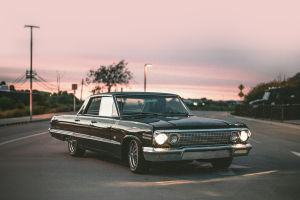
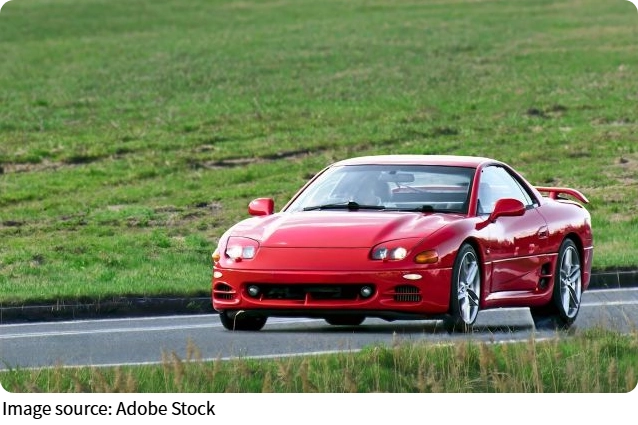
I was walking through a weekend car fair when I heard that unmistakable growl—a deep, rumbling engine from a 1960s coupe that turned every head around.
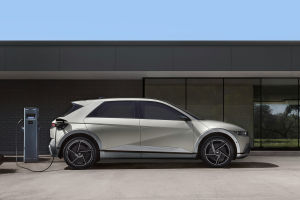
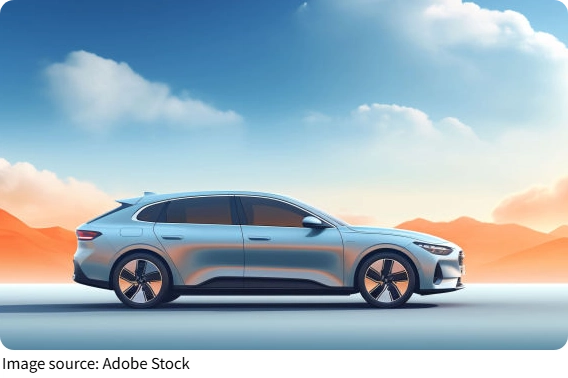
A few steps away, a sleek electric sedan hummed in silence, its owner proudly pointing at the touchscreen dashboard.
Two worlds, side by side—one roaring with history, the other humming with the future. That moment summed up today's automotive dilemma perfectly: the clash between classic car passion and the unstoppable rise of electrification.
The Heartbeat of Vintage Cars
Collectors often say owning a classic car isn't about convenience—it's about emotion. These vehicles carry stories, not just horsepower.
Tangible craftsmanship. Vintage cars were built by hands, not algorithms. Each curve, lever, and leather seat tells a human story. You can almost feel the pride of the people who designed and assembled them.
Mechanical intimacy. Driving a classic means understanding its moods—warming up the engine on a cold morning, tuning the carburetor just right. You don't just drive it; you collaborate with it.
A moving time capsule. Every ride feels like stepping into another era. The wooden steering wheel, the analog dials, even the smell of the interior—it's nostalgia on four wheels.
For many collectors, this bond isn't about practicality. It's about preserving a feeling—one that modern cars, however advanced, can't quite replicate.
The Wave of Electrification
Yet, the road ahead is changing faster than anyone imagined. The electric revolution isn't a trend—it's the future. Governments, manufacturers, and consumers are all steering in the same direction.
Regulation reshaping reality. Emission limits are tightening, and in some cities, old combustion engines face outright bans. What used to be a weekend drive might soon require special permits.
The rise of silence. Electric vehicles deliver instant torque, whisper-quiet movement, and near-zero emissions. But for those who grew up loving the growl of an engine, that silence feels like losing a voice they've known for decades.
Environmental urgency. The need for cleaner transportation is undeniable. Electrification promises less pollution and a sustainable future, even if it means rewriting decades of automotive tradition.
This shift leaves vintage car lovers torn—caught between admiration for innovation and fear of becoming obsolete.
Finding Common Ground
Instead of clinging to the past or abandoning it, many enthusiasts are now looking for balance—a way for both eras to share the same road.
Electric conversions for classics. A growing trend is transforming old models into clean, electric versions while keeping their vintage charm. Imagine a 1965 Mustang that still looks and feels classic but glides silently through city streets.
Hybrid exhibitions and events. Car shows now feature both electric pioneers and retro icons, celebrating progress while honoring heritage. It's not a battle—it's a dialogue between eras.
Responsible preservation. Some collectors drive their vintage cars less, focusing on maintenance, restoration, and museum preservation. This way, history remains alive without conflicting with modern environmental goals.
These examples show that tradition and innovation don't have to cancel each other out—they can actually inspire one another.
Beyond Machines—The Spirit That Connects
What makes people love cars, whether vintage or electric, isn't just the machinery—it's the emotion behind it.
Authentic expression. For some, restoring an old car is a form of art; for others, designing the next-generation EV is their creative outlet. Both are driven by passion.
Shared community. Classic car owners and EV enthusiasts may seem worlds apart, yet both gather at meets, share advice online, and celebrate their rides with pride.
Progress through memory. Every innovation builds on history. The electric cars of tomorrow wouldn't exist without the engineering lessons of the past. The line between old and new isn't a wall—it's a bridge.
When Emotion Meets the Future
As I left that car fair, the sunlight hit the chrome of a vintage hood just as an electric SUV rolled by in near silence. The contrast was beautiful—not a rivalry, but a reflection of evolution.
Maybe the question isn't "Which one will win?" but "How can both coexist?" The answer lies in appreciation—cherishing the craftsmanship of the past while embracing the responsibility of the future.
As the automotive world accelerates toward an electrified horizon, the legacy of vintage engines won't vanish—it will evolve. The roar of a V8 and the whisper of a motor are simply different dialects of the same language: freedom.
By choosing appreciation over division, drivers can honour the past without fearing the future. The road is long enough for both; one lane for nostalgia, one lane for progress. Ultimately, the best car isn't defined by its power source, but by the smile it puts on your face.
Popular
Car Care Tips for Hot Summer
Summer heat can really take a toll on your car. Here's how to keep it safe, cool, and running smoothly all season long.
Winter Car Care Tips
Cold weather can be tough on your car. Here's what you really need to know to keep your ride safe all season long.
Make Your Tires Last Longer
Simple, consistent care habits can dramatically extend your tire life and keep every drive feeling safe and smooth.
How Often to Check Brakes
Your brake system is one of the most important safety features on your car. Here is how often you should check it.