Switching Motor Oil Brands
Switching Motor Oil BrandsPosted by Declan Kennedy on 30-07-2026

Funny Facts
When it comes to your car's engine, one of the most important maintenance tasks is changing the oil regularly.
A common question many drivers ask is whether switching motor oil brands can harm the engine. In most cases, changing brands is perfectly safe as long as the new oil meets the correct specifications for the vehicle.
Understanding what matters when selecting engine oil can help maintain smooth performance and long-term reliability.
What Really Matters in Engine Oil?
Engine oil is more than just a lubricant. Different oils use different base oils and additive packages designed to reduce wear, keep the engine clean, and maintain performance over time. The key factor is not the brand itself, but whether the oil matches the requirements specified for the engine.
Important factors include:
- Base oil type: Synthetic oils generally perform better in extreme temperatures and provide improved protection during cold starts and high-heat operation.
- Additive package: Engine oils contain detergents, anti-wear agents, and friction modifiers. Oils that meet the same industry and vehicle specifications are generally suitable for normal use.
Is It Safe to Switch Oil Brands?
Yes. Engines do not become dependent on a particular oil brand. If the new oil has the correct viscosity and meets the required specifications, switching brands is normally safe.
To do it properly:
- Check the owner's manual for the recommended viscosity grade, such as 5W-30.
- Use the required oil type if the manufacturer specifies synthetic or conventional oil.
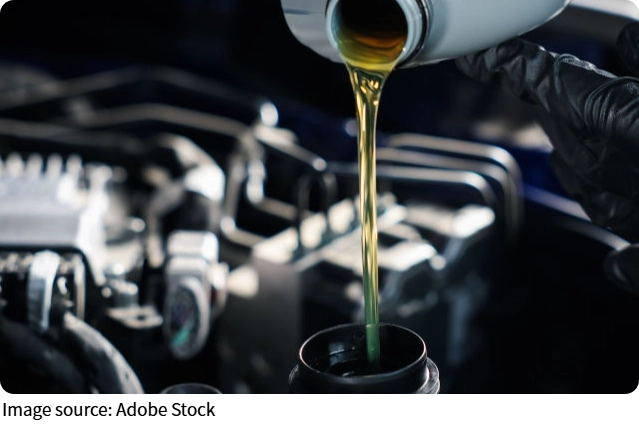
- Perform a complete oil and filter change rather than simply topping off with a different product.
Do You Need to Change Brands?
If the current oil is performing well and the engine is operating normally, there is usually no need to change brands. A different oil may be considered if it better suits your driving conditions, climate, or maintenance preferences.
Situations where a change may be considered:
- Seeking better performance in very hot or very cold weather.
- Wanting longer service intervals when approved for the vehicle.
- Addressing oil consumption concerns while still using the correct specifications.
Why Manufacturer Specifications Matter
Vehicle manufacturers determine oil requirements through extensive testing based on engine design, operating temperatures, and durability standards. Using an oil that does not meet the required specification may reduce the level of protection the engine was designed to receive.
Possible effects of using the wrong oil include reduced fuel efficiency, increased deposits, and less effective lubrication under certain operating conditions.
Practical Tips for Switching Oil
If you decide to switch to a different motor oil, follow these steps for a smooth transition:
- Confirm that the new oil matches the recommended viscosity and specification.
- Drain the old oil completely and replace the oil filter.
- Fill with the correct amount of new oil.
- Check the oil level after driving and monitor normal engine operation.

Switching motor oil brands is generally safe when the new oil matches the viscosity and specifications recommended for your vehicle. The most important factors are using a high-quality oil that meets the correct standards and changing it at the proper intervals. By following the owner's manual and performing a complete oil and filter change, you can maintain smooth engine performance, reliable lubrication, and long-term engine durability.
Popular
Car Care Tips for Hot Summer
Summer heat can really take a toll on your car. Here's how to keep it safe, cool, and running smoothly all season long.
Winter Car Care Tips
Cold weather can be tough on your car. Here's what you really need to know to keep your ride safe all season long.
Make Your Tires Last Longer
Simple, consistent care habits can dramatically extend your tire life and keep every drive feeling safe and smooth.
How Often to Check Brakes
Your brake system is one of the most important safety features on your car. Here is how often you should check it.