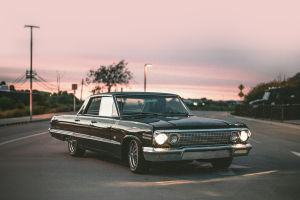
Protect Leather Seats
Protect Leather SeatsPosted by Mariana Silva on 30-07-2026

Funny Facts
Leather seats add comfort, style, and a premium feel to a vehicle. However, constant exposure to sunlight, heat, dust, and everyday use can gradually cause fading, dryness, and cracking. Without proper care, even high-quality leather can lose its smooth appearance over time.
The good news is that preserving leather seats does not require expensive treatments or complicated maintenance. A few consistent habits can help protect the material, maintain its softness, and keep the interior looking refined for many years.
Why Leather Ages Over Time
Leather is a durable natural material, but it is still affected by environmental conditions and regular use. The most common causes of wear are sunlight, heat, moisture, and the buildup of dirt and body oils.
Sunlight and UV Exposure
Ultraviolet rays can gradually dry out leather and fade its color. Vehicles parked in direct sunlight for long periods are especially vulnerable to premature aging and surface cracking.
Heat and Moisture
High temperatures inside a parked car can reduce the leather’s moisture balance, making it feel dry and less flexible. Excess moisture from humidity or spills can also increase the risk of stains and surface damage if it is not removed promptly.
Dirt and Body Oils
Dust, dirt, and oils from clothing and skin slowly accumulate on the seats. Over time, this buildup can dull the finish and affect the overall appearance of the leather.

How to Protect Leather Seats
Clean the Seats Regularly
Routine cleaning is the foundation of leather care. Use a cleaner specifically designed for automotive leather to remove dust, oils, and light stains. Cleaning the seats about once a month is usually sufficient for most vehicles.
Apply the cleaner with a soft microfiber cloth and avoid scrubbing aggressively, as excessive friction can wear down the surface.
Condition the Leather
After cleaning, apply a quality leather conditioner. Conditioning helps maintain flexibility, reduces dryness, and supports the leather’s smooth texture. Choose a product intended for automotive leather rather than general household leather products.
Allow the conditioner to absorb fully before using the seats.
Reduce Sun Exposure
Whenever possible, park in a shaded area or inside a garage. If direct sunlight cannot be avoided, use a windshield sunshade to help reduce heat and UV exposure inside the vehicle.
Keep the Interior Dry
Spills should be wiped up immediately with a clean, absorbent cloth. Avoid allowing moisture to remain on the leather for extended periods, and let the area air dry naturally.
Vacuum the Seats
Regular vacuuming removes dust and small particles that can cause abrasion. Use a soft brush attachment to clean seams and creases without scratching the surface.
What to Avoid
Harsh Cleaning Products
Bleach, ammonia-based cleaners, and strong detergents can damage the protective coating on leather and affect its color and texture.
Excessive Cleaning
Overcleaning or using too much product can leave residue and may contribute to dryness. Clean the seats when needed rather than excessively.
Prolonged Moisture
Leather should not remain wet for long periods. If the seats become damp, dry them thoroughly with a soft towel and allow natural airflow to finish the process.
Products for Other Materials
Cleaners intended for vinyl, plastic, or fabric may not be suitable for leather. Using leather-specific products is the safest approach for long-term care.
Long-Term Maintenance Tips
Inspect the Seats Periodically
Check for small cracks, scuffs, or areas of wear. Addressing minor issues early can help prevent more noticeable damage later.
Use a Leather Repair Kit for Minor Damage
Small scratches or surface imperfections can often be improved with a leather repair kit when used carefully according to the instructions.
Apply UV Protection
A leather protectant with UV protection can help reduce fading and drying, especially in vehicles that spend significant time outdoors.

Well-maintained leather seats can remain attractive and comfortable for many years. Regular cleaning, proper conditioning, protection from sunlight, and quick attention to spills are the key habits that make the greatest difference.
Consistent care is more effective than occasional intensive treatment. By protecting the leather before visible damage appears, you can preserve the interior’s premium appearance, improve comfort, and help maintain the long-term value of your vehicle.
Popular
Car Care Tips for Hot Summer
Summer heat can really take a toll on your car. Here's how to keep it safe, cool, and running smoothly all season long.
Winter Car Care Tips
Cold weather can be tough on your car. Here's what you really need to know to keep your ride safe all season long.
Make Your Tires Last Longer
Simple, consistent care habits can dramatically extend your tire life and keep every drive feeling safe and smooth.
How Often to Check Brakes
Your brake system is one of the most important safety features on your car. Here is how often you should check it.