Balcony Planting Details
Balcony Planting DetailsPosted by Sofia Alvarez on 28-07-2026
On Trend
Hi, Readers! A balcony full of plants can look effortless, but the little details are usually what shape the result.
Light shifts through the day, containers dry out faster than expected, and wind can stress leaves and roots even when everything seems fine at first glance. Many people focus on choosing pretty plants, yet the daily growing conditions on a balcony matter far more.
Paying attention to those easy-to-miss points can make planting simpler and far more successful.
Light is more complex than it looks
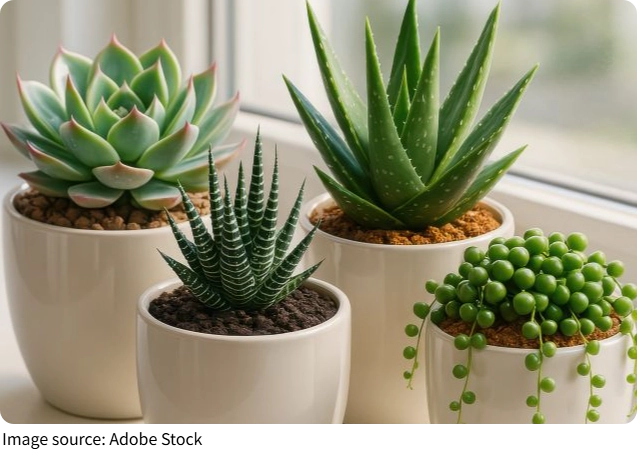
One easy-to-miss point is that balcony light is usually uneven. Nearby buildings, railings, and walls can cast shifting shade, so some spots get only brief direct sun while others get strong reflected light. Watching the balcony at different times of day helps you place plants in the right sunny, partial-shade, or shaded spots.
Wind changes everything
Balconies are often more exposed than ground-level gardens, and wind is easy to underestimate. It can tear leaves, bend stems, and make containers lose moisture very quickly. Tall plants may also become unstable if their containers are too light. A practical response is to choose sturdy containers, group plants to create some shelter, and place delicate varieties in more protected corners.
Climbers and taller specimens may need support, especially where air movement is constant. Even a healthy plant can decline if wind stress continues day after day.

Containers need more thought
Container choice is another detail that often gets ignored. Small containers dry out fast and leave little room for roots, while very large ones can become hard to move and may hold too much moisture if drainage is poor. Pots must have drainage holes, and saucers should not leave roots standing in water for long periods.
The weight of containers also matters on a balcony, especially after watering. Choosing containers that suit both the plant and the space makes ongoing care much easier.
Watering is not just about frequency
Many balcony plant problems come from uneven watering rather than simply too much or too little. Because balconies can be hot, breezy, and exposed, compost may dry out quickly, sometimes faster than expected.
At the same time, shaded corners may stay damp for longer. Instead of watering everything on the same schedule, it is better to check the compost and respond to each container's condition. In warm periods, plants in smaller pots may need more frequent attention. Good drainage remains essential, since roots need both moisture and air.
Compost and feeding matter in containers
Plants growing in containers depend entirely on the compost and nutrients provided to them. This is easy to forget because potted displays may look fine at first. Over time, though, nutrients are used up and growth can slow.
Using a suitable compost for container growing gives plants a better start, and regular feeding during active growth helps maintain flowers and foliage. Refreshing the top layer of compost or repotting when roots fill the container can also improve plant health.
Maintenance should be realistic
A final overlooked detail is maintenance. A crowded balcony may look good, but if access is tight, watering, trimming, and checking plants becomes harder. Leave room to move pots and reach every corner, and choose plants that fit the time you can give them.
A healthy balcony garden often depends more on small practical choices than big design ideas. If you pay attention to light, wind, container size, watering, and access, your plants are far more likely to thrive.
Popular
Care for Air Plants
Simple ways to help indoor air-purifying plants stay healthy and fresh at home
Rose Care Made Easy
Simple ways to help roses thrive and stay healthy through every season
Potting Soil Basics
Simple tips for choosing the right mix and knowing when and how to refresh it
Indoor Plants & Care Tips
Learn essential care for snake plants, pothos, spider plants, and more to keep your indoor greenery thriving.