Build a Plant Corner
Build a Plant CornerPosted by Santosh Jha on 28-07-2026
On Trend
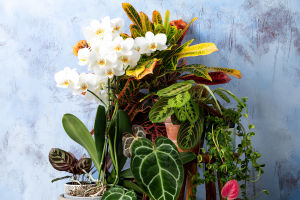
Hello, Lykkers! A good plant corner does not come from simply placing a few planters together.
What makes it feel rich and inviting is layering. When plants are arranged with different heights, leaf sizes, textures, and container styles, even a small area can look full of depth and rhythm.
The effect feels natural, relaxed, and much more interesting than a flat row of matching pots.
Start With the Tallest Plant
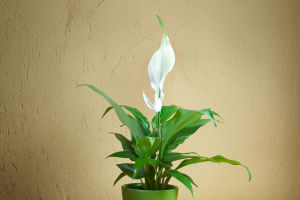
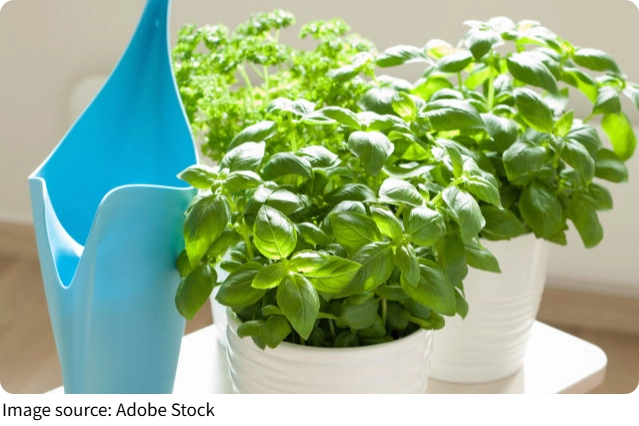
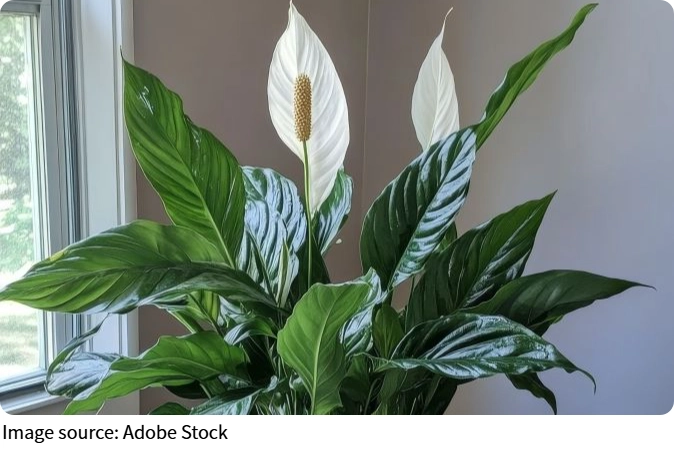
A layered plant corner usually works best when you begin with the tallest piece. This plant acts like an anchor and gives the whole arrangement structure. It can stand on the floor in the back or to one side, depending on the shape of the space and where the light falls.
A larger plant with a strong vertical form helps set the scale, and it gives the eye a clear starting point. Once that main plant is in place, the rest of the grouping becomes much easier to build around.
Add Mid-Level Plants for Fullness
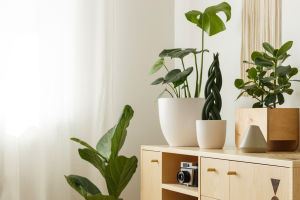
After the tallest plant is placed, the next step is to bring in medium-height plants. These fill the empty visual space between the floor and the highest leaves. This middle layer is what often makes the corner feel complete rather than sparse. Try mixing upright forms with wider, softer shapes so the arrangement does not feel too rigid.
If every plant is the same height and spread, the whole corner can look static. A bit of variation creates a more natural flow.
Use Small Plants in Front
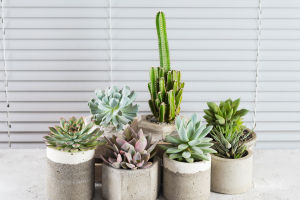
The front layer is where smaller planters do a lot of work. These lower plants add detail and invite a closer look. They can sit directly on the floor, on low stools, or on small stands to create subtle shifts in level. This part of the arrangement helps connect the larger plants to the surrounding room. Small plants are also useful for filling awkward gaps and softening the edges of the display. When placed carefully, they make the whole grouping feel denser without making it look crowded.
Mix Leaf Shapes and Textures
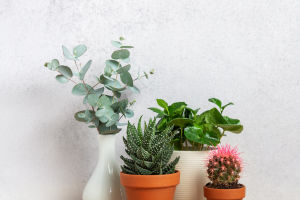
A rich plant corner depends on contrast as much as quantity. If every plant has the same kind of leaf, the arrangement may look neat but not especially layered. Try combining broad leaves with narrow ones, smooth surfaces with ruffled or delicate textures, and upright growth with trailing forms. These differences make each plant stand out while still working together as one composition. The goal is not to make everything match, but to make the whole corner feel balanced and visually alive.
Vary the Planters and Stands
Containers matter more than many people expect. Using planters of different sizes, heights, and finishes helps build another layer of visual interest. A floor planter, a raised stand, and a small tabletop container can create movement without changing the plants themselves. It is usually better to keep some connection between the containers, such as a similar material, shape, or color range, so the arrangement still feels cohesive. Too much sameness looks flat, but too much contrast can feel messy.
Work With Light and Space
A plant corner should look good and still work for the plants. Keep taller plants from blocking light, leave some space between pots, and avoid crowding. A layered arrangement works best when it has fullness, contrast, and breathing room. Start high, fill the middle, soften the front, and adjust until it feels balanced.
Popular
Care for Air Plants
Simple ways to help indoor air-purifying plants stay healthy and fresh at home
Rose Care Made Easy
Simple ways to help roses thrive and stay healthy through every season
Potting Soil Basics
Simple tips for choosing the right mix and knowing when and how to refresh it
Indoor Plants & Care Tips
Learn essential care for snake plants, pothos, spider plants, and more to keep your indoor greenery thriving.