Why Plant Placement Matters
Why Plant Placement MattersPosted by Caleb Ryan on 28-07-2026
On Trend
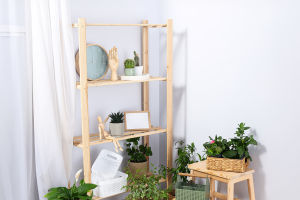
Hello, Lykkers! A houseplant can look healthy in one corner and struggle just a few steps away, and that is exactly why placement matters more than many people expect.
Light levels shift across a room, air movement changes near windows and doors, and heat sources can dry leaves or soil faster than expected. Even a beautiful plant can decline if it sits in a spot that does not match its needs.
Good placement is not just about decoration. It directly shapes growth, leaf quality, watering rhythm, and long-term survival.
Light changes everything
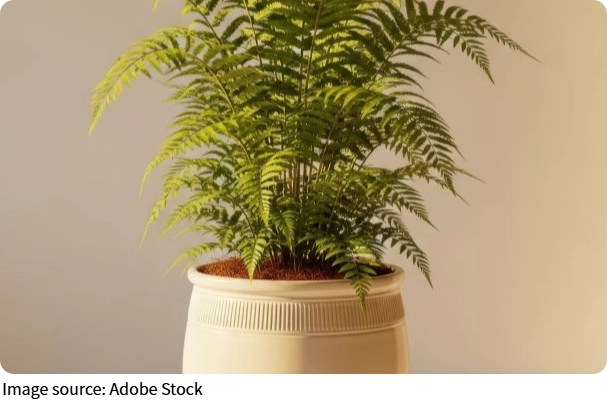
Light matters most. A spot near a window is much brighter than one farther away, and window direction changes the strength too. Some plants want strong light, while others need gentler light to avoid leaf burn. If a plant gets leggy, slow, or pale, it may need more light. If leaves look bleached or crispy, it may be getting too much sun.
Temperature and drafts matter too
Placement also affects temperature stability. A plant beside a heater, radiator, air conditioner, or frequently opened window may face sudden shifts that create stress. Warm air can dry the compost quickly, while cold drafts may damage sensitive leaves.
Many indoor plants prefer a steady environment rather than repeated changes through the day. That means a stylish spot near a doorway is not always the best practical choice. A stable area with moderate warmth often supports better growth than a dramatic but inconsistent location.
Humidity and air flow shape leaf health
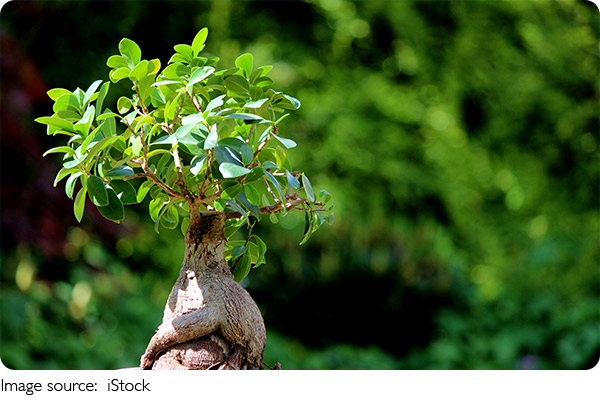
Many people focus only on light, but humidity and ventilation also play a major role. Some plants handle dry indoor air quite well, while others develop brown tips when humidity is too low. Bathrooms and kitchens can suit certain moisture-loving plants because the air is often more humid there.
At the same time, poor air movement can encourage disease problems, so plants should not be packed too tightly together. The goal is balance: enough moisture in the air for comfort, with enough circulation to keep leaves in good condition.
Watering depends on where the plant sits
A plant’s location changes how quickly soil dries, which means placement affects watering far more than many beginners realize. A plant in bright light and warm air usually needs water more often than one in a cooler, shadier area.
If two identical plants are kept in different spots, they may need completely different care. This is why fixed watering schedules often fail. It makes more sense to check the compost and observe the plant in its actual setting. Placement and watering always work together.
Room use and safety also count
Practical placement is about people as well as plants. A large container in a narrow walkway can be awkward, and a trailing plant above constant movement may get damaged. It also helps to keep plants where you can easily observe them, because early signs of stress are easier to catch when the plant is part of daily life.
Cleaning, turning the container for even growth, and checking leaves all become simpler when the position is convenient. The best place is often one that supports both plant health and easy routine care.
Choose the plant for the place
Choosing the right plant starts with choosing the right spot. Light, temperature, airflow, and room conditions all affect how well a plant will grow. When a plant is placed well, it usually needs less fixing and grows more steadily. If a plant seems unhappy, moving it can make a big difference.
Popular
Care for Air Plants
Simple ways to help indoor air-purifying plants stay healthy and fresh at home
Rose Care Made Easy
Simple ways to help roses thrive and stay healthy through every season
Potting Soil Basics
Simple tips for choosing the right mix and knowing when and how to refresh it
Indoor Plants & Care Tips
Learn essential care for snake plants, pothos, spider plants, and more to keep your indoor greenery thriving.