Self-Driving Tech
Self-Driving TechPosted by Pardeep Singh on 21-07-2026

Funny Facts
You're sitting comfortably in the driver's seat, sipping your coffee, as the car smoothly accelerates down the highway—without you touching the wheel.
It might sound like something straight out of a sci-fi movie, but it's the future of driving.
Autonomous vehicles (AVs) are quickly moving from prototypes to real-world applications, and they're not just changing how we drive—they're transforming the entire automotive industry.
From manufacturing processes to service models, self-driving technology is triggering profound shifts in the way cars are made, sold, and serviced.
This isn't just about convenience; it's a revolution that could redefine mobility for decades. But how exactly is the car industry responding to these changes? Let's explore the ways autonomous technology is impacting car manufacturing and services.

Redefining Car Manufacturing
As autonomous vehicles become a reality, automakers are rethinking how they produce cars. The rise of self-driving technology is pushing companies to innovate at an unprecedented pace, altering both the design and production processes.
New Design Requirements
The design of autonomous vehicles is fundamentally different from traditional cars. AVs don't need the same driver-centric features—like a steering wheel or pedals—that have been central to car design for over a century. Instead, the focus shifts to passenger comfort, safety features, and sophisticated sensor systems.
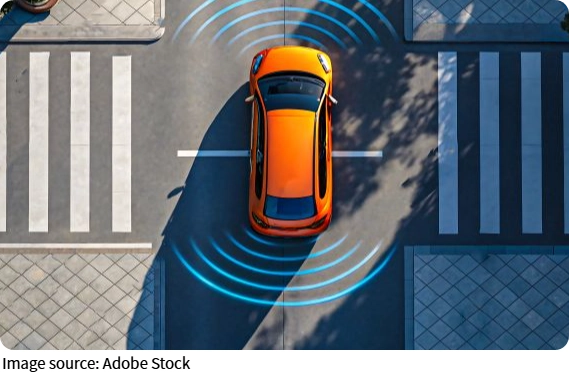
For example, self-driving cars require advanced radar, LIDAR, and cameras for navigation, leading manufacturers to develop new ways to integrate these technologies seamlessly into the vehicle's structure.
Automation in Production
As self-driving cars involve cutting-edge technologies, the production process itself is undergoing significant automation. Robotics is becoming increasingly common on factory floors, not only to speed up assembly lines but also to handle the complex tasks of installing sensors and high-tech systems in vehicles. For example, Tesla's Gigafactories are equipped with highly automated processes that allow for the precise integration of AV components.
Modular Manufacturing
Another shift brought about by autonomous vehicles is the move toward more modular manufacturing. Modular vehicles can be customized with different sensor suites, battery configurations, and user interfaces, making them more adaptable to evolving autonomous technology. This flexibility is crucial as AV technology advances and car manufacturers need to stay agile in an increasingly competitive market.
Shifting Service Models in the AV Era
Self-driving technology doesn't only impact the cars themselves; it's changing the entire service model for the automotive industry. From how vehicles are sold to how they are maintained, the entire customer experience is evolving.
Subscription and Shared Mobility
One of the most significant changes is the rise of shared mobility services. Instead of owning a car, customers may subscribe to a fleet of autonomous vehicles. This model allows individuals to use self-driving cars on-demand, paying only for the time they need.
Companies like Waymo and Cruise are already experimenting with driverless ride-hailing services, where passengers can summon an AV without a human driver. This shift is especially appealing to urban dwellers, who may no longer want to commit to the cost and hassle of car ownership.
Over-the-Air Updates
Another game-changer is the ability for autonomous cars to receive over-the-air (OTA) software updates. Just like smartphones, self-driving cars will be able to download new features or safety improvements remotely, without needing to visit a dealership. Tesla has already pioneered this technology, rolling out regular updates that enhance vehicle performance and safety without requiring a trip to the service center.
Reduced Need for Physical Dealerships
With the increasing demand for online car purchases and the rise of autonomous vehicles, traditional car dealerships may soon become less relevant. Instead, customers could purchase or lease cars directly from automakers' websites, bypassing the dealership model entirely.
In fact, companies like Tesla have already disrupted the traditional dealership system by offering direct-to-consumer sales. As autonomous vehicles become more prevalent, automakers may lean even more heavily into direct sales models.
The Impact on After-Sales Services
When it comes to after-sales services, the rise of self-driving cars is likely to introduce new demands and opportunities for service providers.
1. Advanced Maintenance and Repairs
Autonomous vehicles will require highly specialized maintenance and repair services, particularly when it comes to their advanced sensors and onboard systems.
As AVs become more commonplace, mechanics will need to be trained in the specific needs of these vehicles, from recalibrating sensors to replacing complex electrical components. This shift will likely lead to the emergence of new service centers dedicated exclusively to autonomous vehicles.
2. Predictive Maintenance
With their built-in sensors and constant data streaming, AVs will be able to predict when maintenance is needed before a failure occurs. For instance, self-driving cars could alert their owners or fleet managers about tire pressure issues, worn brake pads, or even software glitches. This predictive maintenance model will help reduce downtime and improve vehicle longevity, allowing for more efficient fleet management in shared mobility services.
3. Remote Diagnostics
Through connected systems, AVs will allow for remote diagnostics, enabling service providers to assess and resolve many issues without a physical visit. This is similar to the way smartphones receive remote software diagnostics and updates.
With the ability to access real-time data from the vehicle's systems, technicians can troubleshoot and even fix issues without leaving their workspace, making service faster and more efficient.
A New Era for the Automotive Industry
The rise of autonomous driving technology is set to disrupt not only the cars we drive but also the entire automotive ecosystem. From how vehicles are designed and manufactured to how they are serviced and sold, self-driving cars are revolutionizing the way we think about transportation.
As automakers and service providers adapt to this new reality, we can expect to see continued innovation in manufacturing processes, customer service models, and maintenance systems. The future of the automotive industry is autonomous, and it's clear that the ride ahead will be a thrilling one.
Popular
Self-Driving Tech
How autonomous vehicles are reshaping car manufacturing and services
Autonomous Levels
From L1 to L5: What Each Level of Autonomy Means for Drivers
Cut Motorcycle Costs
Reduce maintenance costs with smart habits that improve reliability and extend motorcycle life
Car Registration Basics
Understand car registration, its importance, and the common steps and documents required