SUV Future Roadmap
SUV Future RoadmapPosted by Raghu Yadav on 21-07-2026
On Trend
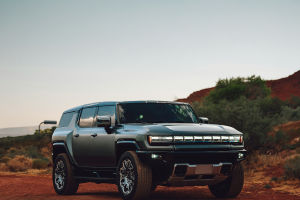
Hi, Readers! The SUV market is moving like a crowded highway at rush hour: busy, competitive, and full of sudden lane changes.
Once known mainly for size, height, and a go-anywhere image, SUVs now sit at the center of a much bigger shift.
Buyers want room, comfort, and confidence on the road, but they also want better efficiency, smarter features, and designs that fit city life instead of just muddy trails.
That means the future of SUVs is not about becoming bigger for no particular reason. It is about becoming more versatile, more refined, and much more tuned to everyday needs.
From rugged to flexible
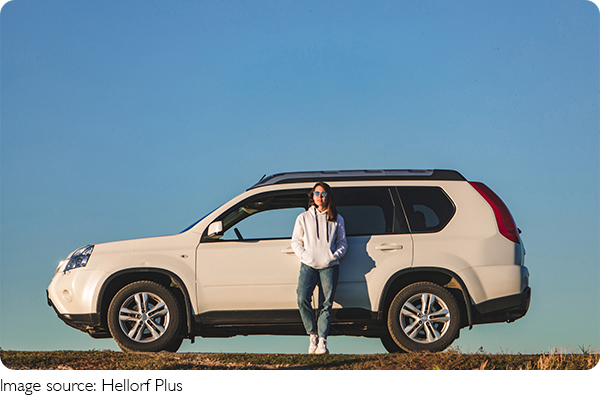
The SUV began as a vehicle type associated with off-road ability, higher ground clearance, and truck-like practicality. Over time, that identity stretched. Modern SUVs now cover a huge range, from compact city-friendly models to larger family-oriented vehicles with three rows of seating.
That widespreadness is a clue to the market’s future direction. Instead of one SUV formula, manufacturers are shaping many flavors of the same idea. Some models focus on easy parking and urban driving, while others lean into cargo space, family comfort, or premium interiors. The category keeps growing because it has learned a neat trick: it can wear hiking boots and house slippers at the same time.
Efficiency becomes a main event
A major pressure on the SUV market is efficiency. Traditional SUVs were often criticized for weight, fuel use, and size. That has pushed automakers to redesign platforms, improve aerodynamics, and reduce unnecessary bulk. Expect future SUVs to keep the high seating position people enjoy while becoming sleeker and more efficient underneath.
Smaller crossover-style SUVs are likely to remain especially important because they blend the visual appeal of an SUV with the road manners and efficiency of passenger cars. In other words, the market is steering away from the old tank-like image and toward something smarter and lighter on its feet.
Technology takes the front seat
The future SUV is also a rolling tech lounge. Buyers increasingly expect advanced driver assistance, large infotainment displays, camera systems, connectivity, and safety features that reduce stress in traffic and during parking. In this segment, technology is no longer a fancy extra tucked into a brochure. It is part of the main meal.
SUVs are often chosen as family vehicles, so convenience and safety features carry real weight in purchase decisions. This means the next phase of competition will not just be about horsepower or cargo room, but about how smoothly a vehicle fits into daily routines.
Design shifts toward city life
Even though the SUV still carries an adventurous image, many are used mostly on paved roads and in urban or suburban settings. That gap between image and real use is shaping future development. Expect more compact footprints, better visibility, easier entry, and interiors designed for commuting, shopping, school runs, and weekend trips.
Designers are likely to keep the bold stance people love while softening extremes that make vehicles cumbersome in tight spaces. It is a bit like wearing hiking gear to walk to a neighborhood cafe, except now the outfit is finally being tailored for the actual route.
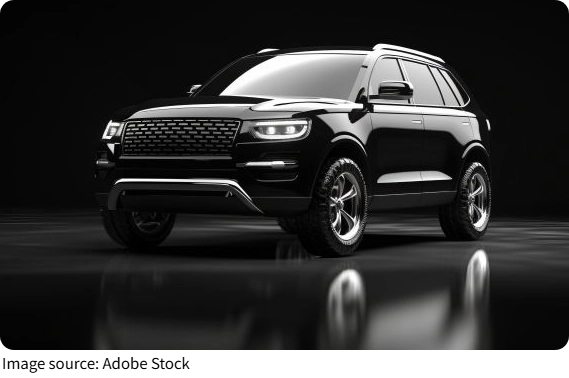
Market growth through specialization
Another key direction is specialization. The SUV label already includes crossovers, luxury models, performance-oriented versions, and utility-focused family vehicles. That spread will likely continue because buyers do not all want the same thing.
Some want premium comfort, some want practicality, and some want a compact model that simply makes them feel more confident behind the wheel. This pushes the market toward finer segmentation, where brands compete by targeting very specific lifestyles rather than trying to please everyone with one oversized template.
In the end, the future of the SUV market looks less like a single road and more like a busy interchange. The winning models will likely be the ones that balance comfort, practicality, efficiency, and easy-to-use technology without losing the confident character that made SUVs so popular in the first place.
If you are watching this market, keep an eye on one simple idea: the SUV of tomorrow will not just promise freedom; it will need to prove it fits real life.
Popular
Self-Driving Tech
How autonomous vehicles are reshaping car manufacturing and services
Autonomous Levels
From L1 to L5: What Each Level of Autonomy Means for Drivers
Cut Motorcycle Costs
Reduce maintenance costs with smart habits that improve reliability and extend motorcycle life
Car Registration Basics
Understand car registration, its importance, and the common steps and documents required