Supercar Rear Wing Explained
Supercar Rear Wing ExplainedPosted by Amit Sharma on 17-07-2026

Funny Facts
Have you ever looked at a supercar and wondered why there is a large wing on the back? At first glance, it may seem like a decoration that simply makes the vehicle look cooler.
In reality, this part, called a rear spoiler or rear wing, plays an important role in performance and handling.
Today, let's explore how this small piece of design helps a supercar stay stable, move smoothly, and deliver an exciting driving experience.
Creating Extra Downward Force
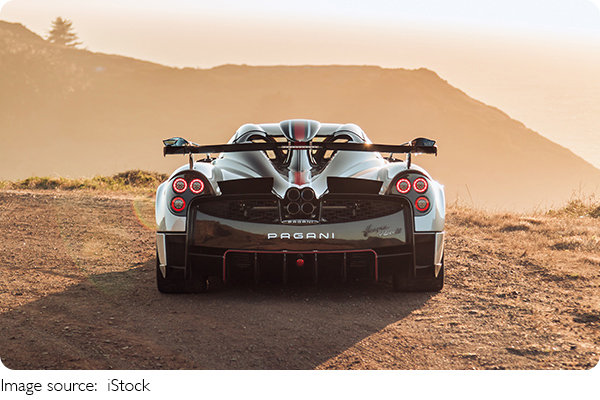
One of the biggest jobs of a rear wing is creating downforce. When we drive at high speed, air moves quickly around the body of the vehicle. This airflow can create lift, which is similar to what helps an airplane leave the ground.
A supercar does not want to become lighter at high speed. Instead, it needs stronger contact with the road. The rear wing pushes the vehicle downward by directing the airflow in a special way. This extra pressure increases tire grip and makes the vehicle feel more planted on the road.
For example, when a supercar travels at more than 150 km/h, even a small amount of lift can affect handling. A properly designed rear wing helps keep the rear tires firmly connected to the pavement.
Improving Stability During High-Speed Driving
Have you noticed that some vehicles begin to feel light or less steady as speed increases? High-performance vehicles are designed to avoid this feeling.
The rear wing adds stability by reducing unwanted movement from airflow. When we drive on highways or open roads, strong wind can influence the vehicle's balance. The extra downforce from the wing helps keep the vehicle steady and predictable.
This becomes especially important during quick lane changes or when driving through long curves. Instead of feeling nervous or unsettled, the vehicle remains more composed and easier to control.
Helping the Vehicle Turn Better
Cornering is one of the most exciting parts of driving a supercar. The rear wing contributes to better handling by increasing traction at the rear tires. When entering a fast corner, weight shifts around the vehicle. Without enough grip, the rear section can become less stable.
By pressing the rear tires more firmly onto the road surface, the wing allows the vehicle to maintain better balance during turns.
This is why many racing vehicles use large and adjustable rear wings. Even though road-going supercars usually have smaller designs, the principle remains the same: better grip leads to more confidence during cornering.
Reducing Air Turbulence
Another important function of the rear wing is managing airflow. As air passes over the body, it can create turbulence behind the vehicle. Turbulent air increases drag and can disturb the vehicle's balance.
Engineers carefully shape the rear wing to guide the air more efficiently. A smoother airflow pattern means less disturbance around the back of the vehicle. The result is a cleaner aerodynamic profile, which helps improve overall performance and creates a more refined driving experience.
Supporting Better Performance
Many people think that every rear wing is designed only to create downforce. In fact, engineers carefully balance downforce and drag. Too much drag can slow the vehicle and reduce acceleration. Too little downforce can reduce stability. Therefore, designers spend many hours testing different shapes and angles.
Some modern supercars even use active rear wings. These systems automatically change position according to speed and driving conditions. At lower speeds, the wing stays flatter to reduce drag. At higher speeds, it rises to create additional downforce and improve stability. This smart design allows the vehicle to perform efficiently in different situations.
More Than Just a Stylish Feature
There is no doubt that a large rear wing makes a supercar look dramatic and sporty. However, its appearance is closely linked to function. Every curve, angle, and size is carefully designed to improve aerodynamics. In many cases, removing the rear wing would actually reduce the vehicle's performance, especially during high-speed driving.
The rear wing is a perfect example of how engineering and design work together. It adds excitement to the appearance while also improving safety, stability, and handling.
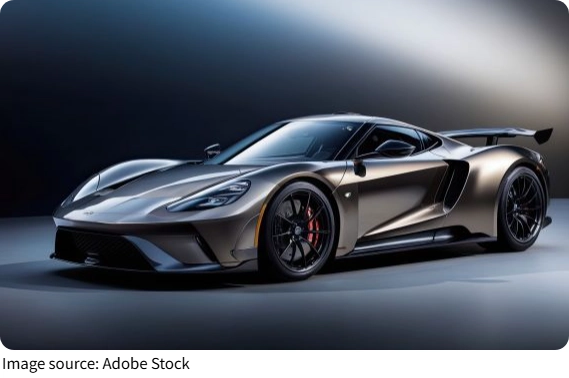
Lykkers, the next time we see a supercar with a large wing at the back, we will know that it is much more than an eye-catching accessory. It helps create downforce, improves grip, reduces turbulence, and keeps the vehicle balanced during high-speed driving and sharp turns.
Every detail on a supercar has a purpose, and the rear wing is one of the best examples of smart engineering. If you had the chance to drive a supercar, would you choose one with a giant rear wing or a sleek hidden spoiler? Share your thoughts and let's continue exploring the fascinating world of performance vehicles together!
Why Do Supercars Have Spoilers?
Video by Curious Ayman
Popular
Supercar Rear Wing Explained
Why Do Supercars Have Rear Wings? Discover How This Design Improves Speed, Stability, and Driving Performance!
Manual Transmission Tips
Why Does Your Car Stall When Starting? Discover Simple Tricks That Make Every Take-Off Smooth and Stress-Free!
Highway Supercars Mystery
Why Do We Rarely See Sports Cars Driving on Highways but Often Spot Them Riding on Transport Trucks?
Supercar Sound Icons
Some engines do more than perform! Which supercar has the most thrilling sound?