The Red Car Secret!
The Red Car Secret!Posted by Camille Dubois on 01-07-2026
Odd News
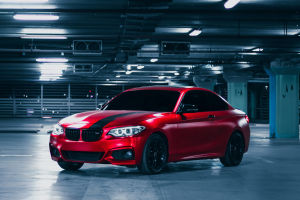
It’s great to see you, Lykkers! Imagine closing your eyes and picturing a dream sports car, and chances are a sleek machine finished in brilliant red comes to mind. Whether racing around a track or parked beneath city lights, a red sports car captures attention like few other colors can.
This connection is not just the result of clever marketing but also reflects psychology, history, and decades of motorsport tradition. The lasting appeal of red shows how color can shape emotions and make high-performance cars even more unforgettable.
The Psychology Behind Red
Color psychologists have long recognized that red triggers stronger emotional responses than almost any other color. Because it has the longest visible wavelength among common colors, red reaches the human eye quickly and naturally attracts attention.
Researchers have found that people often associate red with confidence, energy, excitement, and determination. These emotional responses likely developed through evolution, where the color signaled important information such as physical strength, heightened emotion, or potential danger.
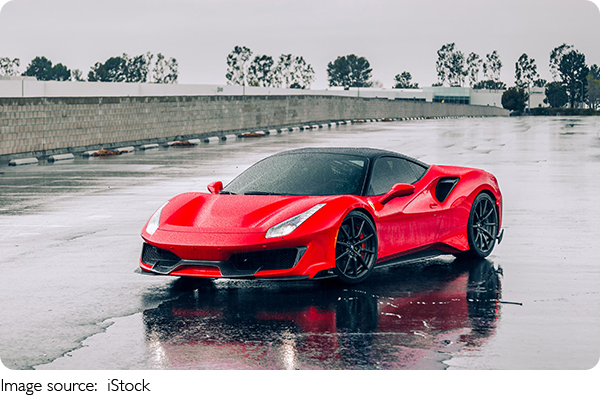
Sports car manufacturers benefit from these psychological associations. Even before the engine starts, a red vehicle creates an impression of speed and performance. The color influences perception, making the car appear more dynamic despite identical mechanical specifications.
A Color That Has Symbolized Power for Thousands of Years
Long before automobiles were invented, civilizations gave red powerful symbolic meaning. In ancient Egypt, red pigments appeared during celebrations and important public events, representing vitality, achievement, and protection. Artists frequently used the color when depicting strong male figures, emphasizing physical capability and leadership.
Centuries later, European Renaissance painters strategically dressed kings, nobles, and other influential figures in red garments. The color naturally directed the viewer's attention toward the most important subjects within a painting.
Many Asian cultures also associate red with positive values. In China, it traditionally represents prosperity, celebration, courage, and good fortune. In Japan, red has historically symbolized bravery and heroic spirit. Although these meanings developed independently across cultures, they consistently reinforce red as a color connected with confidence and achievement.
Racing History Made Red Legendary
The strongest link between red sports cars and performance comes directly from motorsport history. During the early twentieth century, international racing organizations assigned specific colors to competing nations. Italy eventually adopted Rosso Corsa, meaning "Racing Red," as its official motorsport color.
The tradition gained worldwide recognition after Italian race cars achieved remarkable success in international competition. As manufacturers such as Ferrari, Alfa Romeo, and Maserati built their reputations through racing victories, bright red became inseparable from Italian performance engineering.
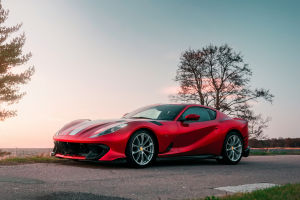
Even today, many people immediately associate Ferrari with Rosso Corsa despite the company offering numerous paint options. The racing heritage remains so influential that a red Ferrari often feels more authentic than any alternative finish.
Red Changes How Performance Is Perceived
Interestingly, color affects perception even when mechanical performance remains unchanged. Studies in consumer psychology have shown that people frequently describe red vehicles as appearing faster, more aggressive, and more exciting than identical models painted in neutral shades. Designers understand this effect well, which is why manufacturers often choose vibrant red for promotional photographs, advertisements, and vehicle launches.
Sports competitions reveal similar patterns. Research conducted by psychologists Russell Hill and Robert Barton during the 2004 Olympic Games found that athletes wearing red uniforms won slightly more often in certain combat sports than competitors wearing blue. While color alone does not determine success, it may subtly influence confidence and competitive behavior. These findings help explain why red continues to dominate the visual identity of performance-focused automobiles.
Modern Buyers Still Respond to Red
Although white, black, gray, and silver remain the most common vehicle colors worldwide because of resale value and maintenance considerations, red continues to occupy a special place within the sports car market. Performance vehicles are emotional purchases as much as practical ones. Buyers are often seeking excitement, individuality, and a memorable driving experience rather than simple transportation.
Market research has shown that sports car owners frequently choose bold colors to reflect the personality of the vehicle itself. Red communicates movement even when the car is standing still, making it a natural choice for models designed to emphasize speed and precision. For manufacturers, offering an iconic red finish also strengthens brand recognition, particularly for vehicles with strong racing heritage.
More Than Paint—A Statement of Identity
Choosing a vehicle color is often an expression of personal taste, but with sports cars, it can also represent an appreciation for automotive history. A red sports car carries visual references to legendary racing victories, psychological energy, and decades of performance engineering.
It connects modern drivers with traditions established more than a century ago on some of the world's most demanding race circuits. That combination of emotional appeal and historical significance explains why red has remained relevant despite constantly changing automotive design trends.
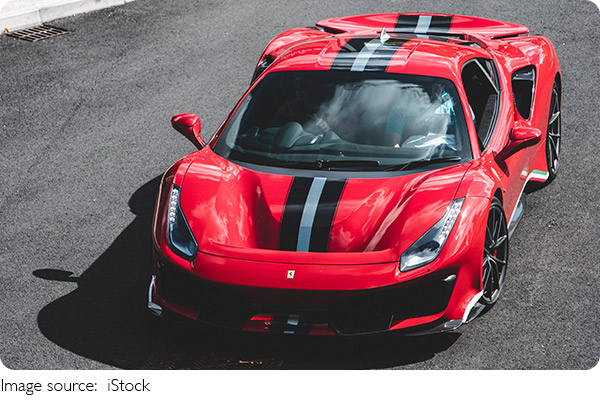
The popularity of red sports cars is far from accidental. It reflects a remarkable combination of human psychology, cultural symbolism, motorsport heritage, and visual impact. From ancient civilizations to modern racetracks, red has consistently represented strength, passion, courage, and action—qualities that perfectly match the spirit of a high-performance automobile.
Popular
EV Power Systems Explained
How Battery, Motor, and Control System Work Together
Sports Car Care Guide
How to maintain performance, safety, and long-term value through proper driving habits and expert maintenance
Engine Warning Light Causes
Common reasons it appears and what to do before costly repairs
How Racing Shapes Bikes
How motorcycle racing drives innovation in performance parts, safety systems, customization, and the global aftermarket industry