How Cars Sense the Road
How Cars Sense the RoadPosted by Amina Hassan on 30-06-2026

On Trend
Hi, Readers! Self-driving technology can sound like something tucked away in a far-off future, but it is already much closer to daily life than most people realize.
A self-driving car, also called an autonomous car, is a vehicle that can sense its surroundings and move with limited or no human input. What makes this feel so near is that many of the building blocks are already here.
Features like lane centering, adaptive cruise control, parking assistance, and traffic support have quietly introduced people to cars that can handle parts of the driving task on their own.
What Self-Driving Really Means
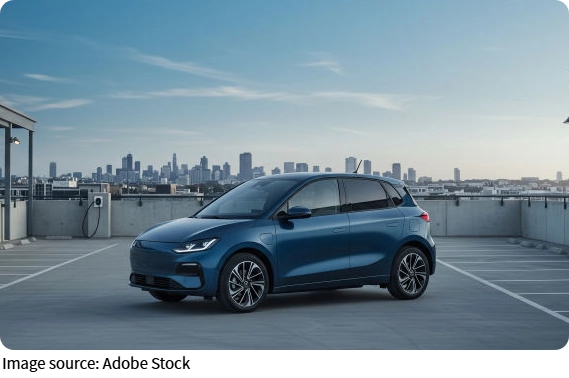
Self-driving technology is not just one single switch that turns a normal car into a fully independent one. It exists on a range of capability levels. Some systems can only assist with steering or speed, while more advanced systems aim to manage nearly all driving tasks in certain conditions.
This matters because a lot of people hear the phrase "self-driving" and picture a car doing everything, everywhere, all at once. In reality, the path has been gradual. Cars have been gaining sensors, cameras, radar, software, and mapping tools step by step, and that steady progress is what makes the technology feel so close now.
How Cars Sense the Road
To operate with less human input, these vehicles rely on a mix of technologies to understand the environment around them. Common tools include cameras, radar, lidar, satellite navigation, and detailed digital maps. Software then interprets all that information to identify lanes, road edges, signs, traffic lights, nearby vehicles, and people crossing the street.
The goal is to create a constantly updated picture of the world around the car. Even if a person never sits in a fully autonomous vehicle soon, many current vehicles already use parts of this sensing system to assist with safer, smoother driving.
Why It Feels Closer Now
One big reason self-driving technology feels near is that public road testing and limited real-world services have already happened in several places. That means this is no longer only a lab experiment or a concept shown at a car event. Companies and researchers have spent years refining systems through testing, collecting driving data, and improving how vehicles respond to complex situations.
At the same time, consumer cars have introduced more advanced driver-assistance features, helping people become familiar with the idea that a vehicle can monitor spacing, stay centered in a lane, or help avoid collisions.
What Still Makes It Hard
Even with real progress, full autonomy remains difficult because roads are messy and unpredictable. Weather, construction zones, faded lane markings, unusual intersections, and unexpected human behavior can all challenge a vehicle's system.
A car may perform very well in a controlled set of conditions but still struggle in situations that people handle with intuition and experience. There are also questions around safety standards, testing, software reliability, and legal responsibility. So while the technology is close in many ways, it is still being shaped by careful limits and ongoing improvement.
Where People Already Meet It
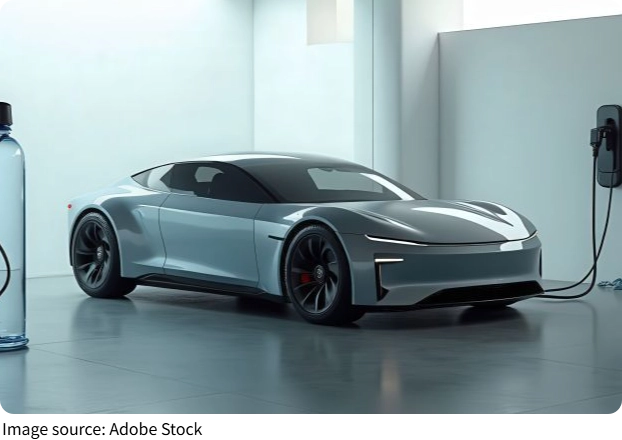
A lot of people have already encountered early forms of self-driving technology without calling it that. Highway driving assistance, automatic emergency braking, parking support, and stop-and-go traffic features are all part of the same larger shift. These tools do not replace the person in the driver's seat, but they show how automation has entered everyday transportation little by little.
That gradual arrival is exactly why this topic matters. The future is not appearing in one dramatic moment. It is arriving feature by feature, update by update, in ways that are easy to overlook.
In the end, self-driving technology feels closer than many people think because parts of it are already on the road, already helping, and already changing how vehicles operate. The fully independent car everywhere may still take time, but the path toward it is active and visible right now. If you have noticed cars doing more than they used to, you are not imagining it. The shift is already underway, and it is worth paying attention to where it goes next.
Popular
Sports Car Care Guide
How to maintain performance, safety, and long-term value through proper driving habits and expert maintenance
Engine Warning Light Causes
Common reasons it appears and what to do before costly repairs
How Racing Shapes Bikes
How motorcycle racing drives innovation in performance parts, safety systems, customization, and the global aftermarket industry
Battery Warning Signs
Most Drivers Miss These Early Battery Problems Until They're Left Stranded