Batteries Power the Future
Batteries Power the FuturePosted by Nolan O'Connor on 30-06-2026

On Trend
Hi, Readers! Electric vehicles have come a long way, but let’s be real, batteries are still the heart of the whole story.
They shape how far a car can go, how long charging takes, and how much the vehicle costs in the first place. A major shift is happening in battery technology, and it is not just about one flashy invention.
It is about better chemistry, smarter manufacturing, and stronger supply chains all moving at once. According to the International Energy Agency, batteries are becoming cheaper and more capable, and that is a big reason electric vehicles are reaching more people around the world.
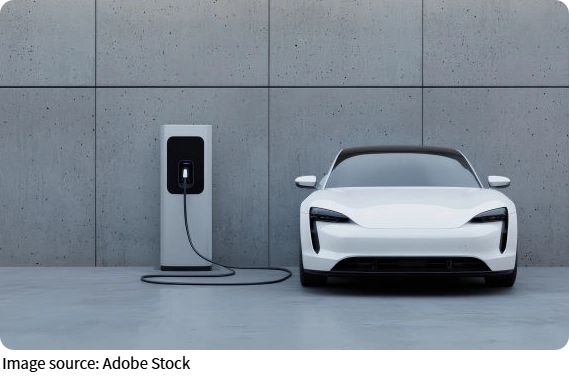
Why batteries matter so much
Battery packs are one of the most expensive parts of an electric vehicle, so even modest improvements can change the whole market. When battery costs come down, vehicle prices can become more accessible. When energy density improves, cars can travel farther on a single charge without needing oversized battery packs.
The IEA explains that battery demand has grown rapidly alongside electric vehicle sales, with the transport sector now driving much of that expansion. This matters because battery progress is no longer a side story. It is one of the main reasons the electric vehicle market keeps moving forward.
The chemistry shift changing the game
One of the clearest breakthroughs is the rise of lithium iron phosphate, often called LFP, alongside continued improvements in nickel-based batteries. LFP batteries are gaining ground because they can be less expensive and rely less on some costlier materials.
Nickel-based batteries still offer strong energy performance, which helps support longer driving range in many models. The important point is that the market is no longer leaning on only one chemistry. That flexibility gives carmakers more ways to balance price, range, and performance depending on what drivers actually need.
Lower costs, bigger impact
The IEA highlights that battery prices have fallen significantly over time, helping electric vehicles become more competitive. Cost declines come from several connected factors, including larger factories, manufacturing experience, technology improvements, and stronger competition.
These gains can ripple through the entire vehicle market. Lower battery costs can help bring down sticker prices, support more affordable models, and expand access beyond early adopters. For many households, that is the difference between electric driving feeling out of reach and feeling genuinely possible.
Charging and range are improving too
Battery progress is not only about price. It also affects convenience. Better battery design and performance can help support faster charging and greater driving range, two of the issues drivers think about most. While not every model improves in the same way, the broader trend is encouraging.
Carmakers are finding ways to pack more usable energy into batteries while also improving how systems manage heat, charging speed, and overall efficiency. That means the experience of owning an electric vehicle can feel easier and more practical in daily life.
Supply chains and recycling matter
A true battery breakthrough is not just what happens inside the cell. It also depends on where materials come from, how batteries are made, and what happens when they reach the end of their vehicle life. The IEA points to the growing importance of supply chain diversification, refining capacity, and recycling.
These areas can help reduce pressure on raw material demand and support a more resilient battery industry. In simple terms, the future of electric vehicles depends not only on better batteries, but also on building a cleaner and more dependable system around them.
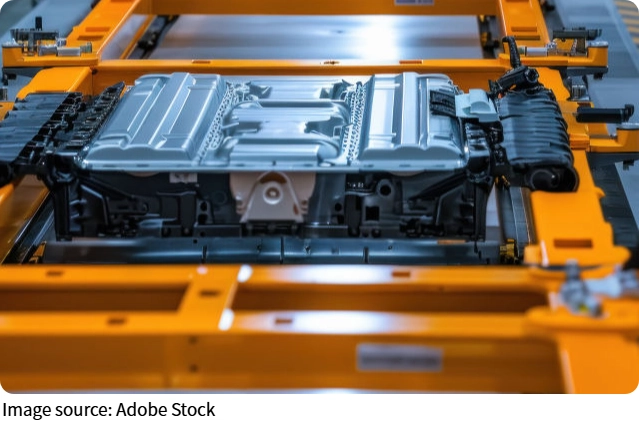
What this could change next
If battery costs keep falling and performance keeps improving, electric vehicles could become easier to buy, easier to live with, and appealing to a much wider range of drivers. That could influence everything from city commuting to long-distance travel and commercial transport.
The real breakthrough is not a single headline-grabbing moment. It is the steady progress that makes electric vehicles more useful, more scalable, and more normal in everyday life.
So, Lykkers, this battery shift could change everything not because it feels dramatic overnight, but because it quietly improves the things people care about most: price, range, charging, and reliability. If you have been waiting for electric vehicles to feel more practical, this is exactly the kind of progress worth watching closely.
Popular
Sports Car Care Guide
How to maintain performance, safety, and long-term value through proper driving habits and expert maintenance
Engine Warning Light Causes
Common reasons it appears and what to do before costly repairs
How Racing Shapes Bikes
How motorcycle racing drives innovation in performance parts, safety systems, customization, and the global aftermarket industry
Battery Warning Signs
Most Drivers Miss These Early Battery Problems Until They're Left Stranded