The Zebra Journey!
The Zebra Journey!Posted by Kwame Johnson on 11-06-2026
Wild Animals
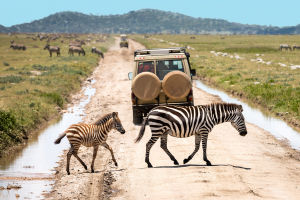
Welcome back, Friends! Across the vast African plains, enormous herds of zebras travel together in a breathtaking natural spectacle.
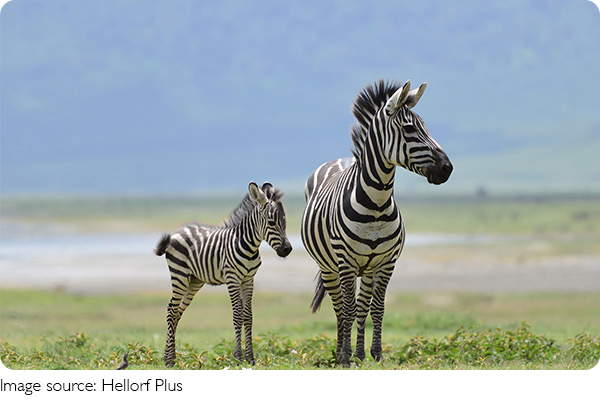
As they move, clouds of dust rise beneath their hooves while young foals stay close to their mothers for protection. The endless stream of black-and-white stripes can stretch across the landscape as far as the eye can see.
These journeys are driven by the search for fresh grass and reliable water sources. While the Great Wildebeest Migration of East Africa often receives global attention, many people are surprised to learn that zebras undertake one of the longest land migrations ever recorded among mammals in Africa.
Their journey is a powerful example of how wildlife responds to changing seasons and survives in challenging environments.
A Migration Driven by Rain and Grass
Unlike birds that migrate to avoid winter temperatures, zebras move in response to a more critical need: access to fresh grazing and reliable water. In Botswana, the year is divided into two distinct seasons. The dry months, generally from May to October, transform much of the landscape into a harsh environment.
Rivers shrink, waterholes disappear, and grasses lose much of their nutritional value. For large herbivores, remaining in one location becomes increasingly difficult. As conditions deteriorate, zebra herds begin moving toward regions where water remains available. Their movements are not random.
Over countless generations, they have developed migration routes that connect dry-season refuges with areas that become productive once seasonal rains arrive. This annual movement allows zebras to follow newly emerging vegetation while avoiding landscapes that can no longer support large populations.
The Extraordinary Journey Across Botswana
One of the most impressive zebra migrations occurs between northern Botswana and the Makgadikgadi region. Scientists have documented this route as one of Africa's longest mammal migrations.
During the prolonged dry season, many zebras gather in the northern wetlands, where rivers and floodplains continue providing water. As November approaches and storm clouds begin forming over the Kalahari, the animals start their southward trek.
The journey covers hundreds of kilometers across open grasslands, woodland patches, and semi-arid terrain. Guided by environmental cues that researchers are still studying, the herds travel toward the Makgadikgadi Salt Pans and nearby grasslands.
Although the salt pans appear barren for much of the year, seasonal rainfall dramatically transforms the region. Fresh grasses emerge across the plains, creating a temporary but highly productive feeding ground capable of supporting thousands of grazing animals.
Why the Makgadikgadi Pans Matter
The Makgadikgadi Pans are among the largest salt flats on the planet, covering an enormous area in northeastern Botswana. During the dry season, the landscape often appears lifeless, with cracked earth stretching toward the horizon. Everything changes when the rains arrive.
Water collects in shallow depressions, grasses rapidly grow, and the area becomes one of the most important seasonal habitats in southern Africa. For zebras, this transformation provides access to nutrient-rich forage that is unavailable elsewhere during the wet season.
The arrival of large zebra herds also attracts other species. Wildebeest, antelope, and giraffes frequently share these productive grazing grounds. In turn, predators such as lions, spotted hyenas, and cheetahs follow the movement of potential prey. This seasonal concentration of wildlife creates one of Africa's most dynamic ecosystems.
Survival Through Movement
Migration offers benefits that extend far beyond finding food. When thousands of zebras move across the landscape, grazing pressure becomes distributed over a larger area. This reduces competition within individual regions and prevents local resources from being depleted too quickly.
Traveling in large groups also improves security. Predators may target individual animals, but the sheer size of the herd makes it more difficult to isolate a victim. Many eyes and ears scanning the environment increase the likelihood of detecting danger before an attack occurs.
The migration additionally helps zebras access habitats that may have fewer parasites and better environmental conditions at different times of the year. By continually moving between seasonal ranges, they take advantage of resources that are only temporarily available.
A Different Migration from the Serengeti
Many people associate zebra migration with Tanzania's famous Serengeti ecosystem. There, large numbers of zebras travel alongside wildebeest in search of fresh grazing, often crossing rivers where crocodiles wait in ambush.
While the Serengeti migration is spectacular, Botswana's zebra migration is unique. Rather than following the same patterns seen in East Africa, these herds move between northern wetlands and the Kalahari region, responding directly to seasonal rainfall and changing vegetation.
Both migrations demonstrate the extraordinary ability of zebras to navigate vast landscapes and adapt to environmental changes, but each follows its own ecological rhythm.
Why Conservation Is Essential
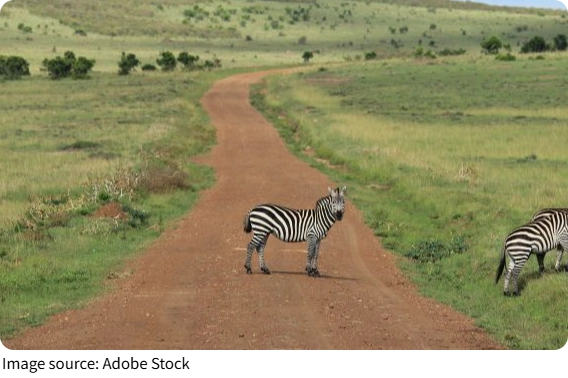
The success of zebra migration depends on open landscapes and connected habitats. Roads, fences, agricultural expansion, and other human developments can disrupt traditional routes that animals have used for generations. Conservation efforts in Botswana have played a crucial role in maintaining access to important migration corridors.
Protecting these pathways ensures that zebras can continue reaching seasonal feeding grounds and water sources. Safeguarding migration routes also benefits many other species that rely on the same ecosystems, helping preserve one of Africa's most extraordinary wildlife spectacles.
The zebra migration is far more than a seasonal movement from one place to another. It is a survival strategy refined over thousands of years, connecting distant landscapes through an ancient cycle of rain, grass, and instinct.
Popular
Horse Facts You Should Know
Discover surprising truths about horses, from their communication skills to intelligence and social behavior.
Domestic Cats Tips
From Diet to Health, Comprehensive Care for Your Average Housecat
The Zebra Journey!
Why travel hundreds of kilometers? The answer lies in water and fresh grazing!
Flying Frog: 5 Facts!
How can a frog glide through trees? These surprising facts will amaze you!