Koi's Favorite Zone
Koi's Favorite ZonePosted by Liam Reilly on 03-06-2026
Adorable Pets
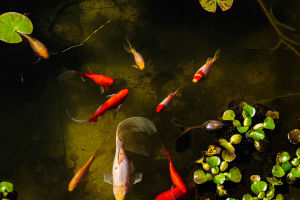
Hello, Friends! Have you ever noticed your koi spending most of their time near the waterfall instead of exploring the rest of the pond?
This common behavior is often linked to the unique conditions that waterfalls create, including increased oxygen and steady water movement.
Waterfalls also help influence temperature and circulation, making certain areas of the pond more attractive to fish. Understanding why koi gather there can provide useful clues about the health and balance of your pond environment.
The Attraction of Oxygen-Rich Water
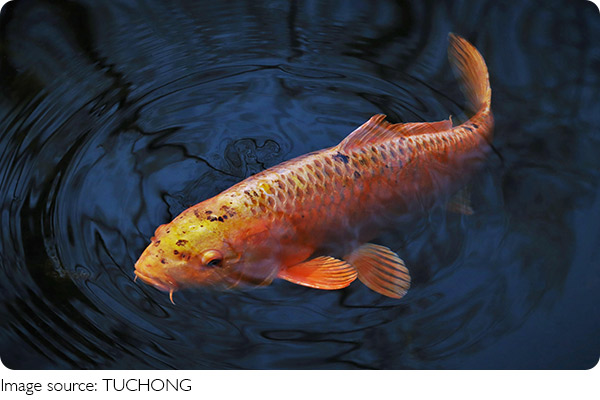
One of the strongest reasons koi gather near a waterfall is the increased oxygen content. As water tumbles over rocks and splashes into the pond, it mixes with the surrounding air. This process boosts dissolved oxygen levels, creating a healthier environment for fish.
Koi are active, large-bodied fish that require a steady supply of oxygen to support normal swimming, digestion, and growth. During warm weather, especially in New Jersey summers, oxygen becomes even more important. Warm water naturally holds less oxygen than cooler water, which can make certain pond areas less comfortable.
As a result, koi often move toward the waterfall where oxygen concentrations are typically higher. When fish consistently favor this location during hot afternoons, they may simply be seeking the most comfortable water conditions available.
A Cooler Refuge During Summer Heat
Temperature plays a major role in koi behavior. Although koi are hardy fish, they can become stressed when water temperatures rise for extended periods. Waterfalls contribute to cooling by increasing surface movement and reducing heat buildup in localized areas.
The difference may only be slight, but koi are highly sensitive to environmental changes. Even a small reduction in temperature can make an area more appealing. This is particularly noticeable during heat waves when shallow ponds absorb large amounts of solar energy throughout the day.
Many pond keepers observe their koi spending more time beneath falling water or in nearby currents during summer. This behavior helps the fish avoid warmer zones and maintain greater comfort as temperatures climb.
Natural Currents Encourage Activity
Unlike still water, a waterfall creates movement that resembles conditions found in natural streams and rivers. Koi are descendants of wild carp, and their instincts remain connected to flowing environments. Swimming through gentle currents provides physical stimulation and encourages natural behavior. Some koi will repeatedly move toward the falling water and then drift away, almost as if they are playing in the current.
This activity can help keep fish engaged and active rather than remaining motionless in stagnant sections of the pond. Water movement also distributes oxygen, nutrients, and temperature more evenly throughout the environment, making the pond healthier overall.
Better Water Quality Can Draw Fish In
Sometimes, a concentration of koi near the waterfall serves as a clue about conditions elsewhere in the pond. Areas with poor circulation can develop lower oxygen levels and accumulate waste products over time. When organic debris, uneaten food, or fish waste collects in corners with little movement, water quality may decline. Koi are remarkably sensitive to these changes and often relocate to areas where conditions feel more favorable.
If a large portion of the population spends nearly all day near the waterfall, it may be worth evaluating the pond's filtration system, circulation patterns, and maintenance routine. Regular testing for ammonia, nitrite, and pH can reveal issues before they become serious. A well-balanced pond should encourage fish to explore multiple areas rather than concentrating in a single location all the time.
The Sense of Shelter and Security
Koi do not only respond to physical water conditions. They also react to their surroundings in ways that increase their sense of safety. Waterfalls often create shaded pockets, deeper visual cover, and textured environments formed by rocks and plants. These features can make fish feel less exposed to predators such as herons, raccoons, or other wildlife.
The sound and movement of falling water may also reduce stress by creating a more complex environment. In open ponds with little shelter, koi frequently seek out areas that provide protection from direct sunlight and perceived threats. Adding aquatic plants, marginal vegetation, or strategically placed rock formations can help create similar comfort zones throughout the pond.
When the Behavior Signals a Problem
Although gathering near a waterfall is usually normal, there are situations where it deserves closer attention. If koi suddenly crowd around the waterfall while displaying unusual behavior, it could indicate that they are struggling with environmental stress. Fish experiencing oxygen shortages often remain near highly aerated areas because breathing becomes easier there.
Watch for warning signs such as:
- Rapid gill movement
- Unusual lethargy
- Erratic swimming patterns
- Loss of appetite
- Red streaks, sores, or visible swelling
These symptoms, especially when combined with persistent clustering near the waterfall, may point to water quality issues or health concerns that require prompt action. Routine pond maintenance and careful observation remain the best tools for preventing larger problems.
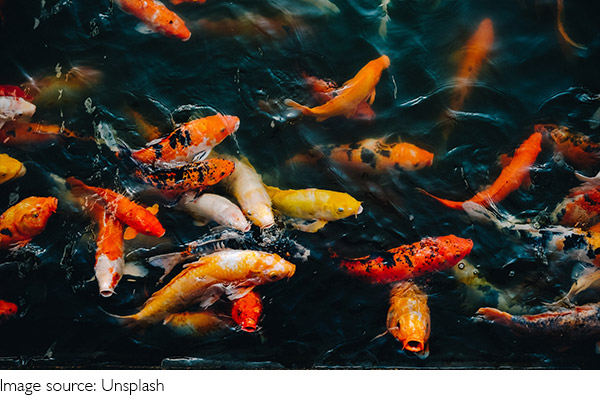
A waterfall is often the most dynamic part of any koi pond, and it naturally attracts fish for several reasons. Higher oxygen levels, cooler water, moving currents, improved circulation, and a greater sense of security all contribute to its appeal. In many cases, seeing koi near the waterfall is simply a sign that they are enjoying one of the pond's most comfortable locations.
Popular
The Patient Heron
How Does the Great Blue Heron Stay Perfectly Still for Long Moments Before Striking in a Single, Precise Instant?
From Cub to Lion
How Does a Small Lion Cub Grow Into a Strong Leader of the Wild and Learn Survival Step by Step?
Squirrel Cache Mystery
Why Do Squirrels Forget Where They Hide Food—and How Does It Help Forests Grow?
Koi's Favorite Zone
Koi stay by the waterfall? More oxygen, cooler flow, or a hidden pond habit!