Herding Mode On!
Herding Mode On!Posted by Ethan Sullivan on 02-06-2026
Wild Animals
Good day, Readers! Have you ever watched a Border Collie fix its gaze on a moving object, circle around another dog, or try to guide family members from one place to another?
These actions are not random habits but natural behaviors shaped by centuries of selective breeding.
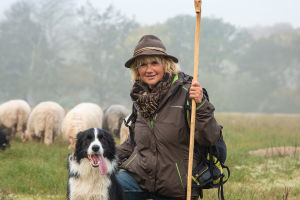
Originally developed to manage livestock, Border Collies possess strong instincts to control movement and keep groups together. Understanding these inherited traits can help owners better appreciate and manage their dog's unique behavior.
Border Collies are widely regarded as one of the most intelligent dog breeds in the world. However, the same traits that make them exceptional working dogs can also create challenges in a household setting. Understanding the origins of their herding behavior is the first step toward managing it successfully.
Why Border Collies Have Such Strong Herding Instincts
Unlike many breeds developed for companionship, Border Collies were specifically bred to control livestock. Farmers needed dogs capable of gathering, directing, and managing sheep across large areas with minimal human intervention. Over centuries, breeders selected dogs that displayed remarkable focus, responsiveness, and an ability to influence animal movement.
One of the breed's most distinctive traits is the famous "eye"—an intense stare used to pressure livestock into changing direction. Combined with stalking movements and quick reactions, this creates a highly effective herding style. While most pet Border Collies never encounter sheep, the instinct itself does not disappear. Instead, it often finds new outlets in everyday life.
When Herding Behavior Appears in Family Life
Many owners first notice herding tendencies during routine activities. A Border Collie may follow children closely, circle family members, or rush to intercept moving people. Some dogs gently bump legs or attempt to control movement by positioning themselves in front of someone. Others may become fixated on bicycles, joggers, skateboards, or fast-moving pets.
These actions are rarely signs of aggression. In most cases, the dog is responding to movement in the same way its ancestors responded to livestock. The challenge arises when the behavior becomes excessive or stressful for those involved. A dog that constantly monitors every movement in the household may struggle to relax, leading to frustration and over-arousal.
The Difference Between Play and Herding
One area that often confuses owners is interaction with other dogs. At first glance, chasing games in the park can look perfectly normal. However, herding behavior usually follows a different pattern. Rather than taking turns in a balanced game, the Border Collie often becomes focused on controlling the other dog's direction.
The dog may repeatedly cut off escape routes, circle its playmate, bark when the other dog changes direction, or become frustrated when it cannot maintain control. Recognizing this distinction is important because what appears to be harmless play can sometimes escalate into conflict if another dog becomes uncomfortable with being constantly directed.
Recognizing Obsessive Focus
A common feature of herding breeds is their ability to concentrate intensely. In working environments, this focus is highly valuable. In a home setting, it can occasionally develop into unhealthy fixation. Some Border Collies spend long periods watching chickens, rabbits, cats, or even wildlife through a fence. They may stare for hours, waiting for movement and becoming increasingly excited.
This behavior is not necessarily dangerous, but it can reduce the dog's ability to settle and enjoy other activities. Constant vigilance can create a cycle where the dog becomes mentally trapped in monitoring potential targets. Early intervention helps prevent this pattern from becoming a daily habit.
Effective Ways to Redirect Herding Behavior
Managing herding instincts does not mean suppressing the dog's natural personality. Instead, the goal is to provide appropriate alternatives. Training begins with observation. Owners should learn to recognize the earliest signs of fixation, such as intense staring, crouching, or silent stalking.
At that moment, redirect the dog's attention toward a more rewarding activity. A recall cue, obedience exercise, toy game, or food reward can help shift focus before the behavior escalates. Timing is critical. Redirecting early is far more effective than trying to interrupt a dog that is already fully engaged. Consistency also matters. Every successful redirection teaches the dog that paying attention to its owner leads to better outcomes than chasing or controlling movement.
Managing the Environment for Success
Training alone is not always enough. Smart environmental management can significantly reduce opportunities for unwanted behavior. If a Border Collie becomes obsessed with watching small animals, visual barriers may help limit constant exposure. Separate spaces can prevent repeated rehearsals of stalking behavior.
Cats often require special consideration. Successful dog-cat relationships are possible, but introductions should be gradual and carefully supervised. Rewarding calm behavior around the cat helps create positive associations and reduces the likelihood of chasing.
During walks, maintaining distance from triggers such as cyclists or running children can make training easier and prevent the dog from becoming overwhelmed.
Giving Instincts a Healthy Outlet
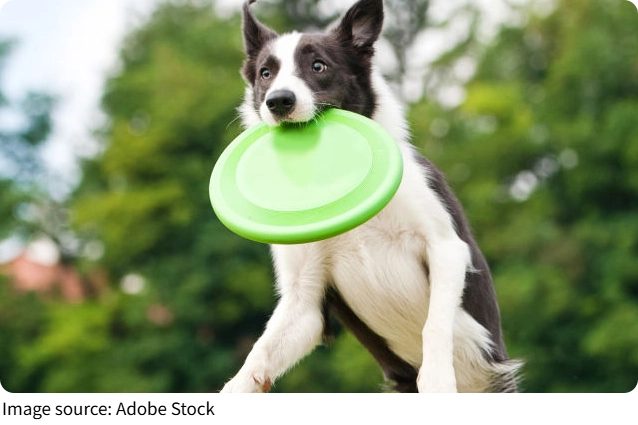
One of the most effective ways to manage herding behavior is to provide activities that satisfy the dog's natural drives. Advanced obedience, agility, scent work, disc sports, and structured fetch games can all engage the Border Collie's active mind. Some owners even participate in supervised herding trials, allowing dogs to express their instincts in a controlled environment.
Mental stimulation is particularly important. A Border Collie that regularly solves problems and learns new skills is often better equipped to remain calm in daily life.
The Border Collie's herding instinct is neither a flaw nor a problem to eliminate. It is the result of generations of careful breeding that created one of the most capable working dogs in history. The key is understanding how those instincts appear in modern family life and guiding them in productive directions.
Popular
Squirrel Survival Tricks
How squirrels use smart body features and behaviors to survive in nature
Corgi Care Guide
Can You Raise A Happy Corgi With Simple Daily Habits? Here’s The Secret To A Healthy And Energetic Companion!
Herding Mode On!
What triggers a Border Collie's urge to control movement? The answer may surprise you!
Capybara Size Shock!
Big as a dog, calm in water—but why is this rodent so huge? See the facts!