Lion Cub Care
Lion Cub CarePosted by Raghu Yadav on 29-05-2026
Wild Animals
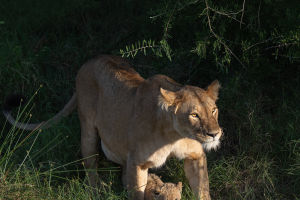
In the earliest moments of life, a lion cub enters a world that is both vast and demanding. Eyes still adjusting to light, tiny bodies rest in complete reliance on their mother.
Every movement is slow and uncertain, and survival depends entirely on warmth, protection, and steady care.
At this stage, the mother takes on an intense responsibility. She carefully selects a hidden and quiet place away from danger and stays there alone with her cubs for several weeks.
During this period, she often moves her young ones from place to place to avoid unwanted attention from other wild animals in the environment. It is a quiet, focused, and highly attentive time of early care.
The Hidden Nursery of the Pride
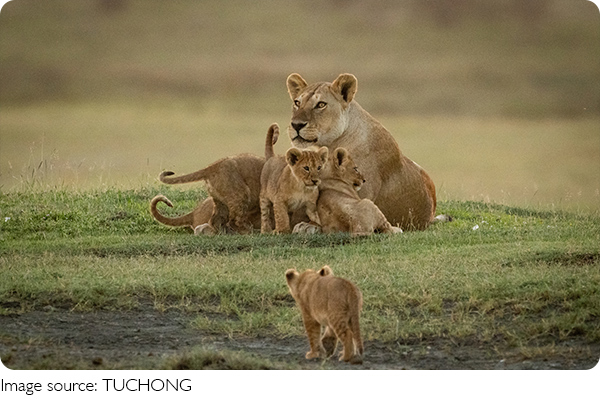
As the cubs grow stronger, the mother slowly brings them back to the pride. This is where something fascinating happens. Within the pride, many females tend to have their young around similar periods, creating a shared space where multiple cubs grow together.
We can think of this as a natural “nursery group.” Several mothers take turns watching over all the young while others go out to find food. This shared responsibility allows each mother to rest and recover while ensuring the cubs are protected and cared for.
This cooperation also brings another advantage. When the young grow up together, they form strong social bonds early in life, learning group behavior naturally. Studies show that this shared upbringing can significantly improve survival chances because protection and resources are distributed more efficiently.
Life Lessons Hidden in Play
For the cubs, life is not only about resting and feeding. Much of their day is filled with playful activity. They chase each other, gently grapple, and practice hiding and stalking movements in the grass.
These actions may look like simple fun, but they are actually early training steps. Through play, cubs learn balance, coordination, and timing. They also observe the movements of the mother and begin to understand how to respond to the environment around them.
Over time, the mother introduces more challenges. She may bring back food that allows the cubs to practice their skills in a safe way. This learning process continues for nearly two years, shaping their ability to adapt and survive in the natural environment.
The Subtle Role of the Pride
Within the pride, each member plays a role in supporting the next generation. While the male presence is not directly involved in early care, it contributes to protecting the territory and maintaining stability within the group.
This balance allows the cubs to grow in a relatively safe environment, even though challenges from the outside world still exist. Every interaction within the pride contributes to shaping a structured and cooperative social system.
Why Young Lions Capture Our Attention
Have you ever wondered why we feel instantly drawn to young animals, especially lion cubs? There is a simple explanation rooted in human perception. Rounded features, large eyes, and soft movements naturally trigger a sense of care and attention in our minds.
When we see a cub stumbling while walking or resting closely beside its mother, our attention is naturally engaged. These visual cues create a warm emotional response that encourages us to observe and connect more deeply with the moment.
This reaction is not random. It is part of how living beings interpret signs of youth and vulnerability in their surroundings.
A Balance Between Strength and Care
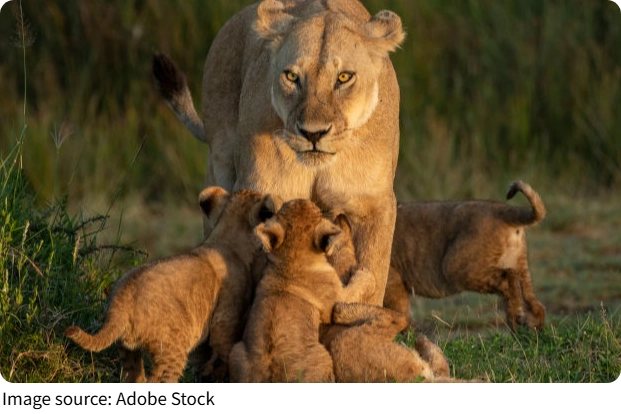
Life in the wild is not just about competition; it is also about connection. Within the pride, mothers show remarkable dedication to their young. They stay close, guide them through challenges, and protect them with patience and alertness.
At the same time, every stage of growth prepares the cubs for independence. From playful learning to structured guidance, each step builds resilience and awareness.
What makes this process so remarkable is its balance. Care and survival exist together, shaping a natural rhythm that continues across generations.
Closing Reflection
Lykkers, when we look at the journey of lion cubs, we see more than just early life in the wild. We see cooperation, learning, and deep connection unfolding step by step. Every small movement, every moment of care, contributes to a larger story of growth.
So next time you come across a scene of young animals staying close to their family, take a moment to observe the details. What do you think they might be learning from each other in that quiet moment?
Feel free to share your thoughts and the most memorable animal family moment you’ve ever seen.
Popular
Lion Cub Care
What Makes Lion Cubs So Irresistibly Adorable? The Hidden World of Care, Growth, and Survival in the Wild!
Amazing Owl Facts
Discover the extraordinary adaptations that make owls one of nature’s most remarkable birds
Red Panda Is Not a Panda
Why red pandas are a distinct species and how they differ from giant pandas
Goldfish Care Essentials
A science-based guide to maintaining a healthy and stable aquarium environment for goldfish