Why Owls Love to Snuggle
Why Owls Love to SnugglePosted by Caroll Alvarado on 29-05-2026
On Trend
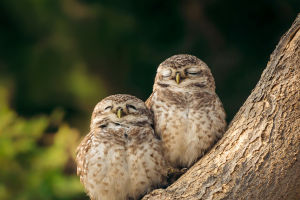
Hi, Friends! So you've seen those adorable photos of two owls sitting side by side, practically glued to each other like best friends sharing a tiny couch.
Your heart melts, you think "aww, true love," and you show it to everyone around you. Well, you're not entirely wrong, but you're not entirely right either. The real story behind owl snuggling is part romance, part survival science, and one hundred percent fascinating.
It's Not Just a Cute Pose
When owls snuggle, they typically position themselves side by side, pressing their bodies together to minimize exposed surface area. Think of it like two people sharing a blanket in a freezing room, except these two have feathers, talons, and absolutely no interest in your Netflix queue. Owl snuggling follows distinct patterns that maximize heat conservation. So yes, part of that cozy cuddle is very much a warmth strategy. Nature is clever like that.
A Bond That Goes Way Beyond the Nest
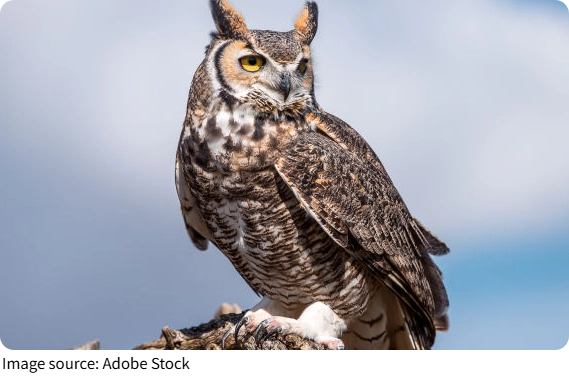
This deep connection between mates extends beyond mere reproduction to include complex social behaviors that enhance survival. Species like Barn Owls, Great Horned Owls, and Snowy Owls demonstrate particularly strong pair bonds, involving various bonding rituals, mutual grooming, food sharing, and physical closeness. Basically, owl relationships have more layers than your average rom-com. Research has shown that these pair bonds are reinforced through regular physical contact, especially during challenging environmental conditions. The strength of these bonds can be observed in the synchronized behaviors of mated pairs, from hunting to nesting activities, and most tenderly, in their snuggling behavior during cold periods.
Size Matters When It Comes to Snuggling
The intensity and style of snuggling behaviors vary considerably across the 200+ owl species worldwide. Smaller species like the Northern Saw-whet Owl demonstrate more prolonged and intimate snuggling behaviors than larger species, likely due to their greater vulnerability to heat loss. So the tinier the owl, the more they're huddled up like a fluffy burrito. Meanwhile, the big guys are playing it a little cooler, literally. Arctic specialists like Snowy Owls have developed particularly advanced snuggling techniques, sometimes creating small depressions in snow where pairs huddle together, using the snow itself as an additional insulating barrier. That's right, they build a snow nest just to snuggle better. Honestly, respect.
Grooming: The Owl Love Language
Owls primarily show affection through behaviors such as preening each other, sharing food, and roosting close together. If an owl is grooming you, congratulations, you have been accepted. Grooming is a social behavior that helps owls form a bond, either as a breeding pair or in a group. Certain types of owls may also display cheek-rubbing or bill-fencing as a courtship display. And then there's what barn owls do that is truly next-level adorable: they seal the deal with mutual preening, gentle nibbling, and an adorable behavior called beaking, a soft clicking of their beaks, like little owl kisses. If that doesn't make you say "aww," please check your pulse.
Mostly Monogamous, Always Devoted
As most types of owls are monogamous, they may continue to indulge in affectionate bonding behaviors with their mates during and after raising a brood. So this isn't just a one-season fling. Barn owls don't just choose a mate, they choose a home together, returning to the same cozy nook year after year, as long as it stays safe and undisturbed. That's commitment. That's them saying, "I choose you, this tree hole, and this exact spot on this branch, forever." And if a mate is ever lost? Some owls grieve deeply, showing signs of depression, and spend days or weeks searching and calling out for their partner. Tiny, heartbreaking, and very real.
Even Siblings Get in on the Snuggle Action
It's not just romantic pairs doing the whole cozy pile thing. Barn owl siblings get along perhaps better than most human siblings do. They clean and feed each other, huddle together to stay warm, and even negotiate who gets food based on whoever emits the neediest call. It's like a tiny democracy inside a nest, run entirely by fluffballs with big eyes.
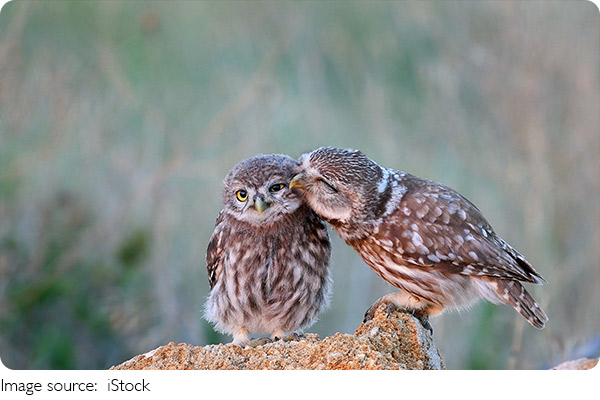
So when you see two owls sitting close together, you're not just looking at something cute — you're seeing warmth, trust, and survival working together. Owl “snuggling” is both practical and emotional, showing that even in nature, connection matters.
Popular
Lion Cub Care
What Makes Lion Cubs So Irresistibly Adorable? The Hidden World of Care, Growth, and Survival in the Wild!
Amazing Owl Facts
Discover the extraordinary adaptations that make owls one of nature’s most remarkable birds
Red Panda Is Not a Panda
Why red pandas are a distinct species and how they differ from giant pandas
Goldfish Care Essentials
A science-based guide to maintaining a healthy and stable aquarium environment for goldfish