Hair Color & Skin Harmony
Hair Color & Skin HarmonyPosted by Camille Dubois on 22-05-2026
Fashion Tips
Hello Lykkers! Have you ever noticed how changing your hair color can completely transform your overall appearance?
A shift from dark to light, or warm to cool, can create a strikingly different effect. This happens because hair color interacts closely with skin undertones.
In daily life, people often select colors based on personal preference, but matching them with skin undertones can make a bigger impact. When harmony is achieved, the face appears brighter and more balanced. When tones are mismatched, the overall look may feel less cohesive or less vibrant.
Assessing Skin Depth
Skin depth is a key factor when choosing hair tones. Skin can generally be categorized as light, medium, or deep:
- Light skin: reflects more light; softer shades are most flattering.
- Medium skin: allows more flexibility in hair color choices.
- Deep skin: pairs beautifully with richer colors that provide definition and structure.
Considering skin depth along with undertones helps create a clear personal color profile, guiding more effective hair color choices.

Understanding Hair Color Temperature
Hair colors carry temperature, which affects overall harmony with skin:
- Warm tones: golden, copper, soft brown — add glow to warm skin.
- Cool tones: ash brown, deep blue-black, muted violet — enhance clarity in cooler skin.
- Balanced shades: natural black or soft gray — complement neutral undertones.
By aligning hair temperature with skin undertones, the face naturally appears brighter and more defined.
Choosing Shades for Different Undertones
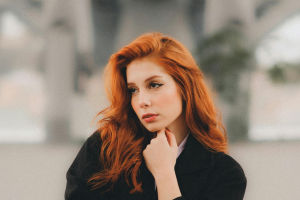
Warm undertones: Lighter skin looks bright and healthy with soft golden brown, honey, or gentle copper shades. Deeper warm skin tones are enhanced by chestnut or deep reddish brown, creating a grounded and elegant appearance.
Cool undertones: Lighter cool skin works well with soft lavender, icy brown, or pastel-inspired shades, while deeper cool skin pairs with deep ash brown or cool black for a refined and calm look.
Neutral undertones: Light neutral skin complements soft ash, beige brown, or light smoky tones. Deeper neutral skin is enhanced by classic black or deep gray shades, which provide contrast while keeping a natural flow. Regardless of undertone, balance is key to a cohesive and flattering look.
At-Home Methods to Identify Your Undertone
Identifying your undertones is simple with observation and testing:
1. Vein check: Bluish veins indicate cooler undertones, greenish veins suggest warmer undertones, and a mix may indicate neutral.
2. Color test: Observe how your skin reacts to different clothing or accessory colors. Brightening shades complement your undertone, while dulling colors indicate a mismatch.
These simple checks help refine your hair color choices and achieve optimal harmony over time.
Enhancing Your Natural Features
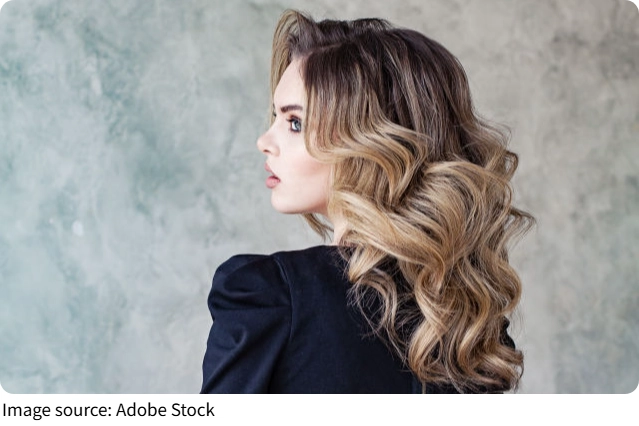
Hair color is more than a style choice — it frames and highlights your natural features. Understanding undertones and skin depth allows you to select shades that create a balanced and harmonious appearance. Before your next color change, take a moment to evaluate your skin tone. Thoughtful experimentation often leads to flattering and satisfying results.
Which hair tones have enhanced your look the most?
Popular
Long Lash Mascara!
Looking for dramatic lashes? Certain mascara combos work surprisingly well together!
Barbie Pink Blush
Want doll-like cheeks? Bright pink blush adds playful fresh makeup energy instantly!
Affordable Lip Liners
Good lip liners don’t need luxury prices — budget picks can still perform beautifully!
Hydrating Face Mist
Need quick hydration? Face mist helps skin feel fresh calm and revived instantly!