Car Cabin Air Purifiers
Car Cabin Air PurifiersPosted by Finnegan Flynn on 21-05-2026

On Trend
The air inside a car cabin is often more polluted than most people realize. While driving, commuters are exposed to a mixture of traffic emissions, fine particulate matter, and volatile chemicals released from plastics and adhesives inside the vehicle.
On top of this, allergens and dust tracked in from outside can add to the load. Over time, this combination of pollutants can pose a significant health risk, particularly during daily commutes in heavy traffic.
Car air purifiers have become increasingly popular as a solution, but the effectiveness of these devices varies widely depending on the technology used. Understanding the differences between HEPA filters, activated carbon, and ionizers can help drivers make informed choices to improve the quality of the air they breathe while on the road.
The Challenge of Cabin Air Pollution
Car cabins are small, enclosed spaces that accumulate pollutants from multiple sources. Outside air introduces particulate matter such as PM2.5 and PM10, gases like nitrogen dioxide and carbon monoxide, as well as pollen and dust. Meanwhile, the vehicle interior contributes its own contaminants. VOCs off-gas from synthetic materials, plastics, and adhesives, particularly in new cars or during hot weather. Moisture in the air conditioning system can promote mold spores, while odors from passengers, pets, and food further degrade air quality.
Although most vehicles are equipped with a cabin air filter, the standard versions are primarily designed to capture larger particles. Higher-grade filters that include activated carbon layers can reduce some gaseous pollutants, but their performance depends heavily on filter size and airflow. Using the ventilation system in recirculation mode has been shown to reduce the entry of outdoor particles, especially in heavy traffic. Regular maintenance is critical: a cabin filter clogged with dust and debris loses effectiveness and can even exacerbate pollution inside the car.

HEPA Filters: The Gold Standard for Particles
High-Efficiency Particulate Air (HEPA) filters are the most reliable technology for removing airborne particles. They capture 99.97% of particles at 0.3 microns—the most challenging size to filter—while larger and smaller particles are even more efficiently trapped through a combination of mechanisms including interception, diffusion, and impaction. In practice, HEPA filters effectively remove dust, pollen, pet dander, mold spores, bacteria, and fine particulate matter like PM2.5.
However, HEPA filters have a limitation: they cannot capture gases or odors. Exhaust fumes, VOCs from cabin materials, and food or pet odors pass through the filter unaffected. For commuters concerned primarily with particulate pollution, HEPA filtration remains the safest and most effective solution, as it does not generate any harmful byproducts.
Activated Carbon: Targeting Gases and Odors
Activated carbon adds a layer of protection by removing gases and odors from the air through adsorption. Its extremely porous structure allows chemical molecules, such as VOCs, nitrogen oxides, and hydrogen sulfide, to stick to its surface as air passes through. In theory, this makes activated carbon an essential complement to HEPA filtration for improving overall air quality.
In practice, the effectiveness of activated carbon depends on the amount of material and the airflow through it. Compact car purifiers often include only a thin layer of carbon, which becomes saturated quickly and fails to significantly reduce gas concentrations over time. Combining HEPA and an adequate activated carbon layer addresses both particulate and gaseous pollutants, but many portable units compromise on one or both.
Ionizers: A Technology to Avoid
Ionizers are marketed as a way to improve air quality by releasing negatively charged ions that cause airborne particles to clump together and settle. However, this approach has two major flaws. First, the particles are not removed from the cabin but merely adhere to surfaces such as seats, dashboards, and windows, where they can be disturbed and re-enter the air. Second, ionizers generate ozone as a byproduct—a respiratory irritant that can trigger asthma, irritate airways, and damage lung tissue. Some devices can even produce additional reactive pollutants through complex air chemistry. For these reasons, ionizers are not recommended for use in vehicles.
Practical Recommendations for Cleaner Car Air
To reduce exposure to pollutants in car cabins, a combination of strategies works best. A HEPA purifier is essential for capturing fine particles, while a cabin air filter should be replaced regularly to maintain efficiency. Using recirculation mode in heavy traffic limits the inflow of outdoor pollutants. If odor and gaseous pollutants are a concern, a purifier with a substantial activated carbon layer can help, though many small units are insufficient. Ionizers should be avoided entirely, as their risks outweigh any minor benefits.
For optimal performance, a purifier should achieve a minimum Clean Air Delivery Rate (CADR) sufficient to cycle the cabin air multiple times per hour. Proper maintenance and the right combination of technologies ensure that the air inside a vehicle remains cleaner and safer to breathe during every commute.
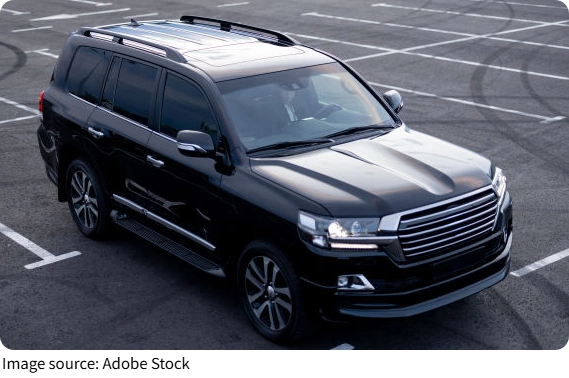
Car cabin air pollution is a hidden health risk, but it can be managed effectively with the right tools and practices. HEPA filters provide reliable removal of particles, while sufficient activated carbon addresses gases and odors. Avoiding ionizers and maintaining your cabin filter ensures that your car remains a healthier environment, making daily commuting safer and more comfortable.
Popular
Suspension Shapes Your Ride
How Your Car’s Hidden Suspension System Determines Comfort, Control, and Handling
The Right Oil Change
Choosing the right oil, knowing when to change it, and doing it correctly — the steps that genuinely extend engine life
Car Cabin Air Purifiers
Understanding HEPA, Activated Carbon, and Ionizers for Healthier In-Car Air
Luxury Meets Green
Cactus leather, grape-waste textiles, and recycled nylon — how luxury carmakers are replacing hide without losing luxury