Luxury Meets Green
Luxury Meets GreenPosted by Raghu Yadav on 21-05-2026

On Trend
For most of the automobile's history, the quality of a car's interior was measured partly by how much genuine leather it contained.
Soft, warm, durable, and aging beautifully — leather carried both functional and status qualities that synthetic alternatives couldn't fully replicate.
That consensus is shifting faster than almost anyone in the industry predicted, driven by a combination of consumer pressure, regulatory direction, and a new generation of materials that are genuinely competing with hide on its own terms.
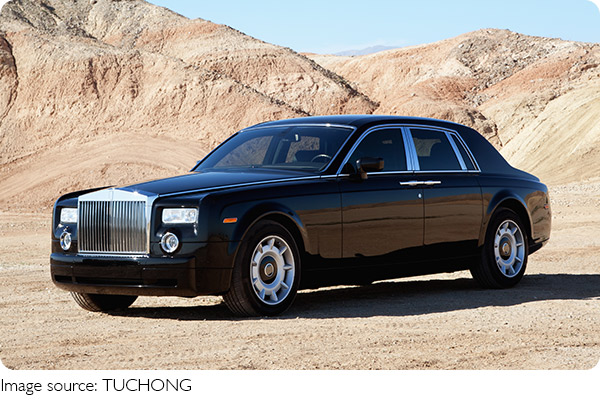
Why Leather Is Being Reconsidered
Traditional leather production involves livestock farming, transportation, and a tanning process that typically uses heavy metal chromium compounds and generates significant wastewater.
Life cycle assessments estimate the equivalent carbon dioxide footprint of cowhide leather at roughly 20 to 30 kilograms per square meter, depending on the process. This figure has become increasingly difficult to reconcile with the sustainability commitments that automakers are making across their operations.
The shift is also commercially driven. BMW Group's own market research found that demand for vegan and leather-free interior options was set to increase significantly. Consumers are prepared to pay on average 12% more for sustainable products — a premium that luxury brands are well-positioned to capture.
What the Alternatives Actually Are
The range of materials entering luxury car interiors has expanded considerably. Several warrant specific attention.
Dinamica is a microfiber fabric produced in Italy through a recycled polyester process. It has the texture and appearance of suede, is perforatable and printable, and is used in Audi S line seats and Land Rover Defender interiors. Mercedes-Benz uses it in its A-Class, offering a microfibre nonwoven fabric consisting of up to 73% recycled material for seat covers, steering wheel, centre console, and door panels.
Volvo's Nordico combines recycled PET bottles, cork from grape production, and bio-attributed materials from Scandinavian forests to create a material designed to replicate the warmth and softness of leather. Volvo has committed to leather-free interiors across its full electric range by 2030.
BMW collaborated with Desserto, a startup producing cactus-based leather under the name Deserttex. The production process requires no wastewater — unlike traditional tanning — and the base material is nopal cactus harvested on its natural growth cycle without irrigation.
Bentley's Mulliner division has developed an interior for its Batur and other flagship models incorporating Vegea, a bio-based material made from the grape marc — skins, seeds, and stems — left over from grape production. Alongside riverwood reclaimed from ancient peat bogs and British wool carpets, Bentley frames sustainable material use as an expression of craftsmanship rather than compromise.
Bioengineered Materials at the Frontier
Mercedes-Benz has gone further than most in laboratory-scale research. Its collaboration with Modern Meadow produced Innovera — a material made by combining plant proteins and biopolymers with recycled rubber from AMG GT3 racing tires.
Early lifecycle analysis calculated Innovera's carbon footprint at approximately 7 kilograms per square meter, roughly one third of conventional leather. The material is breathable, waterproof, and lighter than genuine leather, and designed to be fully recyclable at end of life.
An earlier high-profile attempt involving mycelium — the root structure of fungi — showed the difficulty of scaling these innovations. Mercedes-Benz featured mycelium-based Mylo leather in its Vision EQXX concept in 2022. The material's manufacturer, Bolt Threads, discontinued it the following year to focus on other developments.
The lesson was widely noted: moving from compelling prototype to durable, scalable, commercially viable interior material is a genuinely difficult engineering problem.
The Limits of the Label
Not all claims in this space survive scrutiny. Polestar's head of sustainability, Fredrika Klarén, has pushed back directly on "vegan car" marketing, noting that a truly vegan car would require eliminating PVC and plastics — making full vegan claims misleading when only the upholstery has changed. MINI's transition to Vescin, a synthetic leather-free upholstery, is genuine progress; calling the vehicle itself vegan misrepresents the broader material composition.
The honest framing is that the luxury interior space is in active transition — away from animal-derived materials toward alternatives with lower carbon footprints and cleaner supply chains, but without a fully resolved answer yet on what the final destination looks like.
The materials are improving, the commercial demand is real, and the manufacturers investing in genuine material innovation are making meaningful progress. The terminology, as always, needs more careful handling than the marketing tends to provide.

The luxury car interior is no longer defined by how much hide it contains. From cactus-based Deserttex to grape-marc Vegea and recycled microfiber, the alternatives are real, durable, and increasingly desirable. But honest labeling matters – “vegan seats” is not the same as a “vegan car.” The transition is underway, driven by consumer demand and genuine innovation.
No single solution has won yet. But one thing is clear: the future of automotive luxury will be measured by smarter materials, not just softer leather.
Popular
Suspension Shapes Your Ride
How Your Car’s Hidden Suspension System Determines Comfort, Control, and Handling
The Right Oil Change
Choosing the right oil, knowing when to change it, and doing it correctly — the steps that genuinely extend engine life
Car Cabin Air Purifiers
Understanding HEPA, Activated Carbon, and Ionizers for Healthier In-Car Air
Luxury Meets Green
Cactus leather, grape-waste textiles, and recycled nylon — how luxury carmakers are replacing hide without losing luxury