Playful Cat Activity Tips
Playful Cat Activity TipsPosted by Elena Rossi on 22-05-2026

Odd News
Friends, have you ever watched your cat stare at a wall for minutes, then suddenly sprint across the room at full speed as if chasing invisible prey? That burst of energy is not random—it reflects a deep need for both physical activity and mental challenge.
Indoor cats, especially, often lack the complex stimulation they would naturally experience outdoors. Without proper engagement, boredom can quietly turn into weight gain, destructive scratching, or excessive sleeping patterns.
The good news is that enriching your cat’s life does not require expensive equipment or complicated routines. It requires intention, observation, and small daily adjustments that mirror their natural instincts. Below are five practical strategies that will help your cat stay active, alert, and emotionally balanced.
1. Turn Feeding Time into a Hunting Routine
Instead of placing food in a bowl and walking away, transform meals into a controlled hunting experience. Cats are natural predators, and they thrive when they must “work” for their food. Try using puzzle feeders with adjustable difficulty levels so your cat must paw, nudge, or roll them to release kibble. For wet food, smear small portions inside lick mats with textured grooves to slow down eating while stimulating focus.
You can also hide small portions of food in different corners of a room—under a chair, behind a safe plant stand, or inside cardboard boxes with holes cut out. This encourages your cat to move, sniff, and problem-solve. Over time, rotate feeding locations so your cat does not memorize patterns.
2. Structured Play Sessions with Purpose
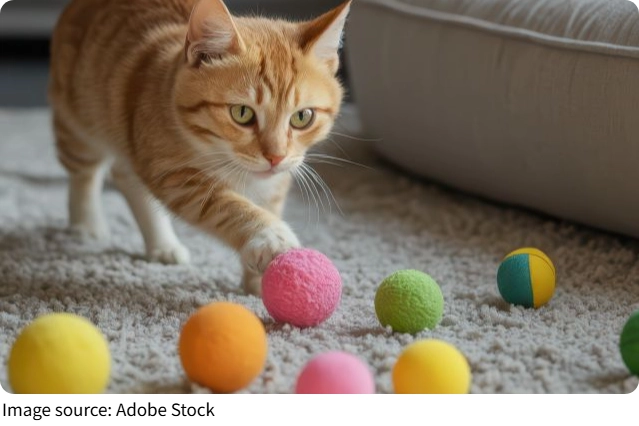
Random play is fun, but structured interaction creates stronger physical output and sharper reflexes. Set aside two sessions daily, ideally morning and evening, lasting 10–15 minutes each. Use wand toys that mimic real prey movement—fluttering like a bird or darting like a mouse. The key is unpredictability: change speed, direction, and height frequently.
Allow your cat to “win” at the end of each session by catching the toy. This satisfies their predatory cycle and prevents frustration. Avoid dragging play on endlessly without a conclusion, as that can lead to disinterest. If your cat loses focus, pause briefly and restart rather than forcing engagement. Consistency in timing builds anticipation, and soon your cat may begin waiting for these sessions at specific hours.
3. Environmental Enrichment at Home
A stimulating environment is more than just toys scattered on the floor. Cats experience space vertically and horizontally, so your home should reflect that. Install wall shelves or cat trees that allow climbing at different heights. Place them near windows where outdoor movement—birds, leaves, or passing people—can naturally engage attention.
Rotate toys every few days instead of leaving everything out at once. Novelty plays a powerful role in feline curiosity. A simple cardboard box today can become a hiding cave tomorrow. You can also place soft blankets in elevated spots to encourage resting in active observation zones.
4. Training Cats with Short Reward-Based Lessons
Contrary to popular belief, cats are highly trainable when sessions are short and rewarding. Use clicker training or a consistent sound marker followed by a treat. Start with simple behaviors such as “sit,” “come,” or touching a target stick. Keep sessions under five minutes to maintain focus.
Choose high-value treats like small freeze-dried meat pieces rather than everyday kibble to maintain motivation. Repeat only a few times per session to avoid overstimulation. Over weeks, you can introduce more advanced actions like jumping onto designated platforms or walking through small obstacle paths.
5. Outdoor Simulation Safely Indoors or Controlled Outdoor Time
Not all cats can roam freely outside, but their instincts still crave natural exploration. Leash training is an option for some cats, but it must be introduced gradually using a harness designed specifically for feline anatomy. Start indoors, allowing the cat to wear it briefly while receiving treats.
For indoor-only cats, create “outdoor simulation zones.” Open windows with secure mesh screens so they can safely observe wind, scents, and bird activity. You can also bring safe natural elements inside—such as untreated branches or cat-safe grasses—to stimulate sensory exploration.
Keeping a cat physically active and mentally engaged is not about strict routines or complicated tools—it is about understanding their instincts and shaping the home environment to match them. From food-based challenges to structured play and sensory exploration, each method builds a richer daily experience that supports both health and emotional stability.
When you observe your cat’s curiosity returning—whether through playful stalking, climbing, or focused learning—you will see the impact of these small changes.
Popular
Playful Cat Activity Tips
Simple daily routines to keep your cat active, curious, and mentally sharp
Rural Energy Revival
How Wind and Solar Projects Can Boost Rural Economies and Jobs
Investing in a Green Economy
Why Billions Are Flowing Into Climate Funds and How It Will Shape the Global Economy
Renewables Redefined
How Utility-Scale Renewable Finance is Powering the Next Investment Boom