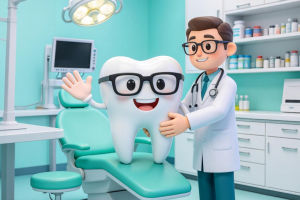
Child: Preventing Cavities
Child: Preventing CavitiesPosted by James Carter on 20-05-2026

Odd News
Dental decay remains one of the most widespread chronic conditions affecting childhood health across many regions.
The process develops gradually when food residues combine with naturally occurring bacteria in the mouth, producing acids that weaken the protective outer layer of teeth.
Without consistent preventive measures, small damaged areas may expand over time and interfere with comfortable chewing and normal daily routines. Effective prevention depends on structured hygiene habits, balanced nutrition, protective treatments, and early monitoring from qualified dental professionals.

How Tooth Decay Progresses in Early Development
The formation of decay begins with plaque accumulation, a thin sticky layer that adheres to tooth surfaces after eating. When frequent intake of sugary or refined carbohydrates occurs, bacteria metabolize these substances and release acids. Repeated acid exposure gradually reduces mineral strength, leading to microscopic surface damage.
Areas located between teeth or within deep grooves are especially vulnerable because cleaning efficiency may be reduced in those regions. When protective cleaning routines are inconsistent, bacterial activity increases, accelerating enamel weakening. Early-stage deterioration often remains unnoticed without professional evaluation.
Daily Cleaning Practices That Reduce Risk
Consistent cleaning routines form the foundation of prevention. Brushing twice per day using fluoride-containing toothpaste assists in removing plaque buildup and strengthening enamel resistance. A soft brush head is commonly recommended to minimize irritation while ensuring effective cleaning across all accessible surfaces.
Flossing becomes important once adjacent teeth are closely positioned. This process removes trapped food particles that brushing alone cannot eliminate. Maintaining routine timing is more effective than intensity, since regular disruption of bacterial accumulation reduces the likelihood of decay progression.
Nutrition Patterns That Influence Dental Strength
Dietary habits significantly influence enamel durability. Frequent exposure to sugary snacks, sticky sweets, and sweetened beverages increases acid production in the mouth. Repeated exposure without sufficient cleansing time creates an environment favorable for enamel breakdown.
In contrast, fiber-rich fruits, vegetables, and calcium-containing foods contribute to stronger structural integrity. Water consumption after meals helps reduce residue buildup and supports natural cleansing processes. Limiting between-meal sugary intake is especially important, as prolonged acid contact is a major contributor to surface weakening.
Protective Role of Fluoride and Sealants
Fluoride is widely recognized for its ability to support remineralization, a natural repair process that restores mineral content in weakened areas of enamel. It is commonly found in toothpaste and professional treatments provided during routine checkups. Another preventive method involves the application of sealants on molar surfaces.
These protective coatings fill deep grooves where food particles tend to accumulate, reducing bacterial retention. When combined with fluoride use, sealants offer an additional layer of defense against decay formation.
Importance of Regular Professional Evaluation
Routine evaluation by dental professionals enables early identification of potential weak areas before visible deterioration occurs. Professional cleaning removes hardened plaque that cannot be eliminated through daily brushing alone.
Periodic monitoring also allows assessment of hygiene effectiveness and dietary influence on dental condition. Early detection supports timely preventive action, reducing the likelihood of advanced damage that may require complex treatment procedures later.
Establishing Long-Term Preventive Habits
Consistent daily routines play a central role in maintaining long-term dental stability. Structured cleaning schedules, mindful food choices, and reduced frequency of sugary intake contribute significantly to lowering decay risk.
Educational reinforcement within home and school environments strengthens awareness of proper cleaning techniques and dietary discipline. Once established early, these habits often remain stable throughout later developmental stages, supporting sustained dental resilience.
Dr. Charlotte W. Lewis, MD, MPH, FAAP, a pediatrician and Fellow of the American Academy of Pediatrics, states that fluoride is one of the most effective ways to prevent cavities and support lifelong health, with benefits supported by decades of research.
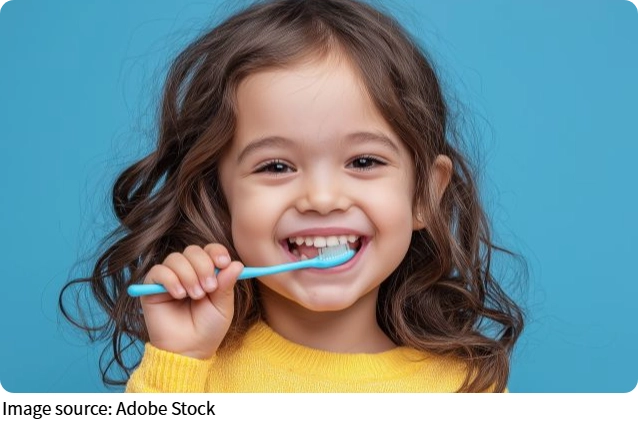
Preventing tooth decay in childhood requires a coordinated approach involving daily cleaning routines, balanced nutritional intake, fluoride use, and protective sealant applications. Regular professional evaluation supports early detection and timely intervention, reducing long-term complications. Consistency in preventive practices significantly reduces bacterial activity and strengthens enamel resilience.
Popular
Playful Cat Activity Tips
Simple daily routines to keep your cat active, curious, and mentally sharp
Rural Energy Revival
How Wind and Solar Projects Can Boost Rural Economies and Jobs
Investing in a Green Economy
Why Billions Are Flowing Into Climate Funds and How It Will Shape the Global Economy
Renewables Redefined
How Utility-Scale Renewable Finance is Powering the Next Investment Boom