Cat Fear Signs
Cat Fear SignsPosted by Chandan Singh on 19-03-2026

Adorable Pets
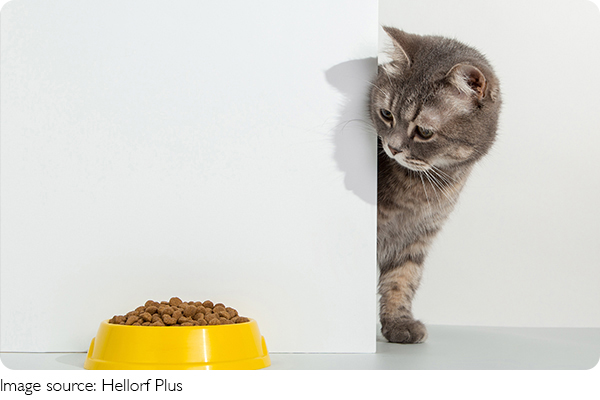
We all love our cats for their playful and gentle personalities, but most of them are naturally cautious and sensitive. Their nerves are alert, and even minor changes around them can trigger fear.
When a cat feels scared, it often shows subtle signals that we may overlook. Observing these signs carefully helps us provide comfort and create a safe environment, easing their anxiety and stress.
1. Tense Back and Stiff Steps
When sensing danger, cats often tighten their backs and move in a stiff, careful way. Their tails may flick unnaturally, and their heads swivel as they scan the surroundings. This heightened alertness is their way of staying ready for any sudden threat. As caretakers, we should respect this state and avoid sudden approaches.
2. Sideways Tail Flicks as a Warning
Unlike dogs wagging their tails happily, a cat flicking its tail while lying on its side is sending a warning. This behavior indicates annoyance or stress. If we notice our cat doing this, it’s their way of saying, “Keep your distance.” Recognizing this early can prevent unnecessary tension and conflicts.
3. Fur Standing on End
Fluffed-up fur, or piloerection, is a natural defense mechanism when cats feel threatened. The raised hair makes them look bigger and more intimidating, signaling danger both to themselves and potential threats. This response is automatic and reflects a combination of fear and self-protection instincts.
4. Dilated Pupils and Focused Gaze
Fear often causes a cat’s pupils to expand instantly. This enhances their vision, allowing them to better assess any movement or changes in their environment. A cat staring intensely at a corner or object may appear calm but is mentally preparing to flee or react. This is a classic stress response that we should interpret as a need for caution.
5. Intense Staring at Targets
When a cat locks eyes on something, it is often preparing itself for action. Whether to escape or defend, they are evaluating the situation. To us, they might look composed, but internally, they are alert and ready. Giving them space in these moments reassures them and prevents unnecessary confrontation.
6. Hiding in Corners
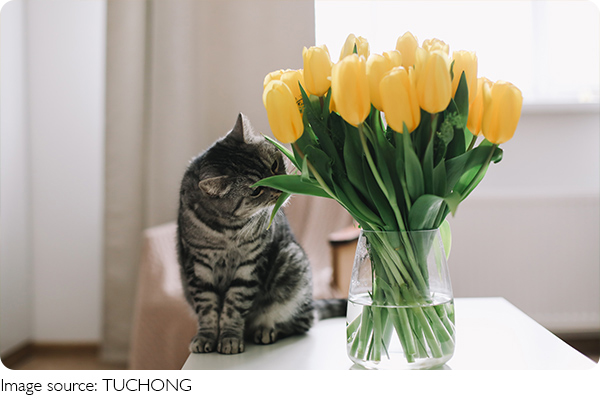
Cats instinctively hide when afraid. Cardboard boxes, small nooks, or any enclosed area become their temporary shelters. These spots provide security and a sense of control over their environment. By offering cozy hiding places, we give cats a refuge to calm down and regain confidence.
7. Sudden Aggression
Even the friendliest cats may suddenly scratch or bite when extremely frightened. Such behavior often signals that the cat feels mentally threatened or overwhelmed. Recognizing this as fear rather than malice helps us respond appropriately, using gentle words and actions to ease tension.
8. Curling Up and Showing Submission
If hiding or defending is not an option, cats may curl into a protective posture, showing hesitation and submission. This is their way of reducing perceived threats by appearing non-confrontational. Respecting this gesture prevents further stress and helps maintain trust between us and our cats.
9. Excessive Grooming
Frequent licking may not always indicate hygiene issues. When a cat repeatedly grooms itself, it often signals anxiety or fear. While occasional grooming is fine, over-grooming can cause skin irritation or infections. We can intervene by providing comfort or redirecting attention to calm them down, supporting both emotional and physical wellbeing.
10. Loss of Appetite
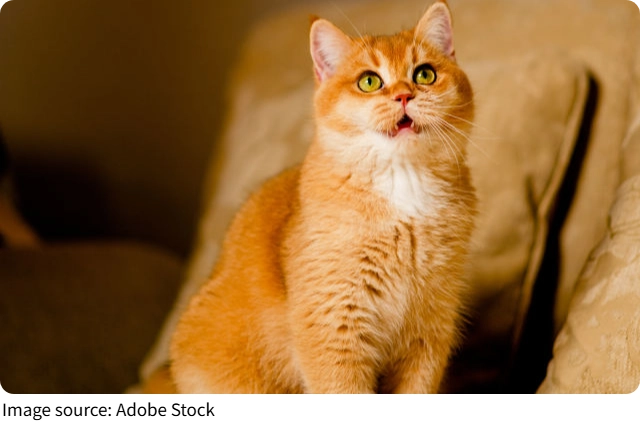
Cats under stress may suddenly refuse food or lose interest in treats. Their fragile digestive system often reacts to emotional changes. Providing easily digestible food and maintaining a consistent feeding routine can help maintain gut health and reduce stress. Observing dietary changes helps us detect stress early and respond in time.
Creating a Calm Environment
By paying attention to these 10 signs, we can better understand our cat’s emotions. Providing quiet, secure spaces, gentle interactions, and consistent routines all contribute to reducing fear. When we act attentively, we strengthen trust and ensure our cats feel safe and cared for.
Watch for These Signs
Now that we know what to look for, we can watch for these signals in our own cats. A small flick of the tail, a tucked body, or a tense posture can tell us more than words. Recognizing and responding to these cues not only helps our cats feel safe but deepens the bond we share. So, let’s be patient observers and caring companions to our feline friends!
Popular
Elegant Hunter of Wetlands
Surprising behaviors and hidden survival strategies of the Great Egret.
Secrets of Pink Flamingos
Why Greater Flamingos stand out with color, teamwork, and survival skills.
Meerkat Desert Life
Discover How Meerkats Thrive in the Harsh Kalahari Desert Using Smart Social Skills and Survival Tricks We Can Learn From!
Cat Fear Signs
10 Sneaky Signs Your Cat is Scared—Notice These Subtle Clues to Calm Your Furry Friend Before Panic Sets In!