Why Flamingos Turn Pink
Why Flamingos Turn PinkPosted by Mason O'Donnell on 18-03-2026
On Trend
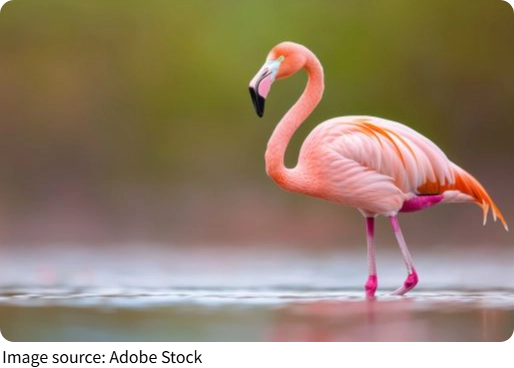
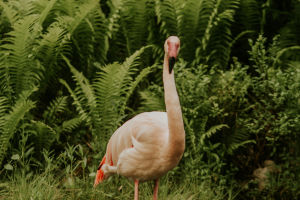
At first glance, flamingos seem almost unreal—tall, graceful birds painted in shades of pink that stand out against water and sky.
Their color feels like a design choice, something intentionally vibrant.
However, this striking appearance is not something they are born with. It is something they acquire, slowly and scientifically, through their environment.
Born Grey: The Start of the Journey
Flamingos do not begin life as pink birds. When they hatch, their feathers are typically soft grey or white. This neutral coloring provides camouflage and protection during their early stages of life.
As they grow, a transformation begins—one that depends entirely on what they eat. Without the right diet, flamingos would never develop their famous pink hue. Their color is not fixed; it is earned.
The Role of Diet in Color Formation
The primary reason flamingos turn pink lies in their diet. They consume algae, small crustaceans, and plankton that are rich in natural pigments called carotenoids. These pigments are also found in foods like carrots and certain leafy plants.
Algae – A major source of carotenoids in aquatic environments
Brine shrimp – Tiny organisms packed with pigment compounds
Other small organisms – Contribute additional nutrients and color
Once ingested, these pigments are broken down in the digestive system and absorbed into the bloodstream. Over time, they are deposited into feathers, skin, and even the beak, gradually changing the bird's appearance.
How the Body Processes Pigments
The transformation from grey to pink is not immediate. It involves a complex biological process. Enzymes in the flamingo's body convert carotenoids into pigments that can be used by the bird.
These pigments are then transported and stored in growing feathers. Each time the bird molts and grows new feathers, the coloration becomes more pronounced—provided the diet remains consistent.
This explains why flamingos in controlled environments must be given specialized food to maintain their color. Without it, their feathers may fade to a much lighter shade.
Why Some Flamingos Are Brighter Than Others
Not all flamingos display the same intensity of pink. The variation depends on several factors related to diet and health.
Diet quality – More pigment-rich food leads to deeper color
Feeding efficiency – Birds that feed more effectively absorb more nutrients
Age – Mature flamingos often show stronger coloration
Overall condition – Healthy birds process pigments more efficiently
Interestingly, brighter coloration can also play a role in social behavior. In many species, vibrant color signals strength and vitality, making it an important visual cue.
The Unique Feeding Technique Behind It All
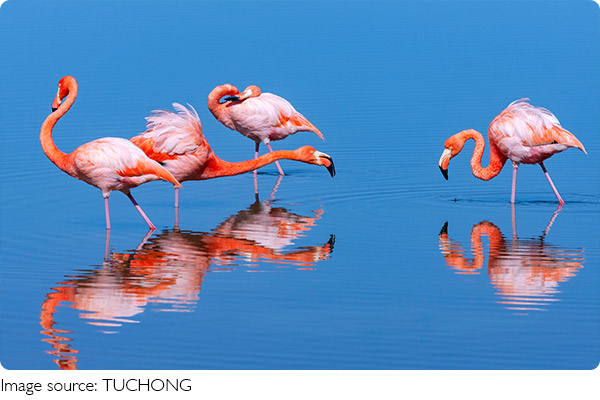
Flamingos have a distinctive feeding method that supports their pigment-rich diet. They feed by placing their heads upside down in the water and filtering food through specialized structures in their beaks.
This filtering system allows them to separate tiny organisms from mud and water efficiently. Their long legs help them wade into deeper areas, where food sources are abundant.
This combination of anatomy and behavior ensures a steady intake of carotenoids, directly influencing their coloration.
A Color Shaped by Environment
Flamingos are a powerful reminder that appearance is often shaped by environment rather than inherent traits. Their pink color is not simply a genetic feature—it is the visible result of interaction between biology and habitat.
Change the environment, and the color changes as well. This connection highlights how closely living organisms depend on their surroundings for both survival and identity.
More Than Just a Pretty Color
The pink of a flamingo is more than a visual delight—it is a story written in chemistry, diet, and adaptation. What appears simple is actually the outcome of a precise and ongoing process.
In observing flamingos, we are reminded that nature often hides complexity beneath beauty. Their color teaches a subtle lesson: what we see on the surface is often shaped by countless invisible factors working together over time.
Popular
Dogs Mirror You to Bond
Why Do Dogs Copy Everything We Do? Discover the Surprising Reasons Behind Their Funny and Curious Behavior!
Dog Super Senses
Exploring how dogs smell, hear, and experience the world beyond us
Seasons of the Squirrel
How Squirrels Shift Behavior and Coats to Endure Winter and Summer!
Why Flamingos Turn Pink
The surprising science behind one of nature’s most iconic colors.