Seasons of the Squirrel
Seasons of the SquirrelPosted by Pardeep Singh on 18-03-2026
On Trend
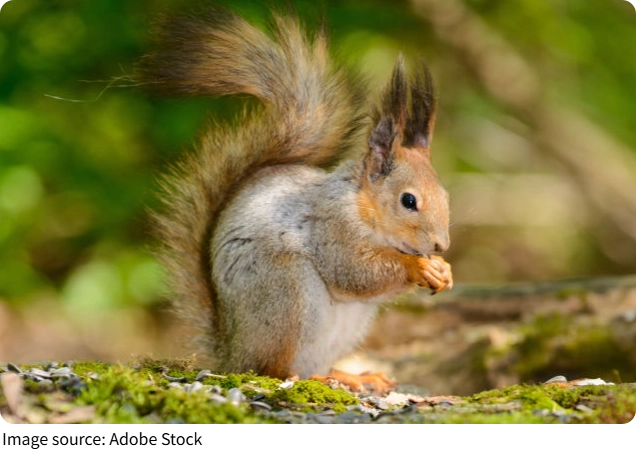
As daylight shortens and temperatures drop, squirrels enter one of the most crucial periods of their yearly cycle.
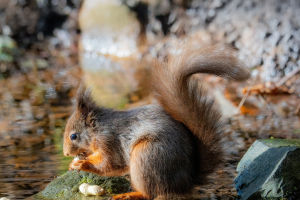
During autumn, tree dwelling squirrels intensely forage for nuts, seeds, and other high energy foods. This is more than simple feeding — it's preparation for the long months ahead when fresh food becomes scarce.
Rather than consuming every morsel they find, squirrels bury or cache these items across their territory in a scatter hoarding strategy that creates hidden pantries they can access later. Their remarkable spatial memory and ability to track buried food prove essential when snow covers the ground and leaves are gone.
This scavenging and caching behavior is not random. Squirrels often choose multiple small locations rather than a single pile of food to minimize the risk that one cache might be stolen or spoiled. These stored reserves — nuts, seeds, fungi, and other plant materials — become vital once winter arrives.
Winter Strategies: Energy Conservation and Food Access
Winter poses serious challenges: low temperatures, snow cover, and limited food availability. Unlike true hibernators, most tree squirrels do not enter a deep hibernation, so they must remain active and rely on stored food instead. Their behavior adapts accordingly.
Winter activity is reduced to conserve energy, and squirrels spend more time in insulated nests called dreys, made from leaves, twigs, and moss. These nests trap heat and shield squirrels from biting winds.
When they do emerge, their keen sense of smell and memory help them locate caches buried months earlier. Visiting these caches supplies crucial calories during cold periods when foraging opportunities are limited. By relying on their autumn prep work and strategic caching, squirrels effectively endure the lean winter months.
Behavior Across Seasons
Squirrel behavior changes significantly as each season unfolds:
• Spring: As temperatures rise and vegetation blooms, squirrels increase their activity to feed on fresh buds, flowers, and new plant growth. This season also marks breeding activity and nest building.
• Summer: Warm weather brings abundant food sources like fruits, berries, and insects. Squirrels continue to forage widely, grow their body mass, and begin collecting items for autumn caches.
• Autumn: The priority shifts to intensive caching and preparing nests for winter, including adding insulating materials for protection against colder weather.
• Winter: Activity is reduced, and reliance on stored food increases as squirrels make short excursions to retrieve caches and maintain energy balance.
These behavioral shifts demonstrate squirrels' profound adaptation to seasonal rhythms and environmental pressures.
Coat Changes: An Adaptation to Temperature Fluctuations
In addition to behavioral adaptations, squirrels undergo physical changes to cope with seasonal temperature swings. Many tree squirrel species molt twice a year — shedding their old coat and growing a new one better suited to current conditions.
During spring molt, squirrels exchange their thick winter fur for a lighter, thinner summer coat, allowing better heat dissipation in warmer months. Conversely, as autumn approaches, they grow a denser, warmer winter coat that offers improved insulation against cold.
This fur change not only aids thermoregulation but also provides camouflage, helping squirrels blend into different seasonal environments. Some species also show subtle color shifts between seasons, with variations becoming more pronounced in harsher climatic zones.
These physical transformations reflect how deep the connection is between a squirrel's physiology and its environment.
Ecological Role of Seasonal Behaviors
The seasonal adaptations of squirrels have ecological consequences beyond their own survival. Their scatter cached food that goes uneaten often germinates, contributing to forest regeneration. In this way, even forgotten winter caches help shape plant communities and impact broader ecosystem dynamics. The interplay between squirrel behavior and forest ecology shows how small mammals influence their habitats over long timescales.
Reflecting on Squirrels' Seasonal Wisdom
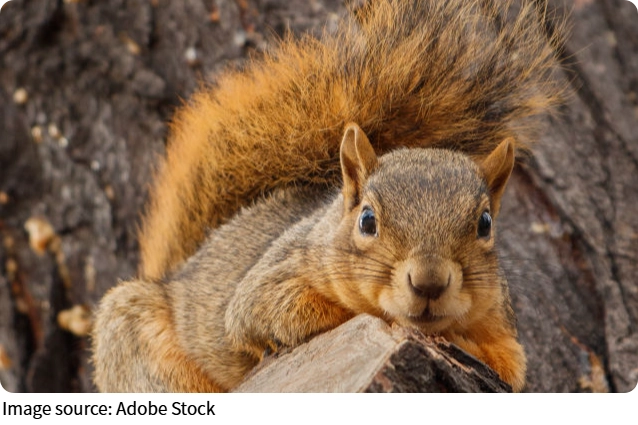
Observing how squirrels navigate the year's seasons reveals a remarkable blend of foresight, physical adaptation, and behavioral flexibility. Their seemingly simple actions — burying nuts, growing winter coats, and adjusting activity levels — are strategic responses honed by evolution.
These adaptations remind us that survival often depends on preparation, resilience, and the ability to respond to changing conditions. Watching a squirrel survive winter's challenges or flourish in summer sunlight offers a quiet but profound lesson on the rhythms of life in the natural world.
Popular
Dogs Mirror You to Bond
Why Do Dogs Copy Everything We Do? Discover the Surprising Reasons Behind Their Funny and Curious Behavior!
Dog Super Senses
Exploring how dogs smell, hear, and experience the world beyond us
Seasons of the Squirrel
How Squirrels Shift Behavior and Coats to Endure Winter and Summer!
Why Flamingos Turn Pink
The surprising science behind one of nature’s most iconic colors.