Fragrant Signals
Fragrant SignalsPosted by Caleb Ryan on 16-03-2026
Funny Facts
You've probably noticed how some gardens seem to buzz more than others.
Step closer to a cluster of flowers, and a wave of sweet aroma hits you—it's no coincidence.
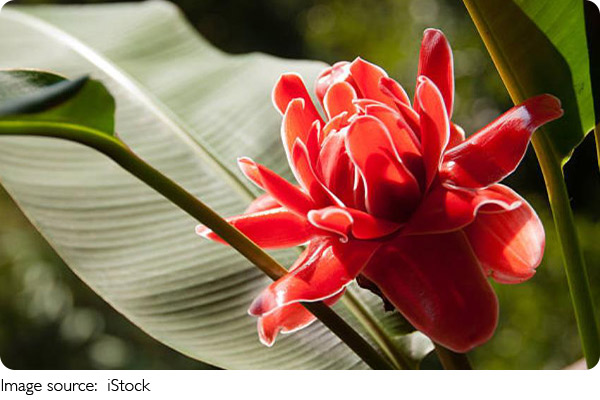
Plants are master scent engineers, using fragrances to send invisible invitations to pollinators. This invisible communication affects which insects visit, how often, and even how efficiently pollen gets transferred. Understanding this can transform the way we plant and care for gardens.
How Flowers Produce Scents
Plants generate scents through specialized glands called nectaries or osmophores, which release volatile organic compounds. These compounds are highly varied, ranging from sweet floral notes to earthy or even spicy tones.
Examples:
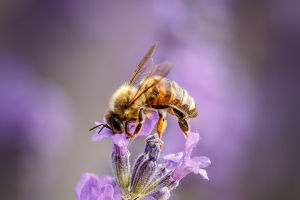
- Lavender releases linalool, attracting bees and hoverflies.
- Night-blooming jasmine emits strong scents at dusk, appealing to moths.
- Basil flowers have mild aromas that draw tiny bees and flies.
Actionable tip: Place fragrant plants like lavender or mint in sunny spots of your garden to ensure their scents disperse effectively. This will naturally invite more pollinators.
The Role of Scent Timing
Not all flowers release fragrance constantly. Many adjust scent intensity to match the activity patterns of their ideal pollinators. Morning bloomers attract bees active at dawn, while evening scents target nocturnal insects.
Examples:
- Evening primrose ramps up its scent after sunset, signaling moths.
- Sunflowers gradually increase fragrance mid-morning, aligning with bee foraging.
- Magnolia flowers release aromas during the early hours, attracting beetles.
Actionable tip: Observe the peak activity times of local pollinators and plant flowers that match these hours. This strategic timing boosts pollination success.
Scent Combinations and Complexity
Some plants mix multiple scent compounds to create a signature aroma. This complexity helps pollinators identify specific flowers and avoid others, reducing wasted visits and increasing pollen transfer efficiency.
Examples:
- Rose scents blend geraniol and citronellol, which bees can detect from several meters away.
- Heliotropes release a vanilla-like scent mixed with subtle floral hints, drawing butterflies.
- Mint family flowers combine menthol-like notes with sweet fragrances to attract small bees.
Actionable tip: Mix several aromatic flowers with complementary scents in a garden bed. This layered fragrance can attract a wider variety of pollinators and enhance biodiversity.
Environmental Factors Affecting Scent
Temperature, humidity, and wind all influence how scent travels. Hot, still days allow scents to linger and travel farther, while wind disperses aroma quickly, sometimes diluting signals. Humidity affects the volatility of scent molecules, altering their intensity.
Examples:
- Lavender scent peaks on warm, calm mornings.
- Sweet pea aroma diminishes on breezy afternoons.
- Evening primrose fragrance intensifies after light rain due to increased humidity.
Actionable tip: Plant aromatic species in sheltered garden corners to reduce wind interference and maximize scent impact on pollinators.
Human Connection: Scent and Garden Design
Understanding pollinator scents isn't just academic—it can shape more productive, lively gardens. Scented flower clusters can increase insect visits, improve fruit set, and enhance visual appeal with fewer chemical interventions.
Examples:
- Grouping bee-friendly scented plants together can double pollinator visits compared to scattered planting.
- Interplanting fragrant herbs like thyme and oregano encourages bees while adding culinary value.
- Using night-scented flowers along paths invites moths and creates an immersive evening garden experience.
Actionable tip: Design your garden with scent zones, pairing strong-smelling flowers near weaker-scented ones to guide pollinators efficiently across the space.
Scent is more than a pleasure for humans—it's a strategic signal for survival in plants. By paying attention to how flowers communicate through fragrance, you can nurture a garden that supports vibrant pollinator populations.
Next time you walk among blossoms, take a moment to notice which scents dominate and when—they're part of a natural conversation that has been evolving for millions of years. Engage with it, and your garden will not just look beautiful, it will buzz with life.
Popular
Pets That Calm Your Mind
Discover how simple moments with pets can melt daily stress.
Wobbly Penguin Secrets
Why Do Penguins Waddle and Bob Their Heads? Discover the Surprising Science Behind Their Adorable Moves!
Freeze to Survive
The surprising creatures that endure winter by freezing their bodies—and what it could mean for humans.
Cats Chase Lights
The hidden reasons behind your cat's zoomies, stares, and laser chases.