Beyond the Pet Bed
Beyond the Pet BedPosted by Pankaj Singh on 16-03-2026

Funny Facts
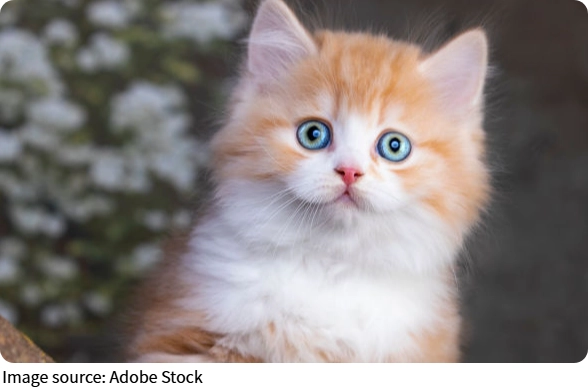
Walk into almost any home and you'll find a pet curled up on the couch, treated like a family member.
Yet in laboratories across the world, other animals live very different lives, used to test medicines, chemicals, or cosmetics.
This contrast raises a bigger question: what does animal welfare really mean, and how should we approach it across such different settings?
The Roots of Animal Welfare
The concept of animal welfare goes beyond merely preventing cruelty; it’s about providing conditions that allow animals to live healthy and stress‑free lives. A widely accepted framework for this is the Five Freedoms, which include freedom from hunger and thirst, freedom from discomfort, freedom from pain and disease, freedom from fear and distress, and freedom to express normal behaviour—principles that apply whether an animal is a companion at home or part of a research setting.
In research, animal welfare has gradually improved. Many countries require ethical review boards to minimize suffering, demand alternatives whenever possible, and enforce proper housing and enrichment for lab animals. While critics argue that no lab setting can ever be truly humane, these safeguards mark a step toward balancing human progress with ethical responsibility.
From Labs to Living Rooms
Pet ownership is often seen as the opposite of animal testing—an expression of love rather than necessity. But owning a pet also carries responsibilities that go beyond food and shelter. A bored dog left alone all day may develop anxiety just as surely as a lab animal in a cage might. A cat without proper veterinary care may suffer silently, even if it looks perfectly fine from the outside.
Pet welfare is about recognizing their needs as living beings, not accessories. That means mental stimulation, medical attention, safe environments, and companionship. In fact, many of the standards developed for research animals—regular health checks, environmental enrichment, and careful monitoring of stress—apply just as much at home.
Three Practical Ways to Raise Standards
1. Invest in alternatives to animal testing. Advances like computer modeling, tissue cultures, and organ-on-a-chip systems can reduce the number of animals needed in labs while still ensuring safety. Supporting companies and institutions that adopt these technologies pushes the trend forward.
2. Educate pet owners. Shelters often report animals surrendered for preventable reasons like behavior problems or untreated illness. Accessible training resources, community vet clinics, and stronger public awareness can cut down on unnecessary suffering.
3. Promote a culture of responsibility. Whether in science or at home, the shift happens when people see animals as sentient beings rather than tools or property. Laws can set the baseline, but lasting change comes from cultural values and everyday choices.

A Shared Ethical Horizon
The connection between a lab mouse and a family dog may not be obvious at first glance. One exists in the name of medical progress, the other for companionship. But both depend entirely on human decisions for their quality of life. If we accept that animals deserve consideration, then the settings where they live—lab, farm, zoo, or home—become variations of the same ethical challenge.
The next time you watch your pet chase a ball or curl up in your lap, it's worth reflecting on how much of their happiness comes from the choices you make. And maybe that thought can extend further—into the labs, the farms, and the policy debates where animal welfare is more than a personal responsibility. It becomes a shared measure of how compassionate our society truly is.
After all, progress in animal welfare isn't just about better cages or softer bedding. It's about shifting how we think: replacing convenience with care, habit with empathy, and seeing welfare not as an optional extra but as a core value of modern life. That shift, once fully embraced, has the power to transform both science and the way we live with the animals who share our world.
Popular
Pets That Calm Your Mind
Discover how simple moments with pets can melt daily stress.
Wobbly Penguin Secrets
Why Do Penguins Waddle and Bob Their Heads? Discover the Surprising Science Behind Their Adorable Moves!
Freeze to Survive
The surprising creatures that endure winter by freezing their bodies—and what it could mean for humans.
Cats Chase Lights
The hidden reasons behind your cat's zoomies, stares, and laser chases.