Indoor vs Outdoor Cats
Indoor vs Outdoor CatsPosted by Naveen Kumar on 16-03-2026
On Trend
When you bring a cat into your home, one of the biggest decisions you’ll face is whether to keep them strictly indoors or allow outdoor access.
This choice doesn’t just affect where a cat spends its time — it shapes how they move, interact, and behave every day. Rather than a simple preference, the lifestyle a cat leads has measurable consequences on activity range, instinct expression, safety, and overall well‑being.
One of the most striking contrasts between indoor and outdoor cats is activity range and movement. Outdoor cats naturally roam over larger areas, climb, explore varied terrain, and use hunting behaviors to stay active. In contrast, indoor cats' activity is confined to the home environment, meaning they must rely on toys, climbing furniture, and play with humans to achieve sufficient physical stimulation.
Because outdoor cats can satisfy their instinctive drive to patrol, jump, and chase, they tend to experience higher overall physical exertion without structured “playtime.” Indoor cats require more deliberate enrichment — such as interactive toys or puzzle feeders — to simulate these behaviors and prevent under stimulation.
Behavioral Patterns and Daily Structure
Cats have evolved as crepuscular predators — naturally most active around dawn and dusk — and this pattern doesn't disappear indoors. However, the expression of these behaviors changes with lifestyle. Outdoor cats can hunt, scent mark, and explore territory in real landscapes. Indoor cats create mental stimulation with toys and human interaction instead, often showing more predictable daily routines influenced by their caretakers' schedules.
Activity differences are reflected in how rhythm and routine develop: indoor cats may have more regular eating and sleeping patterns tied to human activity, while outdoor cats follow environmental cues and unpredictable stimuli that drive their movements throughout the day.
Safety, Risks and Health
Risk exposure varies drastically between indoor and outdoor lifestyles:
Indoor cats live in a controlled environment with limited threat from traffic, predators, or contagious diseases. This control often leads to significantly longer lifespans, since major hazards are minimized.
Outdoor cats encounter unpredictable risks: road accidents, fights with other animals, exposure to parasites, and weather extremes all contribute to health threats that indoor cats avoid.
However, indoor cats aren't risk free. Without careful enrichment, some may become bored, frustrated, or gain excessive weight due to reduced activity — outcomes that responsible guardians must anticipate and prevent through structured play, climbing areas, and varied environmental stimuli.
Social Interaction and Mental Stimulation
Indoor cats often have closer, more frequent interaction with their human caregivers, which can strengthen social bonds. Because they spend more time in a smaller space, they may also rely on their people for comfort and stimulation. Outdoor cats, by contrast, often display greater independence: they interact with their surroundings, other animals, and diverse environments on their own terms, which can enrich their mental landscape but reduce the amount of human directed social time.
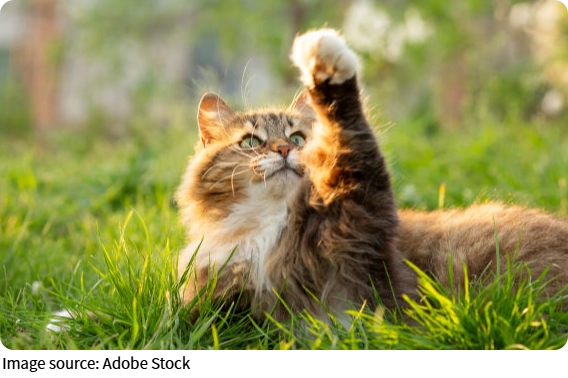
Outdoor access gives cats the chance to engage in instinctual behaviors — such as climbing, marking territory, and chasing — that indoor cats must replicate through toys and play sessions organized by their guardians. Without these, indoor cats may show signs of frustration or restlessness.
Quality of Life Considerations
The choice between indoor and outdoor living isn't strictly “better or worse”; it's a balance between safety and instinct. Indoor life offers security and can lengthen a cat's life, but it requires thoughtful enrichment and interaction to replicate outdoor stimuli. Outdoor life gives cats freedom to express natural behaviors and explore diverse environments, yet comes with heightened risk.
For many guardians, solutions such as supervised outdoor time, leash training, or a secure “catio” enclosure offer a compromise — giving cats fresh air and exploration with added safety.
Final Reflection
At the heart of the indoor vs outdoor debate lies a fundamental question: What does it mean to support a cat's well being? Safety and longevity are clearly enhanced indoors, but instincts and natural behaviors are more freely expressed outside. The ideal approach is not one size fits all; it respects the unique personality of each cat, the environment in which you live, and your ability to provide stimulation, enrichment, and care. Observing, adapting, and enriching a cat's environment can make either lifestyle fulfilling.
Popular
Pets That Calm Your Mind
Discover how simple moments with pets can melt daily stress.
Wobbly Penguin Secrets
Why Do Penguins Waddle and Bob Their Heads? Discover the Surprising Science Behind Their Adorable Moves!
Freeze to Survive
The surprising creatures that endure winter by freezing their bodies—and what it could mean for humans.
Cats Chase Lights
The hidden reasons behind your cat's zoomies, stares, and laser chases.