Lotus Pond Design Tips
Lotus Pond Design TipsPosted by Naveen Kumar on 06-03-2026
On Trend
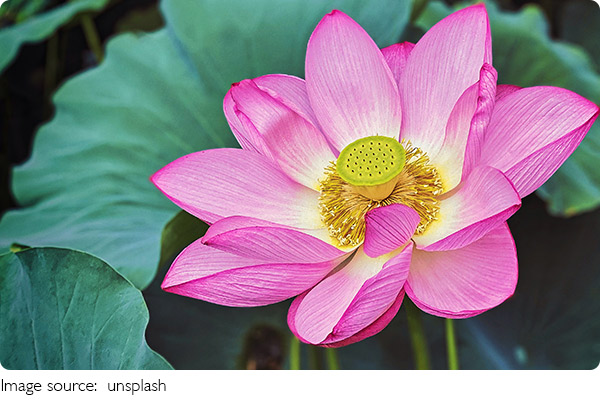
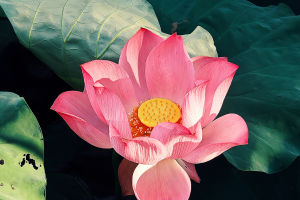
Have you ever paused to watch a lotus bloom floating serenely on still water?
There's a quiet magic in seeing those delicate petals rise above a calm pond, and the good news is that you can bring that same feeling into your own backyard.
Designing a lotus pond isn't just about planting flowers; it's about crafting a space of beauty, reflection, and harmony.
Choosing the Right Location
Sunlight Matters
Lotus thrives in full sunlight. Select a spot that receives at least six hours of direct sunlight each day. This ensures healthy growth, vibrant blooms, and robust leaves.
Accessibility and View
Position the pond where it can be easily viewed and enjoyed. Paths or seating nearby allow you to relax and observe your garden from different angles, enhancing the aesthetic experience.
Size Considerations
Decide on a pond size based on your available space. Even small ponds, around 3–4 feet wide and 12–18 inches deep, can support lotus with proper care. Larger ponds give room for multiple plants and allow natural water movement.
Planting Techniques
Selecting Lotus Varieties
Choose between tuberous lotus for dramatic blooms or dwarf varieties suitable for smaller ponds. Each type has specific growth habits, so match the plant to your pond's depth and size.
Container Planting
Use wide, shallow containers to control root spread. Plant lotus tubers in nutrient-rich aquatic soil, keeping the growing tips slightly above the soil surface to avoid rot.
Submerging and Positioning
Gently place the container in the pond, gradually submerging the water to about 6–12 inches above the soil. Adjust depth as the plant grows, ensuring leaves can float freely on the surface.
Maintenance Essentials
Water Quality
Lotus prefers clean, still water. Remove debris regularly and monitor algae growth. Installing a small, gentle water circulation system can prevent stagnation without disturbing the plants.
Fertilization
Feed your lotus with slow-release aquatic fertilizer once a month during the growing season. Avoid over-fertilizing, which can cause excessive leaf growth at the expense of flowers.
Winter Care
In colder climates, move containers to a frost-free area or allow tubers to sink to the pond bottom if it freezes over. This prevents damage and ensures blooms the following season.
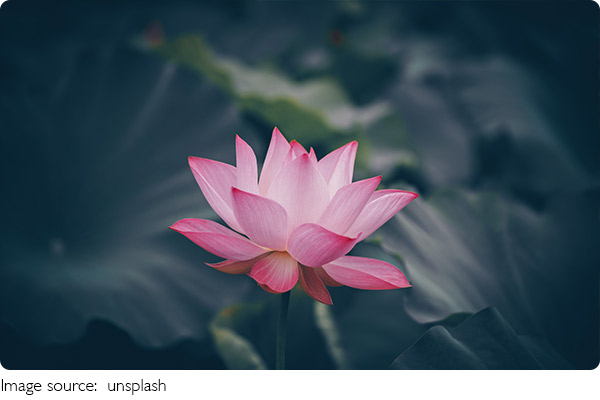
Designing for Aesthetic Impact
Complementary Plants
Add water lilies, marginal plants, or ornamental grasses around the pond edge to create texture and visual depth. Choose colors and heights that complement the lotus blooms.
Rocks and Decorations
Natural stones or driftwood add a sense of authenticity and tranquility. Position them strategically around the pond to create reflection points and enhance the overall composition.
Lighting Effects
Install soft pond lights or floating lanterns to showcase blooms in the evening. Reflections on the water's surface amplify the serene atmosphere.
Enjoying Your Lotus Pond
A well-designed lotus pond isn't just a visual treat; it offers a space for mindfulness, meditation, or casual gatherings. Each morning, noticing the first blooms open or a dragonfly resting on a leaf brings a small, meaningful moment of connection with nature. Over time, your aquatic garden becomes a signature feature of your home, reflecting patience, care, and aesthetic sensibility.
Take the leap and start your lotus pond project this season. With proper planning, attention to sunlight, careful planting, and ongoing maintenance, you'll soon have a private sanctuary that celebrates the elegance and serenity of lotus flowers.
Popular
Inside Green Leaf Cells
How Tiny Leaf Structures Power Photosynthesis and Plant Survival
Sunflower Growing Secrets
Dreaming of Giant Sunflowers? These 9 Practical Growing Tips Can Help You Boost Sunflower Yield Easily!
Lotus Pond Design Tips
Create a serene aquatic garden with lotus blooms and easy maintenance.
Sunflowers
Creative ways to use sunflowers for color, structure, and seasonal interest