The Art of Minimalism
The Art of MinimalismPosted by Chris Isidore on 06-03-2026
On Trend

Opening the door to a living room cluttered with mismatched furniture, scattered decorations, and a jumble of colors often triggers a subtle sense of unease.
The eye struggles to rest, and the mind follows, jumping from one visual stimulus to another. Research on cluttered home environments suggests that disorder can be associated with stress and lower well-being, which helps explain why visually calmer spaces often feel more restorative.
Minimalism in modern interiors offers the opposite experience: a calm, balanced environment where each element has a purpose and every space feels intentional. This design philosophy is not about emptiness but about clarity, order, and visual serenity.
Minimalism emphasizes simplicity in furniture, color palette, and spatial arrangement. The goal is to create spaces that feel open and harmonious, where occupants can move freely and focus on the elements that truly matter. Achieving this requires careful planning, an understanding of balance, and a commitment to intentional design choices.
Furniture Selection and Arrangement
1. Prioritize quality over quantity
Minimalist interiors favor fewer pieces of furniture, each chosen for its function and aesthetic appeal. For example, a single well-crafted sofa paired with a simple coffee table can anchor a living room without overwhelming it. Excessive furnishings often disrupt the flow and make a space feel crowded.
2. Emphasize clean lines
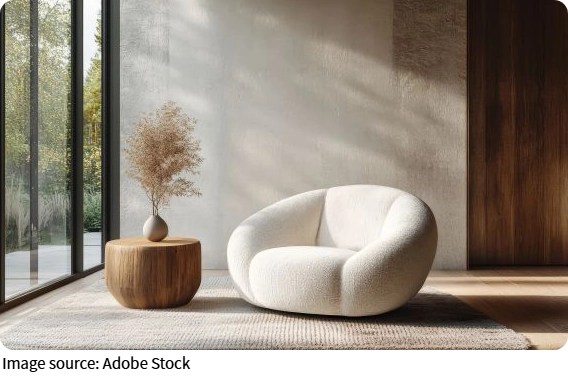
Furniture in minimalist spaces typically features clean, straight lines or gentle curves, avoiding ornate carvings or excessive detailing. This design approach allows the eye to move smoothly across the room, contributing to a sense of order and tranquility.
3. Strategic placement
The arrangement of furniture should enhance movement and openness. Placing items with ample space around them prevents congestion and ensures that the room feels spacious. In practice, this might mean floating a sofa away from walls or creating clearly defined pathways between functional areas.
Color Palette and Visual Cohesion
1. Neutral and monochromatic tones
Minimalist design often relies on neutral colors such as white, gray, beige, and soft pastels. These tones provide a calm backdrop that enhances the perception of space and allows key elements to stand out. Occasional accent colors can be introduced in artwork or textiles to create subtle focal points without cluttering the visual field.
2. Harmonious layering
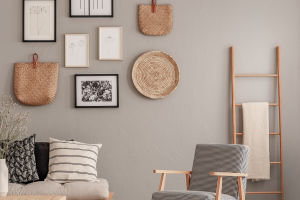
Even within a restrained palette, layering different shades and textures adds depth. For example, pairing a light gray wall with a slightly darker rug and soft, textured cushions creates a sophisticated, cohesive look that avoids visual monotony.
3. Reduce visual clutter
Minimalist spaces generally limit excessive patterns and abrupt visual contrast so that the room feels more cohesive. Keeping walls, furniture, and flooring visually consistent can help maintain a sense of calm and ensure that each element contributes purposefully to the overall design.
Spatial Layout and Flow
1. Open and functional space
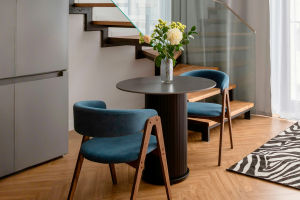
Minimalist interiors prioritize open spaces that allow movement and circulation. Rooms are arranged to provide functional zones without unnecessary barriers. For instance, a dining area adjacent to a living space can remain visually connected while maintaining clear pathways.
2. Natural light and openness
Large windows, minimal window treatments, and reflective surfaces are often used to enhance the sense of openness. Natural light can highlight textures and colors without adding visual heaviness, reinforcing a clean and airy atmosphere. The psychological effects of interior environments vary, but brighter and less chaotic spaces are often experienced as more comfortable and restorative.
3. Thoughtful accessory placement
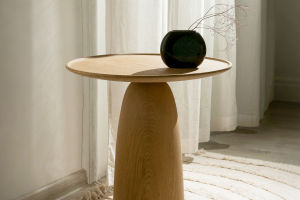
Accessories are used sparingly and with intent. A single piece of sculpture, a framed photograph, or a vase with fresh flowers can serve as a focal point. By limiting the number of decorative items, the eye is drawn to each piece, and the space retains its sense of balance.
Minimalist interior design is as much about what is left out as what is included. By focusing on essential elements and organizing them with intention, rooms can achieve a sense of calm that supports both relaxation and visual clarity. While minimalism is partly a matter of taste, its emphasis on order, restraint, and thoughtful arrangement helps explain its lasting appeal.
Walking through a minimalist space, one notices the quiet order of furniture, the soft harmony of colors, and the freedom to move without obstruction. These interiors remind us that simplicity does not mean emptiness—it is a conscious choice to prioritize space, light, and balance. When practiced thoughtfully, minimalism turns everyday living areas into tranquil sanctuaries that enhance both comfort and clarity of mind.
Popular
Quiet Composition
Practical techniques to create striking and thoughtful still life images
The Art of Minimalism
How Simple Furniture, Color, and Layout Create Calm, Balanced Spaces
Illuminating Modern Homes
Techniques for Natural Light, LED Fixtures, and Creating Inviting Ambiance
Open-Plan Living
Balancing Flow, Functionality, and Privacy in Modern Home Design