Space Upgrade Tips
Space Upgrade TipsPosted by Liam Reilly on 06-03-2026
Useful Tips
Small homes may feel crowded over time as things slowly fill every corner. But we believe smart design and good planning can change everything.
With simple layout ideas and thoughtful choices, we can turn a limited area into a comfortable and open living space. Let us explore practical ways to make our home feel bigger and more organized.
1. Integrate Spaces for a Wider View
We do not need too many walls in a small home. Too many partitions make the space feel tight and narrow. Instead, we can connect the living room, dining area, kitchen, and balcony into one open zone. When these areas flow together, the home looks wider and brighter.
If we prefer not to fully open the kitchen, glass sliding doors are a good choice. They separate the space but still allow light to pass through. This keeps the home functional while maintaining openness.
2. Choose Light Colors for a Bright Effect
Light colors help space feel larger. They reflect light and create a clean visual impression. For walls and main backgrounds, shades like white or soft neutral tones work well.
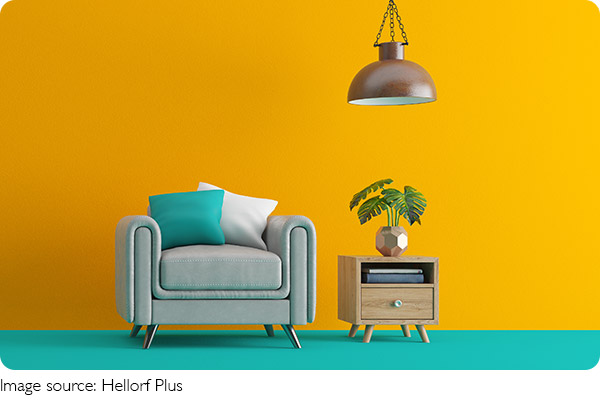
We should avoid using too many strong colors across large surfaces. High saturation tones may look exciting at first, but over time they can feel heavy and tiring. A balanced mix of white, wood tones, gray, or small accent colors creates harmony and warmth.
3. Keep Design Shapes Simple
Complex ceiling shapes and heavy wall decorations are not ideal for small homes. Extra curves and layers can make the room feel lower and smaller. Simple lines and clean surfaces work better.
When we reduce unnecessary decoration, the space becomes calmer and more comfortable. A minimal design style often delivers a stronger visual impact in limited areas.
4. Adjust Furniture Size and Style
Furniture size plays a key role in space planning. In small homes, we should choose compact furniture instead of oversized pieces. Large items may block movement and reduce breathing space.
For example, in a small bedroom, a 1.2 m to 1.5 m bed is often enough for one person. A bigger bed is not always necessary. Choosing furniture with slim legs and light visual weight also helps the room feel airy.
If we host guests sometimes, foldable chairs or light plastic stools can replace heavy dining chairs. They are easy to store and do not occupy permanent space. This flexibility makes daily living smoother.
5. Plan Storage Smartly
Storage becomes more important as time passes. Items gradually increase, so good organization is essential. Vertical storage is one of the best solutions for small homes.
We can use wall space with hooks, pegboards, or wall shelves. The space behind doors can also hold thin cabinets or hanging tools. In the bathroom, mirror cabinets above the sink provide both storage and a clear reflection. This design saves space and improves function at the same time.
6. Leave Proper Empty Space
A home should not feel packed. When we shop for furniture and decorations, we should follow the idea of "less but better". Too many materials and colors create visual noise.
Leaving empty areas gives the eyes room to relax. Space between furniture pieces also improves movement flow. This balance between function and space makes the home feel comfortable and organized.
7. Add Mirrors to Expand Visual Depth
Mirrors reflect light and surroundings, which makes rooms appear bigger and brighter. They do not take up floor space but add strong visual impact.
We can place mirrors in the entrance area or replace cabinet doors with mirrored panels. A full-length mirror near the door is practical and decorative. Proper mirror placement creates depth and enhances openness.
8. Keep Storage Items in the Same Style
Consistency creates harmony. When storage boxes, baskets, and organizers follow the same style, the room looks cleaner and more unified.
We should choose tools that match the overall interior design. Unified materials and colors improve the quality of the space. At the same time, regular cleaning and organizing are important habits. When new items come in, some old items should go out. This balance keeps our home fresh and spacious over time.
Final Thoughts for Our Cozy Home
Small homes can feel big when we design them wisely. By integrating space, choosing light colors, simplifying design, selecting proper furniture, and planning storage carefully, we can create a comfortable environment.
Let us remember that good organization and regular decluttering make a big difference.
10 WAYS TO MAKE YOUR SMALL SPACE LOOK BIGGER | INTERIOR DESIGN HACKS
Video by Kristen McGowan
Popular
Quiet Composition
Practical techniques to create striking and thoughtful still life images
The Art of Minimalism
How Simple Furniture, Color, and Layout Create Calm, Balanced Spaces
Illuminating Modern Homes
Techniques for Natural Light, LED Fixtures, and Creating Inviting Ambiance
Open-Plan Living
Balancing Flow, Functionality, and Privacy in Modern Home Design