Illuminating Modern Homes
Illuminating Modern HomesPosted by Ravish Kumar on 06-03-2026
On Trend
Stepping into a dimly lit room often leaves a first impression that feels flat or unwelcoming.
The same space, with carefully considered lighting, can immediately feel warm, expansive, and inviting.
Lighting is not just a functional necessity in modern homes—it is a tool that shapes mood, highlights design elements, and enhances everyday living.
Modern interior lighting combines natural light, artificial fixtures, and ambiance strategies to create layered, dynamic spaces. Thoughtful lighting can make a compact apartment feel open, a large living area feel intimate, or a workspace more energizing. Achieving this balance requires planning, creativity, and a clear understanding of how light interacts with space.
Maximizing Natural Light
1. Window placement and treatment
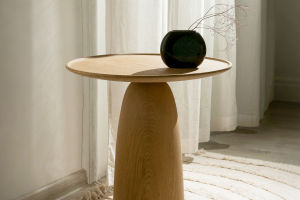
The most effective source of interior lighting is sunlight. Positioning furniture to take advantage of natural light can enhance both comfort and energy efficiency. Sheer curtains or adjustable blinds allow sunlight to filter in while minimizing glare. In living rooms, placing seating near windows creates naturally lit reading or relaxation areas.
2. Reflective surfaces
Walls, floors, and furnishings with light colors or reflective surfaces help distribute daylight throughout a room. Mirrors, glossy finishes, and light-toned furniture can amplify sunlight, reducing the need for artificial lighting during daytime hours.
3. Seasonal considerations
Sunlight shifts with the seasons, affecting both intensity and direction. Designers often consider how daylight enters a room in winter versus summer to optimize comfort and prevent overheating or excessive glare.
LED Fixtures and Functional Lighting
1. Energy-efficient illumination
LED lighting has become a staple in modern interiors due to its efficiency, longevity, and versatility. From overhead ceiling lights to under-cabinet task lighting, LEDs provide reliable illumination while minimizing electricity consumption. Modern LED systems often allow color temperature adjustments, ranging from warm to cool tones depending on the function of the space.
2. Layered lighting design
Functional lighting is often strongest when it is layered: ambient light for general illumination, task light for specific activities, and accent light to highlight selected features. For example, a kitchen might use ceiling lighting for general brightness, pendant lights over a countertop for task lighting, and focused lights to draw attention to a backsplash or shelving. This layered approach improves both function and visual depth. fixtures may be a more flexible wording here, since many homes use different ceiling-light types.
3. Adjustable and smart solutions
Many contemporary homes incorporate dimmers or smart lighting systems, allowing homeowners to adjust brightness and color. This flexibility enables spaces to transition seamlessly from work to relaxation while maintaining optimal energy use and visual comfort.
Creating Ambiance Through Light
1. Highlight architectural features
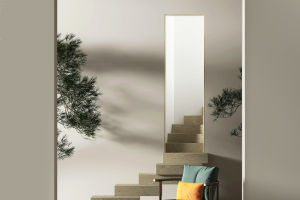
Strategic accent lighting can emphasize textures, shapes, and design details. Cove lighting along ceilings, wall-mounted uplights, and focused spotlights draw attention to key architectural elements without overwhelming the space.
2. Mood and color temperature
Warm tones are commonly associated with cozy, intimate spaces, while cooler tones are often used in kitchens or work areas where a brighter, more alert atmosphere is preferred. Mixing warmer and cooler lighting in different zones can help define areas within open-plan layouts and create a more layered experience. This is a common design practice, though personal preference still matters.
3. Integrating decorative fixtures
Lighting fixtures themselves can become part of the decor. Sculptural chandeliers, sleek floor lamps, or minimalistic pendant lights add visual interest while providing illumination. Choosing designs that complement furniture and wall finishes ensures that lighting enhances rather than competes with the interior aesthetic.
Lighting is more than a necessity—it is a medium that shapes perception, functionality, and atmosphere in modern homes. By combining natural light, energy-efficient LEDs, and thoughtful ambiance strategies, designers can create interiors that feel inviting, versatile, and visually harmonious.
When entering a home bathed in well-designed light, one experiences a subtle yet profound sense of comfort. Each space, whether living room, kitchen, or bedroom, is transformed not just by furniture or color but by the way light defines it. Thoughtful lighting design invites homeowners and guests alike to linger, observe, and enjoy the environment in its most welcoming form.
Popular
Quiet Composition
Practical techniques to create striking and thoughtful still life images
The Art of Minimalism
How Simple Furniture, Color, and Layout Create Calm, Balanced Spaces
Illuminating Modern Homes
Techniques for Natural Light, LED Fixtures, and Creating Inviting Ambiance
Open-Plan Living
Balancing Flow, Functionality, and Privacy in Modern Home Design