Slow Strength Training
Slow Strength TrainingPosted by Nolan O'Connor on 16-11-2026

Odd News
Strength training is often associated with lifting heavier weights or completing as many repetitions as possible. However, the speed of each movement can also influence how muscles respond to exercise. Fitness specialists are highlighting the benefits of slowing down the lowering phase of familiar movements, such as squats, push-ups and biceps curls.
A report published by CNN on November 9, 2026, explains how taking approximately three seconds to lower a weight or the body can increase the challenge of resistance training.
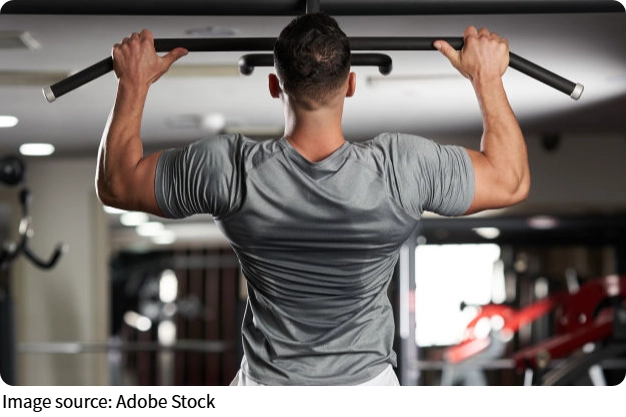
Understanding the Two Phases of Muscle Movement
Most conventional strength exercises involve two main types of muscle action: concentric and eccentric contractions. A concentric contraction occurs when a muscle shortens while producing force. During a biceps curl, for example, the biceps shortens as the dumbbell moves toward the shoulder.
An eccentric contraction happens when a muscle produces force while lengthening. During the lowering portion of the same curl, the biceps remains active to control the dumbbell as the elbow straightens. Although both phases contribute to strength development, the lowering movement is frequently completed too quickly.
Why Slowing Down Can Improve Strength
Controlling the lowering phase makes muscles work against resistance for a longer period. This can increase the difficulty of an exercise even when the weight remains unchanged. A systematic review published in Sports Medicine examined how movement speed influences strength and muscle development.
Slower repetitions can also help improve movement awareness. Instead of relying on momentum, participants have more time to notice whether the body remains properly aligned and whether the exercise is being performed through a comfortable range of motion. For example, a controlled squat descent encourages coordination between the hips, knees and ankles.
Three Exercises That Benefit From Controlled Lowering
Several familiar exercises can be adapted to emphasize eccentric muscle activity.
1. Squats
Begin with the feet approximately hip-width apart. Lower the hips gradually over a three-second count, keeping the feet firmly planted and the knees aligned with the toes. Return to standing at a comfortable pace. A sturdy chair can provide a useful target for beginners who need a smaller range of motion. Once control improves, light dumbbells can gradually increase resistance.
2. Push-ups
Start in a plank position with the hands placed slightly wider than shoulder width. Bend the elbows and lower the chest gradually over three seconds, keeping the hips and torso aligned. Press upward at a controlled but comfortable speed. Incline push-ups against a stable counter provide an easier alternative. This adjustment reduces the amount of body weight being supported.
3. Biceps curls
Hold a suitable dumbbell in each hand with the palms facing forward. Bend the elbows to raise the weights, keeping the upper arms close to the torso. Lower the dumbbells over three seconds without swinging the body. Beginners can start with lighter resistance or practise one arm at a time to concentrate on technique.
Expert Insight
Professor Kazunori Nosaka, an exercise science researcher known for his work on eccentric training, has highlighted the wider value of this approach. Speaking to The Guardian about the benefits of eccentric exercise, he stated: “Eccentric exercise training provides numerous benefits for physical fitness and overall health, making it suitable for a wide range of individuals.”
When Faster Movements Are More Appropriate
Slower repetitions are not necessarily the best choice for every fitness objective. Training for power requires the ability to produce force quickly, making faster lifting movements useful when performed with suitable resistance and proper technique. Exercises such as jumps and medicine-ball throws are designed to develop rapid force production. The American College of Sports Medicine also recognizes the importance of faster movement phases when the goal is power development.
How to Introduce the Technique Safely
For people unfamiliar with eccentric training, gradual progression is important. CNN suggests beginning with two sets of four to eight repetitions, performed two or three times weekly. Muscles may feel sore after unfamiliar lowering exercises, so sufficient recovery between sessions is necessary. Breathing should remain steady throughout each repetition, without holding the breath during the three-second count.

Slowing the lowering phase of strength exercises can increase muscular effort, improve movement awareness and provide a useful way to make familiar routines more challenging. Combining suitable techniques, appropriate resistance and adequate recovery can create a more balanced approach to long-term physical fitness.
Popular
Tech-Related Body Strain
Spending long hours on screens? Small posture changes may help reduce everyday neck and wrist strain!
Steps for Brain Health
Can walking more support brain health? Daily steps may help protect memory as the brain ages!
Whole Fruit Benefits!
Is whole fruit better than juice? New research highlights their different effects on heart health!
Europe's Payment Shift
How will Europe reshape digital payments? New systems aim to make everyday transactions easier!